You do not need a fully stocked shop or a lift to take better care of your car. A lot of the small things that keep a vehicle reliable can be done in your driveway with basic tools and a few minutes of attention. These simple checks will not replace professional service, but they make a big difference between surprise breakdowns and a car that feels dependable every day.
1. Check Tire Pressures Once a Month
Tire pressure is one of the easiest things to ignore and one of the biggest factors in how your car drives. Underinflated tires run hotter, wear on the edges, and hurt fuel economy. Overinflated tires feel harsh and wear out the center of the tread. A five-minute pressure check can prevent all of that.
A simple routine looks like this:
- Buy a decent handheld tire pressure gauge and keep it in the glove box
- Check pressures in the morning when the tires are cool
- Use the numbers on the driver door sticker, not the max pressure on the sidewall
- Do not forget to check the spare so it is ready when you need it
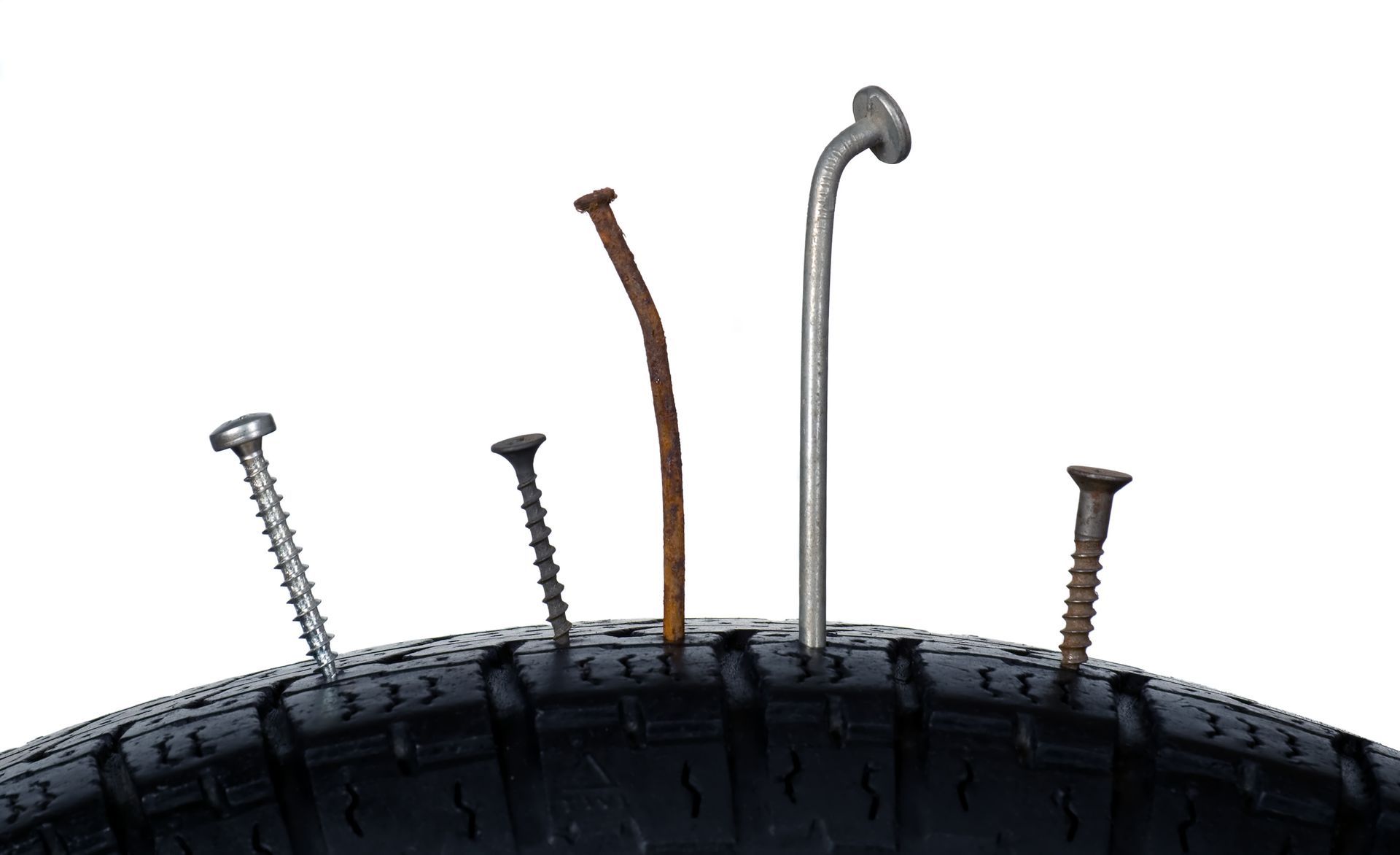
If you notice one tire dropping faster than the others, that is your cue to have it inspected for a nail, bead leak, or valve issue before it leaves you stranded.
2. Inspect Fluid Levels Under the Hood
You do not have to be a mechanic to keep an eye on fluids. Most modern cars have clear reservoirs with “min” and “max” lines. Once you know where they are, a quick look each month helps you catch slow leaks before they become breakdowns.
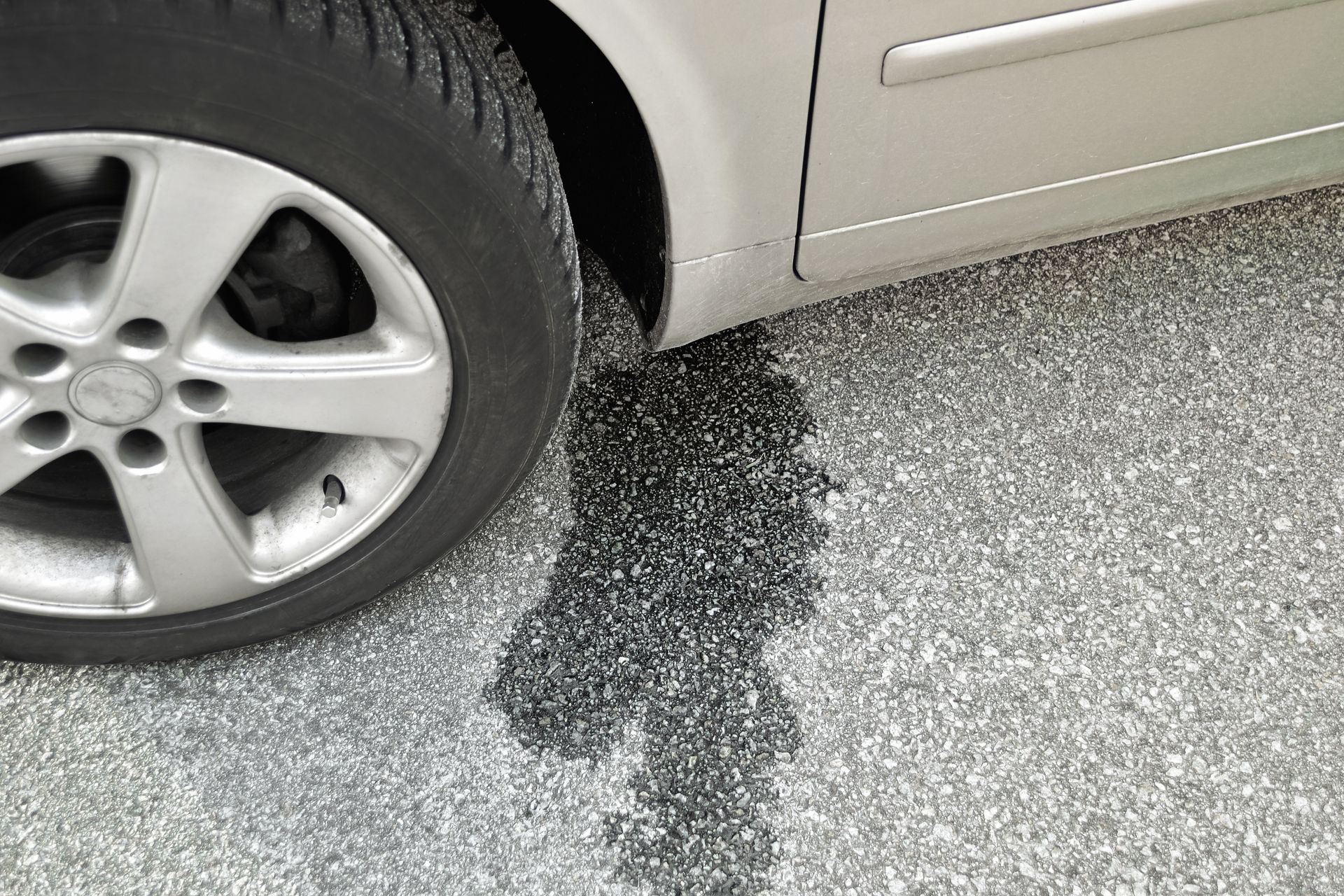
Start with engine oil, coolant, brake fluid, windshield washer fluid, and power steering fluid if your car still uses a hydraulic system. Check the owner’s manual or under-hood labels, so you know which cap is which. If a level keeps dropping between checks, or if any fluid looks very dark, gritty, or rusty, that is worth mentioning at your next service visit.
3. Swap Out Wiper Blades When They Start Streaking
Good visibility is easy to take for granted until the first real rainstorm of the season. Wiper blades dry out, crack, and lose their edge long before they actually fall apart. If the windshield streaks, chatters, or leaves unwiped bands right in your line of sight, the blades are ready to be replaced.
Most blades simply clip onto the wiper arm. You can match the old blades at the parts store or use a fitment guide to pick the correct length. Clean the glass with proper glass cleaner before installing new blades, so you are not dragging old road film across fresh rubber. That small bit of effort makes night and highway driving far less stressful.
4. Keep Your Battery Posts Clean and Tight
A weak or dirty battery connection can make a healthy battery act like a dead one. Corrosion on the posts shows up as white, green, or blue crust around the terminals. Left alone, it increases resistance and can cause slow cranking, dim lights, or random electrical glitches.
With the engine off, you can gently clean light corrosion using a battery brush or a mixture of baking soda and water on an old toothbrush, then rinse carefully and dry. Make sure the clamps are snug, not loose enough to twist by hand. If the corrosion is heavy or the cables look swollen or cracked, that is a good time to have a shop look things over more closely.
5. Change the Cabin Air Filter for Cleaner Air
Many drivers do not realize there is a filter for the air that comes through the vents. The cabin air filter traps dust, pollen, and debris. Over time, it can accumulate and start to restrict airflow, making the blower fan work harder and leaving the inside of the car smelling stale.
Most cabin filters live behind the glovebox or under the cowl at the base of the windshield. They usually slide out of a small door once a few clips or screws are removed. If the filter looks gray, packed with leaves, or has visible mold spots, replacing it is a quick win. You will often notice better airflow and a fresher smell almost immediately.
6. Keep an Eye on Your Engine Air Filter
The engine air filter does for your engine what the cabin filter does for you. It keeps dirt and debris out of the intake so the cylinders only see clean air. A very dirty filter can reduce power, hurt fuel economy, and contribute to rough running.
You can usually pop the airbox clips or screws and lift the filter out for a look. Hold it up to a light. If you can barely see light through it, or if the pleats are packed with dirt and bugs, it is time for a new one. Replacing it on time is much cheaper than dealing with a mass airflow sensor that has been clogged for years.
7. Do a Simple Visual Brake and Suspension Check
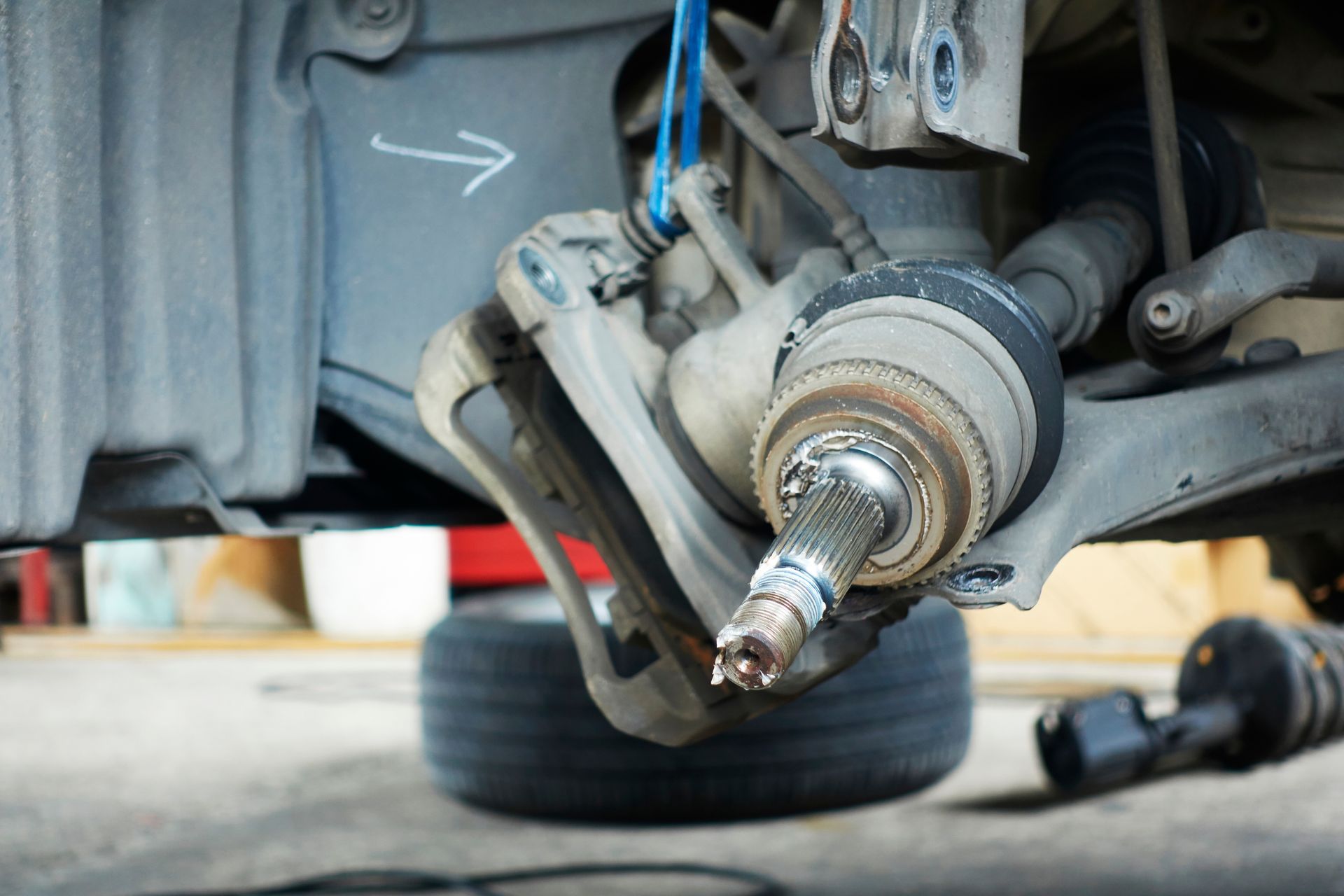
You do not need to touch the brakes to notice some early warning signs. When the wheels are turned slightly, you can often see the outer edge of the brake rotor and a bit of the pad. Deep grooves, heavy rust flakes, or very thin pads are all reasons to have the brakes inspected by a professional.
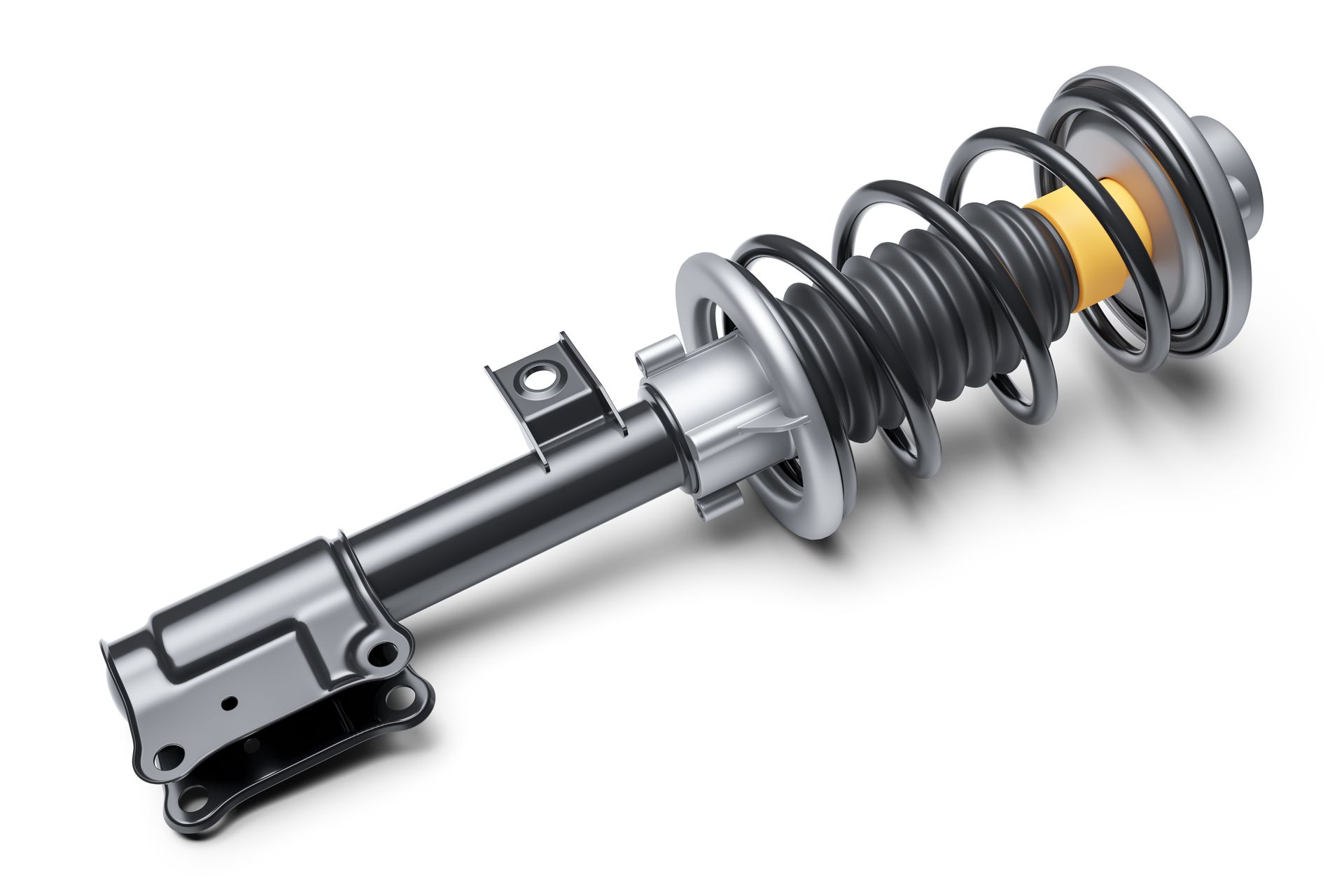
While you are there, glance at the tires for uneven wear and look for wet spots or torn rubber around visible suspension parts. Listen for new clunks, rattles, or grinding when you drive over small bumps. These simple observations give a mechanic a head start and can save you from finding problems only after they have damaged other parts.
Get DIY-Friendly Car Care Support in Fort Lauderdale, FL with Layton's Garage
We like seeing drivers take on simple DIY checks, and we are happy to step in when a task goes past what you want to do at home. We can inspect anything you are unsure about, handle the bigger repairs, and help you build a maintenance plan that fits how you drive.
Call
Layton's Garage in Fort Lauderdale, FL to schedule service and keep your at-home efforts working alongside professional care.