A rough idle at stoplights is one of the most annoying problems because it makes the car feel unhealthy, even if it drives fine once you’re moving. You’re sitting there with your foot on the brake, and the engine starts shaking, the RPM dips, or it feels like it might stall. Then the light turns green, you pull away, and it smooths out as if nothing happened.
That on-and-off behavior is a clue, and it usually points to airflow, fueling, ignition, or engine load control at idle.
Why Idle Problems Show Up Most At Stoplights
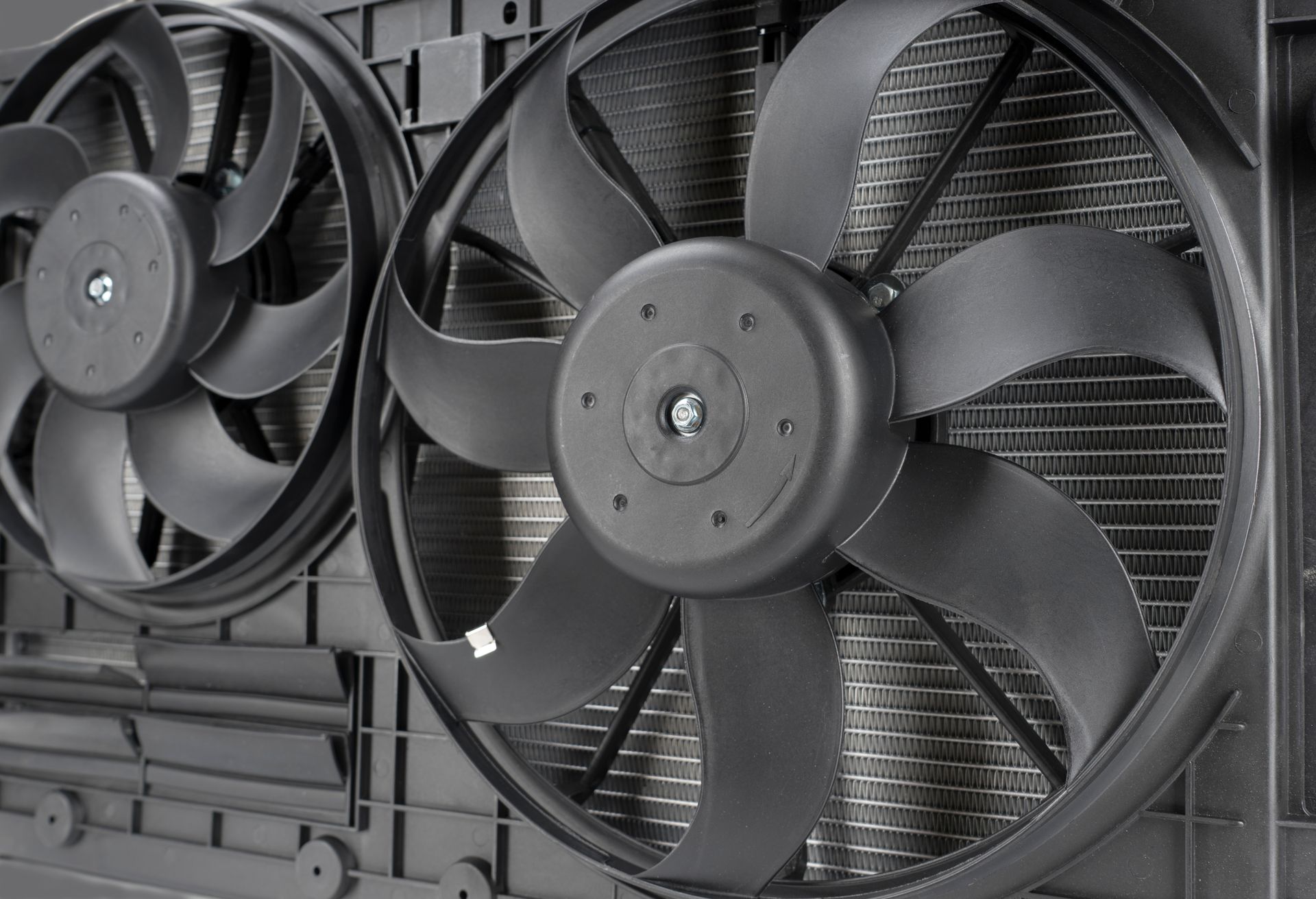
Idle is a balancing act. The engine is running at low speed, the load is changing, and the computer is constantly adjusting to keep the RPM steady. At a stoplight, you might have the AC running, the alternator charging, the cooling fan cycling, and the power steering system ready to assist. All of that adds load, and a healthy engine can handle it. An engine with a small weakness often shows it right there.
Heat can play a role too. Underhood temperatures rise while you sit still, and that can make a marginal coil, a weak sensor, or a small vacuum leak show up more strongly than they do while driving.
A Symptom Timeline From Occasional Shake To Constant Roughness
Early on, it may happen only once in a while. You’ll feel a brief stumble when you come to a stop, then it settles. Over time, it can become more consistent. The RPM may hunt up and down, the engine may feel rough every time you stop, and you may start noticing it in Drive with your foot on the brake, but not in Park.
If it progresses further, you can end up with stalling, especially with the AC on, or a check engine light related to misfires or airflow. We’ve seen a lot of cases where addressing it early kept it to a simple fix instead of a chain of new problems.
Airflow Control Problems That Make Idle Unstable
Airflow is one of the most common causes, especially on modern engines that rely on a clean throttle body and accurate air measurement. A dirty throttle body can make it harder to control airflow at idle, so the engine hunts or dips. If the idle air control function is restricted or sticky, the engine can struggle when the load changes, like when the AC compressor kicks on.
Vacuum leaks are another big one. A small leak can be barely noticeable at speed but very noticeable at idle because the engine is pulling high vacuum, and every little air leak matters more. Cracked hoses, hardened gaskets, and loose intake connections can all cause that lean, shaky idle feel.
Ignition Weakness That Shows Up When The Engine Is Hot
Spark plugs and coils can cause a rough idle even if the car accelerates fine. At idle, combustion is less forgiving, and a weak spark can show up as a subtle misfire you feel as a shake. If the rough idle is worse after the engine is fully warmed up or worse with the AC on, ignition components move up the list.
We also see oil leaks into spark plug wells on some engines, which can cause boots to deteriorate and create misfire behavior. That’s why a quick inspection around the ignition system often reveals issues you wouldn’t catch from a quick scan alone.
Fueling Issues That Make The Engine Feel Uneven
Fuel delivery problems can also show up most at idle. A restricted injector can lean out one cylinder slightly, which feels like a small shake. A fuel pressure issue can make the engine feel weak at idle, especially if the pressure drops more than it should when loads change. In some cases, the engine runs fine on the highway because demand is higher and things even out, but idle remains rough because precision matters more at low RPM.
If you’ve noticed a fuel smell, worse mileage, or hesitation when leaving a stop, that combination can point more toward a fueling problem than airflow alone.
Owner Mistakes That Keep A Rough Idle Going
One mistake is ignoring it because it doesn't happen all the time. Intermittent problems are still real problems, they’re just easier to dismiss. Another mistake is replacing one part because a friend suggested it, then replacing another when it doesn’t fix it. Rough idle can have multiple causes, and guessing can get expensive fast.
We also see people try to mask it by adjusting idle behavior, like shifting to Neutral at long lights or revving the engine slightly. That might make it feel better in the moment, but it doesn’t solve what’s causing the instability.
A Practical Mini-Guide For What To Note Before Service
If you want to help speed up the fix, pay attention to a few details. Does it happen only with the AC on, or even with the AC off? Is it worse after a long drive, or worse right after startup? Does it happen in Drive with the brake held, or also in Park? Those are the clues that point the inspection in the right direction.
Even small notes help. They often cut the time it takes to isolate whether the issue is airflow, ignition, fuel, or a load management problem.
Get Rough Idle Repair in Fort Lauderdale, FL with Layton's Garage
If your car is idling roughly at stoplights, we can inspect the common causes, check for air leaks, verify airflow control, and confirm whether ignition or fueling issues are contributing. We’ll explain what we find and recommend a fix that matches the real cause, not a guess.
Call
Layton's Garage in Fort Lauderdale, FL, to schedule service and get back to a smooth, steady idle you don’t have to think about.