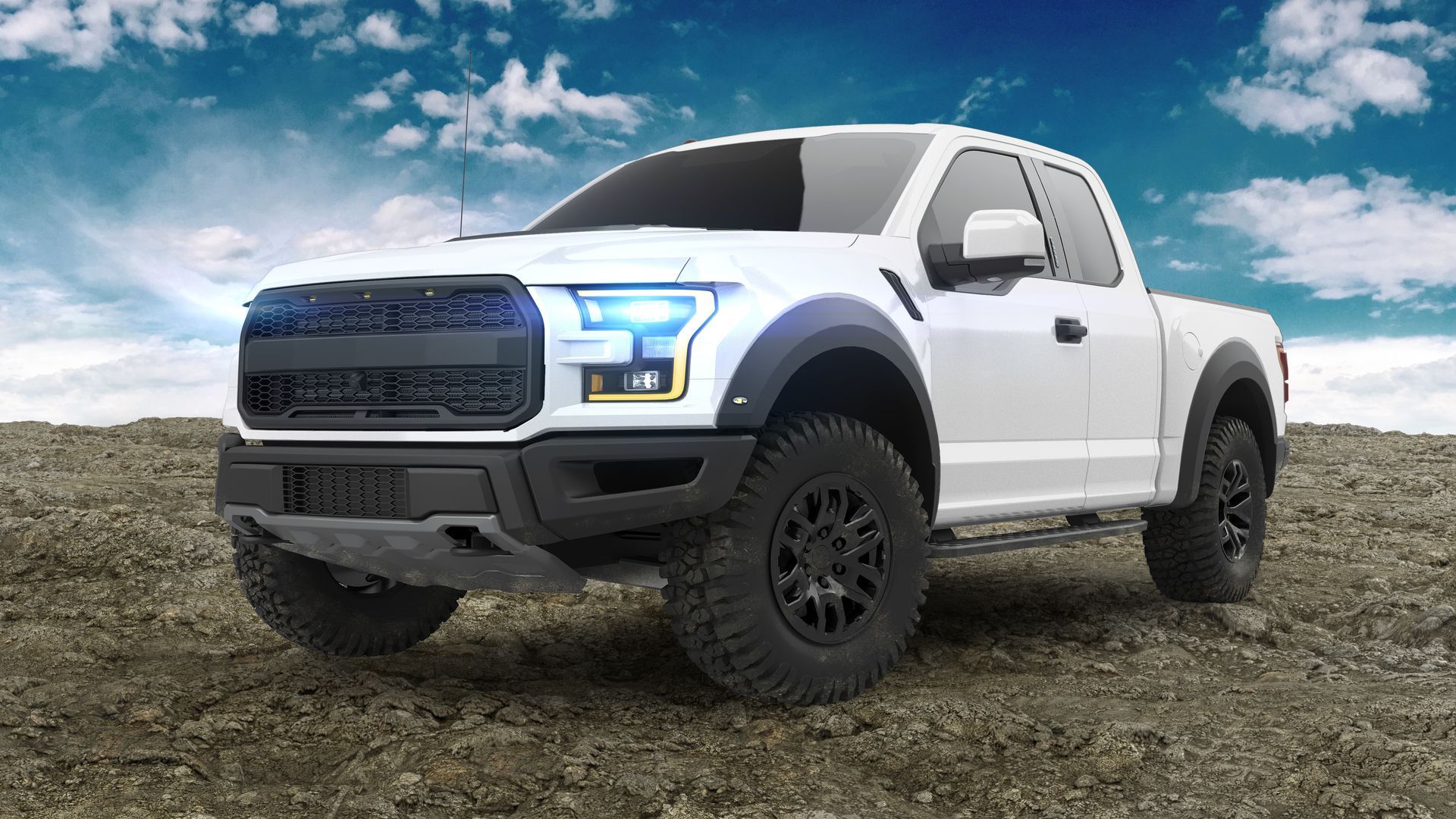
A Jeep Wrangler’s solid axles and flexible suspension make it highly capable off-road. Still, the factory setup must balance trail performance with ride comfort, fuel economy, handling, and production cost. Carefully selected suspension upgrades can increase ground clearance, improve wheel travel, create space for larger tires, and give the driver more control over rough terrain.
The strongest setup is built around how the Wrangler will actually be used. A vehicle prepared for mild trails needs a different combination of parts than one intended for rock crawling, deep mud, or heavily loaded overland travel. Lift height alone does not determine capability. Suspension geometry, shock travel, tire clearance, steering angles, and driveline position all need to work together.
1. A Complete Suspension Lift Kit
A suspension lift raises the Wrangler by increasing the distance between the axles and the frame. Most kits use taller coil springs, though some include spring spacers or a combination of both. The added height creates room for larger tires and improves ground clearance beneath the body, bumpers, and rocker panels.
A complete kit should provide more than taller springs. Depending on lift height, it may include shocks, bump stop extensions, sway bar links, brake hose brackets, track bar correction, control arms, and alignment-related components. Installing springs without supporting parts can leave the suspension with reduced travel, incorrect axle position, or poor steering response.
The best lift height depends on tire size, trail difficulty, vehicle weight, and daily driving needs. Excessive height raises the center of gravity and increases strain on steering, driveline, and suspension parts. A moderate, well-engineered lift often performs better than a taller kit built around appearance alone.
2. Off-Road Shocks Matched To The Lift
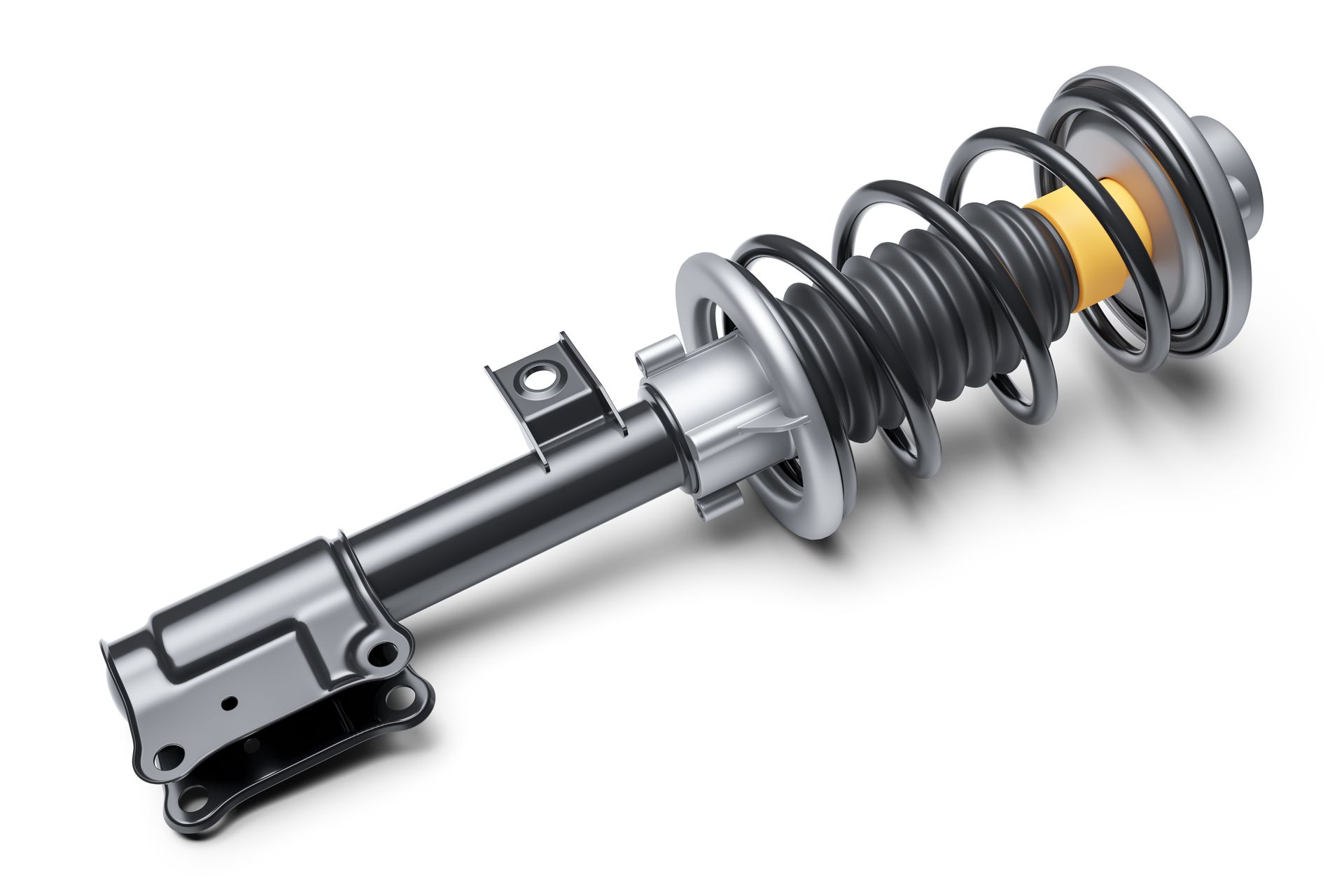
Shocks control how quickly the suspension compresses and extends. Factory shocks are designed for original spring height, vehicle weight, and suspension travel. Once lift springs are installed, shocks must have the correct extended and compressed lengths.
A shock that is too short can limit downward wheel travel and may be damaged when the axle drops. A shock that is too long can bottom internally before the bump stops contact, placing heavy force on its mounts and internal components.
Off-road shocks may use larger bodies, greater fluid capacity, remote reservoirs, or adjustable damping. These features help control heat and suspension movement during repeated impacts. The correct choice depends on vehicle weight, driving speed, terrain, and whether the Wrangler still spends substantial time on paved roads.
Adjustable shocks allow the driver to change damping for different conditions, but they still need proper dimensions and mounting clearance. A high-priced shock cannot correct incorrect spring rates, damaged bushings, or poor suspension geometry.
3. Adjustable Control Arms
Control arms connect the axles to the frame and control their forward and rearward position. Lifting a Wrangler changes the angles of these arms. As those angles become steeper, axle position, caster, pinion angle, and ride quality can move away from the intended range.
Adjustable control arms allow technicians to reposition the axles and correct important geometry after a lift. Front caster affects steering return, straight-line stability, and steering effort. Rear pinion angle affects driveshaft alignment and can contribute to vibration when it is incorrect.
Quality control arms may also use stronger tubing and serviceable joints suited to greater articulation. Joint selection is important. Some designs provide excellent movement on technical trails but transmit more noise and vibration during daily driving. Others use rubber or flexible joints that provide better isolation.
Control arm length should be set through measurements and alignment data rather than visual judgment. Both axle position and driveline angles need to be checked before the final settings are established.
4. Adjustable Track Bars And Steering Correction
The front and rear track bars locate the axles from side to side. When the Wrangler is lifted, the factory track bars swing through an arc and can pull the axles away from the center of the vehicle. One axle may sit farther toward the driver’s side while the other shifts in the opposite direction.
Adjustable track bars allow each axle to be centered beneath the body. Some lift heights may also benefit from track bar brackets, drag link correction, or other steering geometry changes. The track bar and drag link should operate through compatible angles to reduce bump steer, which is unwanted steering movement as the suspension travels.
Loose track bar bolts, worn bushings, damaged steering joints, or incorrect bracket installation can create wandering, clunking, and severe steering instability. Fasteners must be tightened to the proper specification with the vehicle positioned as required by the manufacturer.
An alignment and complete steering inspection are essential after these upgrades. Toe, caster, steering wheel position, axle centering, and joint condition all affect how the Wrangler responds on the road and trail.
5. Sway Bar Disconnects And Articulation Upgrades
The sway bar connects the left and right sides of the suspension to reduce body lean during cornering. That control is valuable on pavement, but it can limit independent wheel movement on uneven trails.
Manual or electronic sway bar disconnects allow greater front axle articulation at low speed. With the sway bar disconnected, one wheel can rise over an obstacle while the opposite wheel drops farther, helping the tires remain in contact with the terrain.
Disconnects must provide adequate clearance from tires, springs, brake hoses, and steering components throughout the suspension’s full range. The sway bar should be reconnected before normal road driving because body movement and emergency handling change significantly when it is disconnected.
Other articulation-related upgrades may include longer brake hoses, correctly positioned bump stops, high-clearance fenders, and driveshafts designed for increased operating angles. Every part must be checked at full compression and full droop so hoses, wiring, shocks, and joints are not stretched or crushed.
Build The Suspension As One System
A capable Wrangler suspension is a coordinated system rather than a collection of unrelated parts. Tire size affects gearing, braking, steering effort, axle load, and clearance. Lift height changes control arm, track bar, driveshaft, and steering angles. Added bumpers, winches, skid plates, and cargo change the spring rate the vehicle needs.
After installation, regular maintenance should include checking joint wear, shock leakage, fastener torque, tire wear, and driveshaft condition. A professional inspection can also confirm that brake hoses, wiring, bump stops, and steering parts remain safe through the full suspension range.
Get Jeep Wrangler Suspension Upgrades In Fort Lauderdale, FL, With Layton's Garage
Layton's Garage in Fort Lauderdale, FL, offers suspension and lift kit upgrades for Jeep Wrangler models. Our team can help select and install springs, shocks, control arms, track bars, sway bar components, and supporting parts that fit your off-road goals.
Contact us to schedule a Wrangler suspension evaluation and upgrade consultation.