Your F-150 still does the job, but the service list can change as it adds miles. Oil changes remain part of gasoline engine care, while other scheduled work comes due and worn components need attention. The truck's use also matters, especially if towing or idling is part of a normal week.
Start with the year, engine, transmission, and drivetrain. Those details determine which schedule applies. Then consider the truck's service history and current condition. That approach gives you a useful maintenance plan without assuming every F-150 needs the same work at the same mileage.
F-150 Engine Oil Service Still Depends On Use
Follow the oil requirements and service guidance for your specific engine, including the oil life monitor where equipped. Towing, frequent idling, dusty work, and repeated short trips can change the oil's demands. A truck with modest mileage can still need attention because time and operating conditions also affect service needs.
Higher mileage makes oil level trends worth recording between changes. Check increasing top-offs, leaks, or unusual engine noise instead of covering them up with an arbitrarily thicker oil. Turbocharged EcoBoost engines, other gasoline engines, and older diesel versions have different requirements. The electric F-150 Lightning has a separate maintenance plan without engine oil service.
F-150 Cooling System Parts Age Along With The Truck
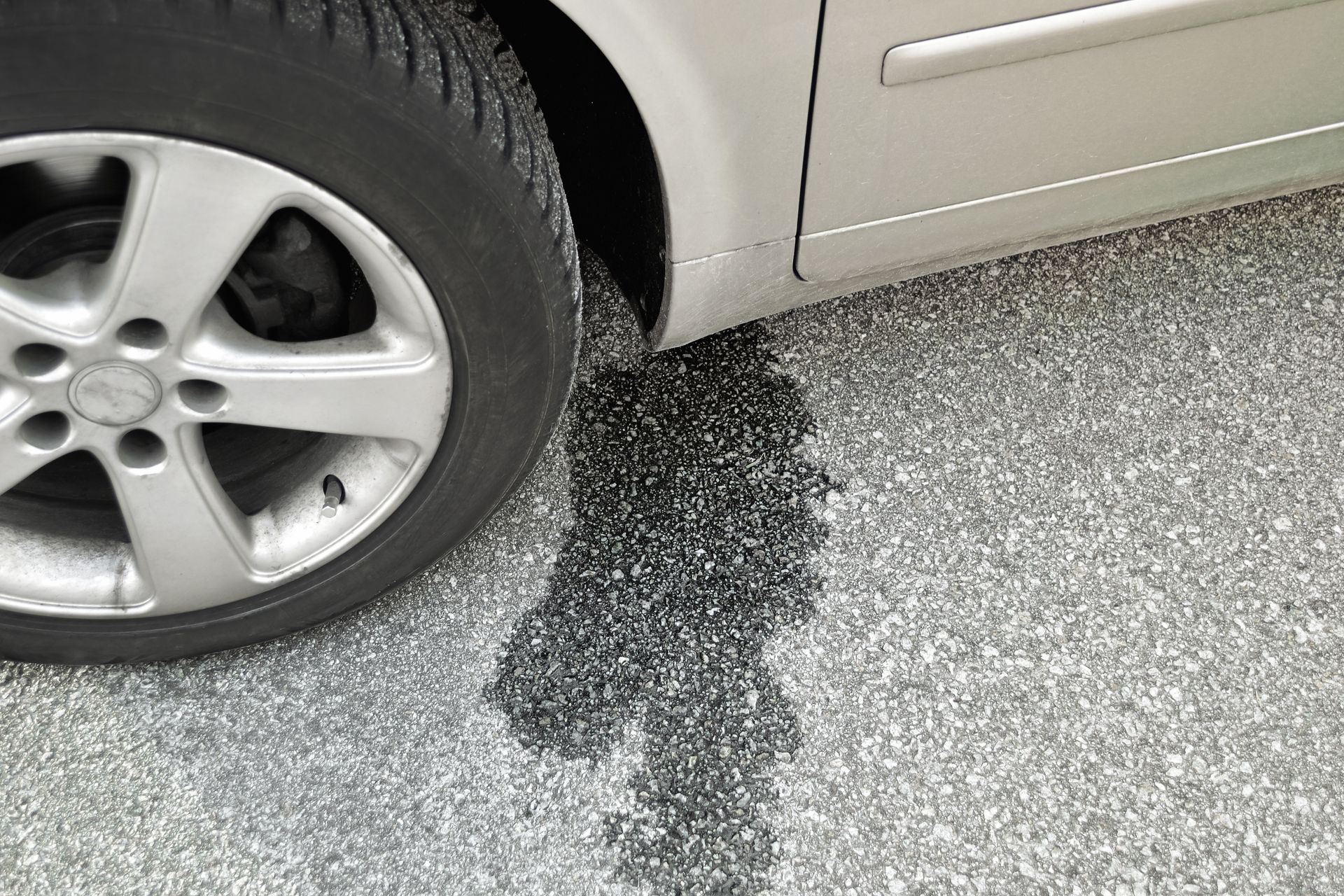
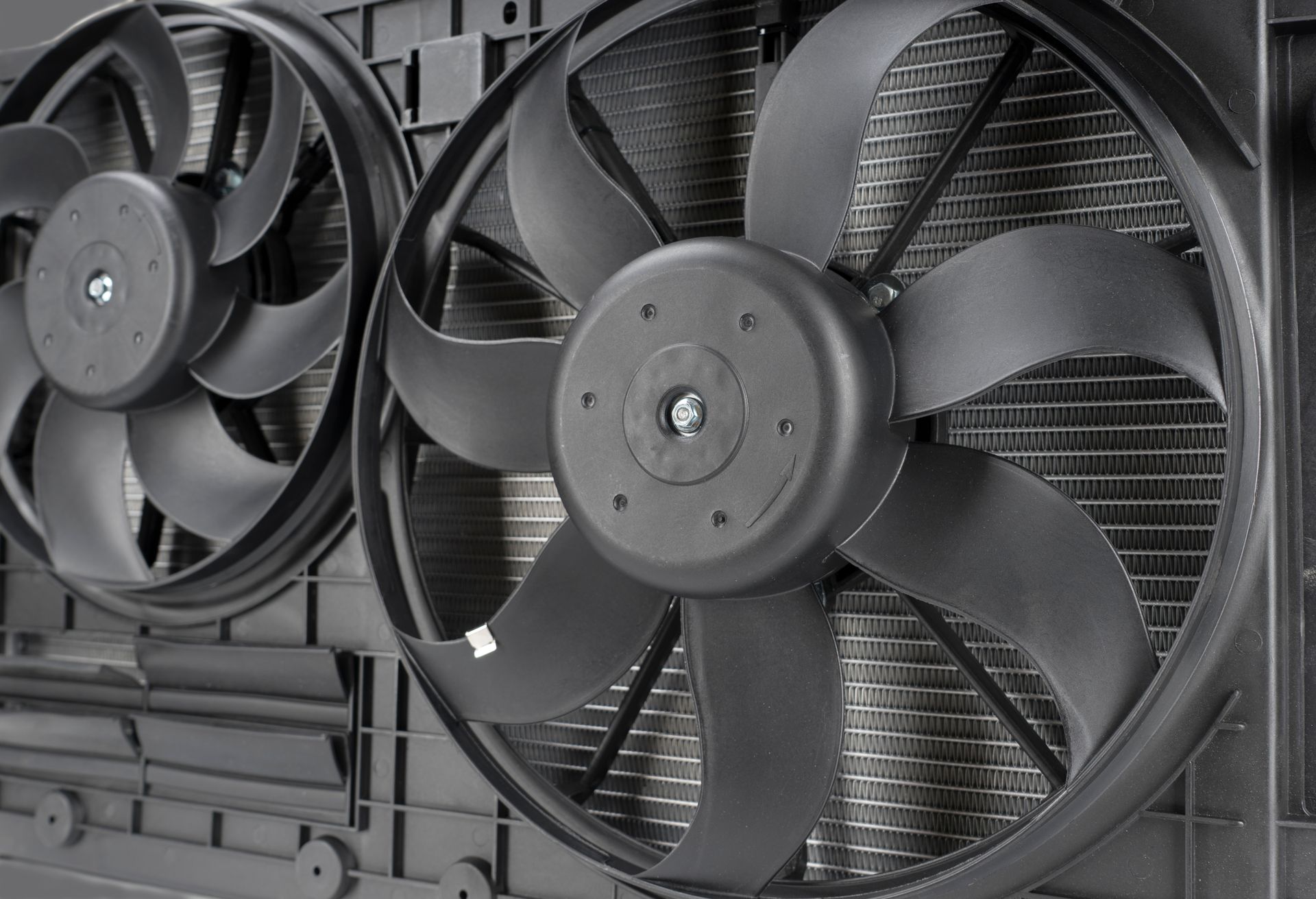
Coolant has a specified service life, and the correct type depends on the truck. Hoses, seals, the radiator, and other cooling components also age through heat and use. A coolant level change or residue around a connection deserves attention before a leak becomes severe during a loaded trip.
Don't assume topping up the reservoir is the same as a scheduled coolant service. The shop should check concentration, condition, compatibility, and the source of any loss as appropriate. An overheating warning requires you to stop safely and follow the vehicle's instructions, not continue because the truck has handled hot weather well in the past.
F-150 Transmission And Drivetrain Fluids Need The Right Schedule
Transmission, transfer case, and axle fluid requirements vary with equipment and use. A four-wheel-drive truck has service points that a two-wheel-drive version may not share. Towing and other demanding operations may require different intervals, so a generic interval borrowed from another F-150 may not be suitable.
Fluid service doesn't repair slipping, internal wear, or an existing mechanical failure. Report delayed engagement, unusual shifts, leaks, or drivetrain noises before the service method is chosen. Identify the correct fluid and procedure from the truck's specifications rather than treating every transmission as a universal flush.
F-150 Spark Plugs And Engine Components Have Specific Intervals
On some F-150 schedules, spark plugs are listed at 100,000 miles; particular severe-use configurations may call for them at 60,000. That difference is why the exact manual is useful. Rough running still needs inspection because ignition, fuel delivery, and other faults can produce similar symptoms.
Belts, hoses, filters, and accessible connections also deserve inspection as the truck ages. Evaluate engine-specific concerns based on symptoms and applicable service information. Replacing a long list of components merely because the truck has reached a round mileage figure can add expense without addressing what has actually worn or become due.
F-150 Brakes And Suspension Reflect How The Truck Works
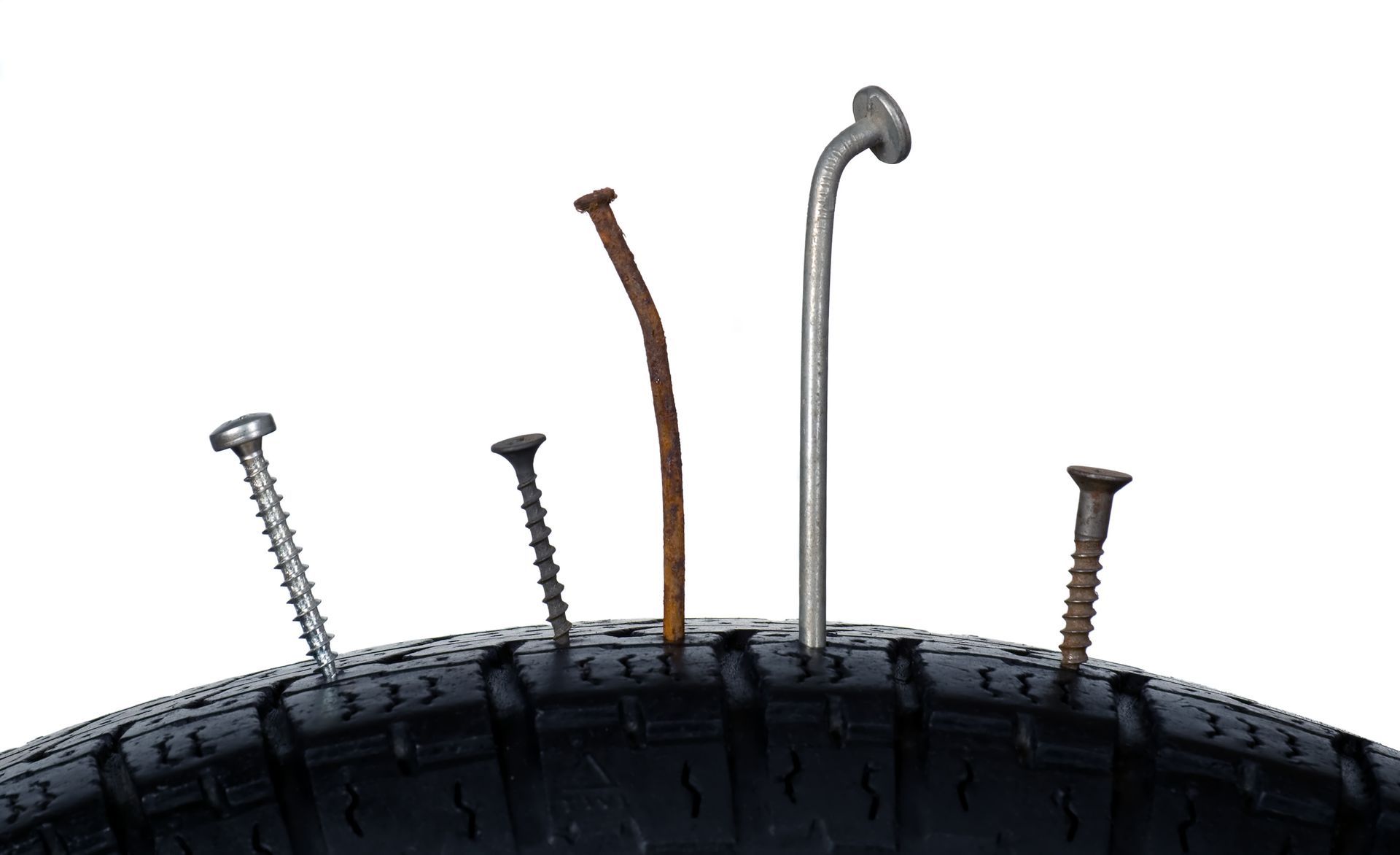
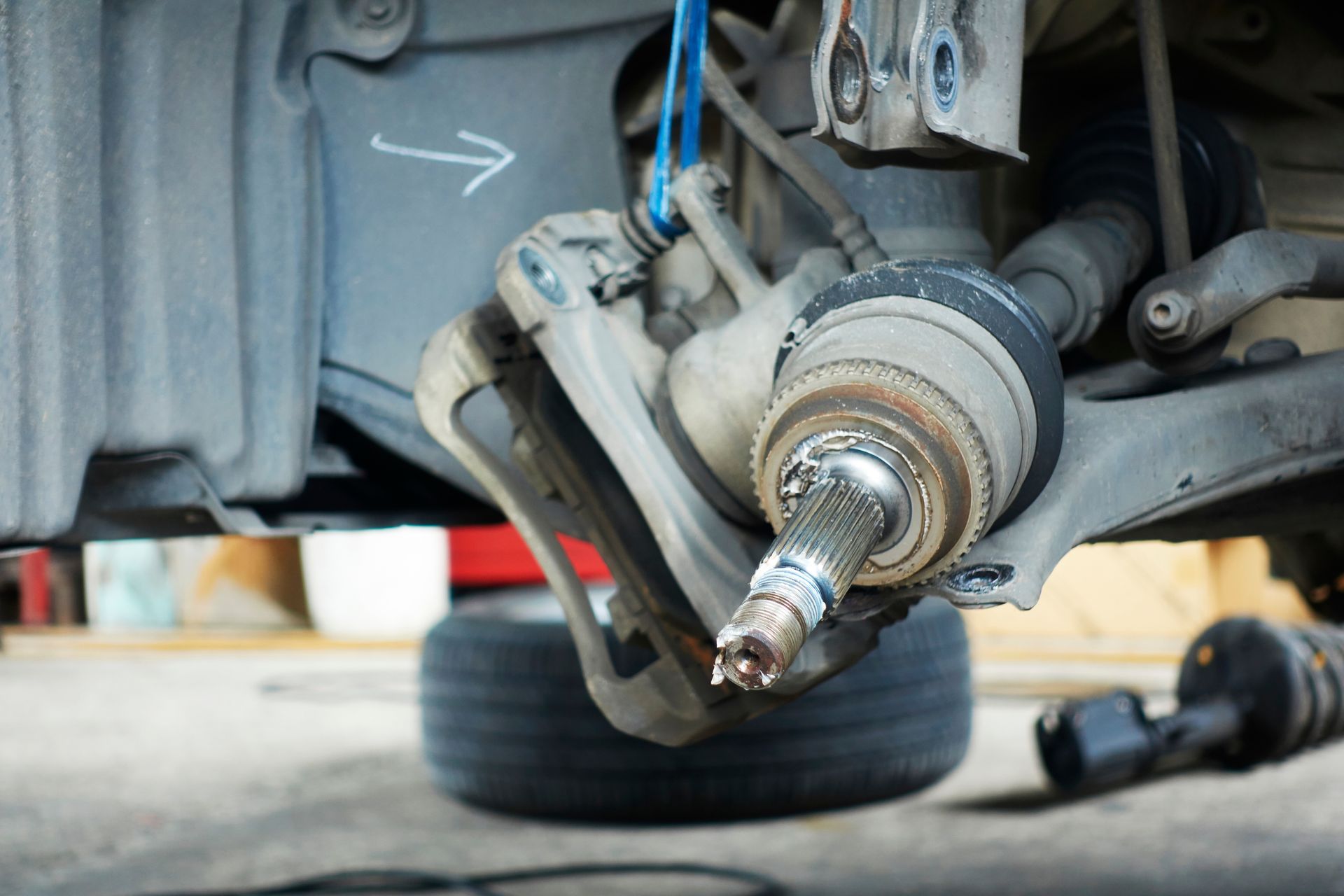
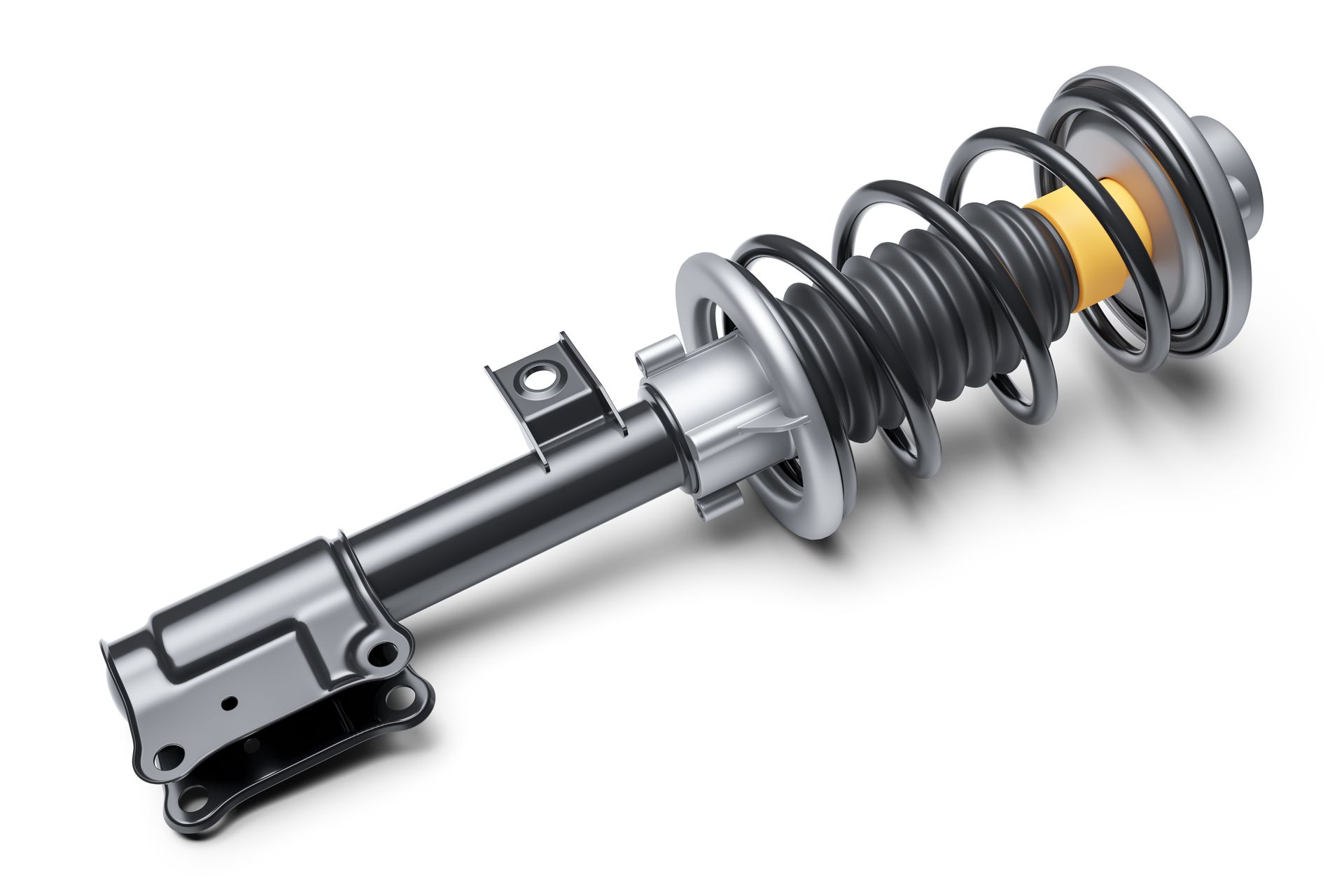
Heavy loads and frequent towing can increase demands on brakes, tires, and suspension. Steering joints, bushings, shocks, and wheel bearings may develop wear that changes handling or tire condition. The inspection should consider how the truck feels unloaded as well as the duties it regularly performs.
Watch for changes such as:
- A new clunk over bumps or during changes in load.
- Steering looseness or wandering on a straight road.
- Uneven tire wear.
- Brake vibration, pulling, or a change in pedal feel.
- Unusual bouncing or instability with an appropriate load.
These symptoms call for inspection rather than automatically assuming the tires or shocks are the only cause.
F-150 Batteries And Electrical Connections Need Condition Checks
Battery capacity and connection condition can decline even when the truck runs well once started. Slower cranking, intermittent electrical behavior, or repeated jump-starts deserve testing. Modern charging controls also mean one voltage reading doesn't always provide a complete answer about alternator performance.
Inspecting wiring, terminals, and relevant grounds can help separate a weak battery from a charging or connection problem. Hybrid F-150 models add different equipment and service requirements, including high-voltage precautions. Describe accessories and recent installations too, because added electrical loads can influence starting and parked battery behavior.
F-150 Maintenance Records Make Higher-Mileage Planning Easier
Keep dates, mileage, fluids used, and major repair details in one place. Those records help establish what is due instead of repeating a service because its history is uncertain. Include the truck's towing, idling, and work patterns when reviewing the maintenance schedule with the shop.
Use the service schedule and inspection findings to plan the work. Leaks and safety concerns may need attention before a future scheduled item. If a noise or shift problem needs more checking, include that in the plan too. Mileage helps organize maintenance, but the truck's condition should guide any repair recommendation.
Schedule Ford F-150 Maintenance In Fort Lauderdale, FL
Layton's Garage in Fort Lauderdale, FL, can review your F-150's service history and inspect changing engine, drivetrain, brake, or suspension concerns. Bring the model year and details about how you use the truck so we can discuss the appropriate maintenance plan.