A coolant leak can show up in several different ways. You may find a puddle under the front of the car, notice a sweet smell after driving, see dried residue around a hose connection, or realize the reservoir needs topping off more often than it used to.
Coolant loss should never be treated as normal. The cooling system is designed to stay sealed, so if the level keeps dropping, there is a leak or another problem that needs to be found. At our shop, we look at where the fluid appears, when it leaks, and whether the engine is running hotter than normal.
Radiators Can Leak From the Core or End Tanks
The radiator has to hold hot, pressurized coolant while also being exposed to road debris, vibration, and years of heat cycles. Leaks can develop in the aluminum core, around plastic end tanks, or where the tank is crimped to the core.
Small radiator leaks are sometimes easiest to see after the engine has warmed up and the system is under pressure. You may notice damp spots, dried coolant residue, or a puddle near the front of the vehicle. A leak that only appears when hot can disappear by the time the car has cooled down, which is why pressure testing can be useful.
Hoses and Connections Can Crack or Loosen
Coolant hoses expand and contract every time the engine heats up and cools down. Over the years, rubber can harden, swell, crack, or weaken at the ends where it connects to the radiator, engine, or heater system.
Plastic quick-connect fittings and hose flanges can also become brittle. During an inspection, we check for soft spots, cracks, swelling, loose clamps, and dried residue around connections. If one hose has failed from age, we also look at the condition of the others instead of assuming the rest are still healthy.
Water Pumps Can Leak Before They Fail Completely
The water pump circulates coolant through the engine and radiator. Many pumps use a shaft seal that can begin leaking as the pump wears.
Depending on the engine design, coolant may drip directly from the pump or leave residue around a small weep opening. Some pumps are difficult to see without removing covers or other components. If the pump also develops bearing wear, you may hear grinding or whining, but many leaking pumps make no unusual noise at all.
Thermostat Housings Are Another Common Leak Point
Thermostats are often installed inside plastic or aluminum housings that seal against the engine with a gasket or O-ring. Heat cycles can harden those seals, and plastic housings can crack as they age.
A thermostat housing leak may run down the engine and make it look like the coolant is coming from somewhere else. We trace the highest fresh wet area rather than assuming the puddle directly underneath the car marks the exact source. Coolant can travel along brackets, covers, and engine surfaces before it reaches the ground.
Expansion Tanks and Caps Can Lose Coolant
The coolant reservoir or expansion tank is part of the pressurized cooling system on many vehicles. Plastic tanks can develop hairline cracks, especially around seams, hose connections, and mounting points.
The pressure cap also matters. It is designed to hold a specific amount of pressure and release it when needed. If the cap seal is damaged or the valve fails, coolant can escape without leaving a large, obvious leak. We inspect the tank and cap along with the rest of the system when the level keeps dropping.
Heater Cores Can Leak Inside the Vehicle
The heater core is a small radiator located inside the HVAC system. Engine coolant flows through it so the blower can send warm air into the cabin.
A leaking heater core may leave coolant on the passenger-side carpet, create a sweet smell inside the vehicle, or cause a greasy film to form on the windshield. You may also notice the windows fogging more than usual. Because the leak is inside the car, little or no coolant may drip onto the driveway.
Not Every Coolant Leak Leaves a Puddle
Some leaks are small enough that coolant evaporates on a hot engine before reaching the ground. Others happen only under pressure or during certain driving conditions.
Warning signs worth watching for include:
- Coolant level dropping between services
- Sweet smell after driving
- Dried white or colored residue around cooling-system parts
- Temperature gauge running higher than normal
- Steam from under the hood
- Wet carpet inside the cabin
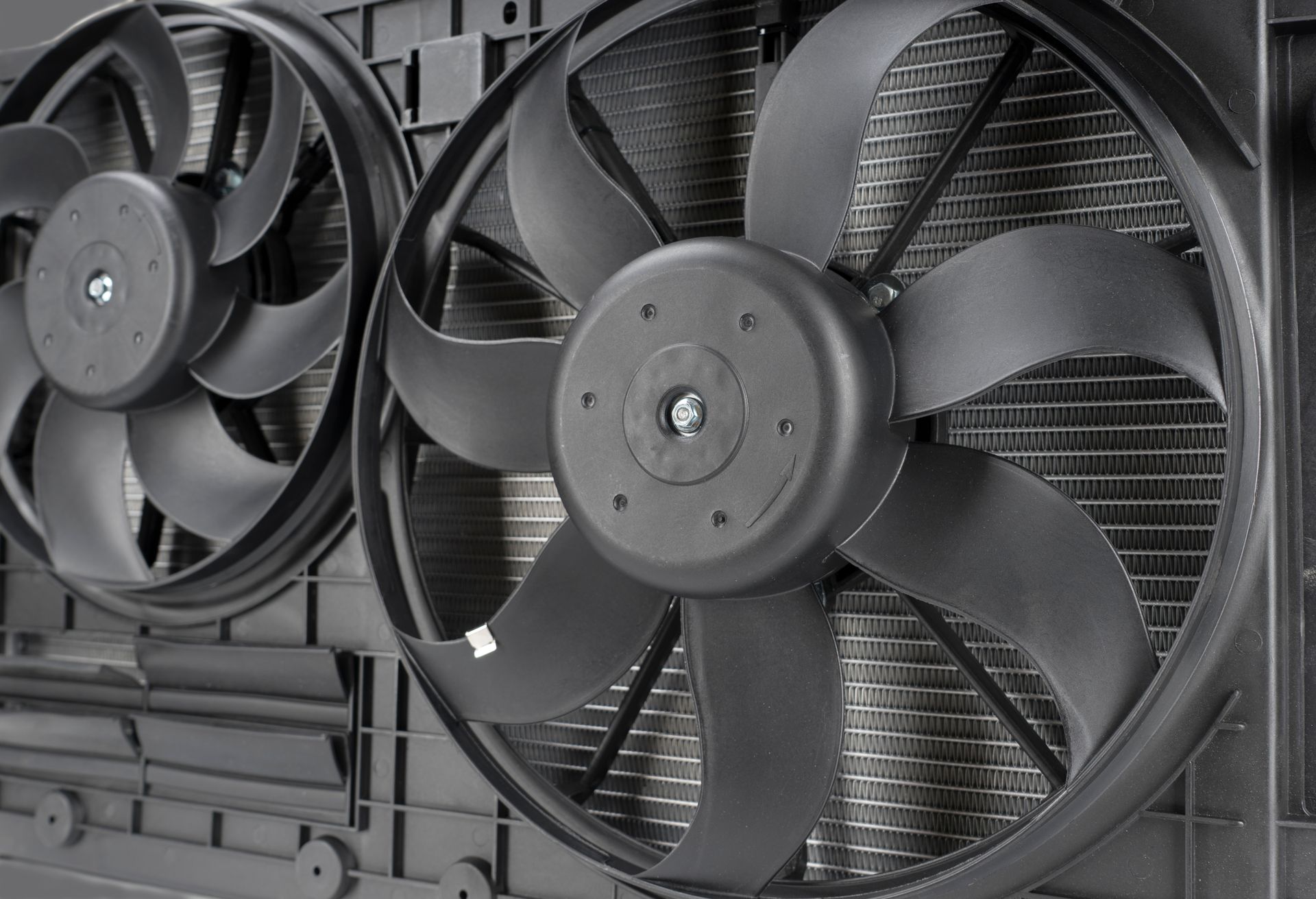
- Cooling fan running more than usual
- Coolant warning light
Do Not Keep Driving an Overheating Vehicle
If the temperature gauge reaches the hot zone, a red temperature warning appears, or steam comes from under the hood, stop driving as soon as it is safe. Continuing to drive can turn a hose, radiator, or water pump repair into major engine damage.
Do not remove the coolant cap while the system is hot. Pressurized coolant can cause serious burns. Once the engine has cooled, inspect the vehicle to find the source of the leak instead of simply topping off the reservoir and continuing to drive.
Get Coolant Leak Repair In Fort Lauderdale, FL, With Layton's Garage
If your vehicle is losing coolant, leaving puddles, smelling sweet, or running hotter than normal, Layton's Garage in Fort Lauderdale, FL, can pressure-test the cooling system and inspect the radiator, hoses, water pump, thermostat housing, reservoir, and heater circuit.
Schedule a coolant leak inspection before a small fluid loss turns into an overheating problem.