A Civic, Accord, or CR-V could all suit your daily routine, but keeping one for years involves different details. Vehicle size isn't the whole story. Engine choice, transmission, and available all-wheel drive can change the maintenance list, while trim level affects equipment such as tires and brakes.
For a useful comparison, look at the actual year and powertrain. Then consider how you'll drive it around Fort Lauderdale. Short errands place different demands on a car from longer trips, and regular cargo adds another consideration. The badge alone won't tell you which services or wear items to plan for.
Honda Engine Maintenance Varies By Year And Powertrain
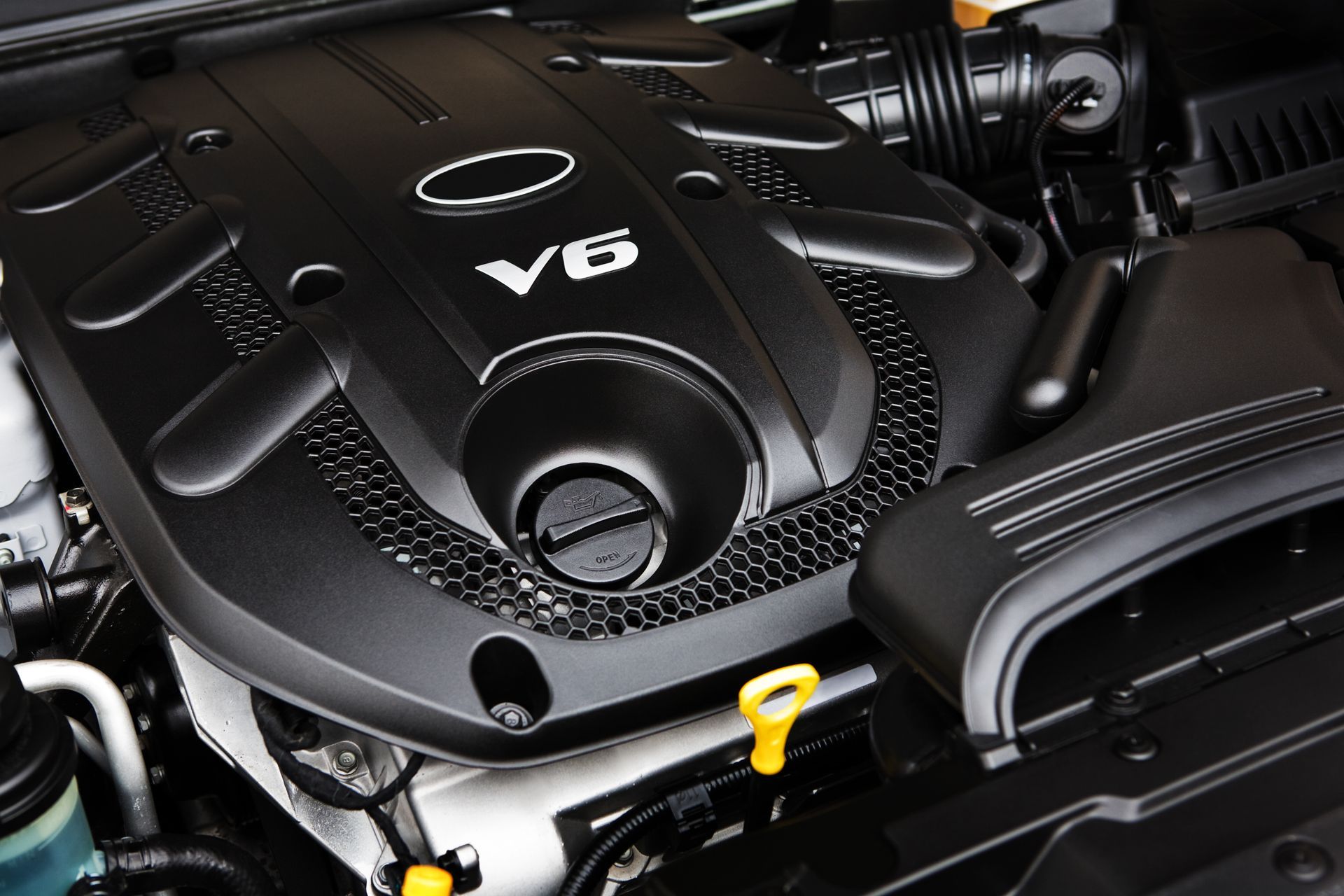
Different generations of these models have used different engines. Some are turbocharged, some use other gasoline layouts, and some are hybrids. Oil specifications, spark plug schedules, and other engine requirements therefore need to come from the information for the exact vehicle rather than a comparison based only on its name.
A hybrid still needs engine maintenance even if electric operation reduces engine running during part of your drive. Short trips and time limits remain relevant. Older Honda engines can also have different timing arrangements from newer ones. Confirm the design and schedule before assuming a belt service or chain replacement applies.
Honda Transmission Service Is Not Identical Across Models
Depending on year and trim, you may encounter a manual gearbox, a conventional automatic, a CVT, or a hybrid drive system. Each uses specified fluids and service procedures. The fluid suitable for one Civic isn't automatically appropriate for another Honda just because both have an automatic selector.
Don't treat hybrid drive systems as ordinary belt-type CVTs just because they share a similar label. Follow the manufacturer's requirements. Report shudder, delayed response, unusual noise, or a change in operation before choosing a service, because fresh fluid won't fix every mechanical or control-system issue.
CR-V All-Wheel Drive Adds A Different Service Requirement
An AWD-equipped CR-V has a rear differential and related service needs that a front-wheel-drive version doesn't share. That difference can affect the long-term maintenance list even when both vehicles use a similar engine. The correct fluid and interval depend on the particular year and equipment.
Tire matching requirements deserve attention too. Check the vehicle's instructions before replacing only one damaged tire when the others are worn. Civic and Accord ownership usually involves different drivetrain considerations than an AWD CR-V, but you still need to confirm the exact fitment. A model comparison should guide questions rather than replace the individual schedule.
Honda Tire And Brake Costs Depend On Fitment And Use
Wheel size, tire specification, vehicle weight, and driving habits influence replacement needs. A performance-oriented Civic trim can require a different tire budget from a modestly equipped Accord. A CR-V used for heavier cargo may also place different demands on its tires and brakes than one used mainly for gentle commuting.
Don't assume the smallest model always has the lowest cost for every wear item. Compare the actual tire size and brake equipment when planning ownership. On hybrids, regenerative braking can reduce friction-brake use in some conditions, but pads, rotors, calipers, and brake fluid still need inspections and scheduled care.
Honda Suspension Wear Reflects Roads And Daily Loading
Struts, shocks, bushings, joints, and wheel bearings wear through use and age. How a vehicle is loaded and the roads it travels influence what shows up first. A CR-V isn't exempt from alignment or suspension concerns because it has an SUV body, and a comfortable Accord can gradually develop the same types of wear.
Watch for handling changes such as:
- New clunks over bumps.
- Repeated bouncing after a normal bump.
- Steering that feels loose or less precise.
- Uneven tire wear despite correct inflation.
- Vibration or pulling that changes with speed or braking.
An inspection should connect those symptoms to the measured condition before parts are recommended.
Compare Honda Ownership Needs Using The Actual Vehicle
For an existing car, service records and current condition are more useful than broad model rankings. If you're planning a purchase, identify the year, engine, transmission, drivetrain, and tire fitment before estimating maintenance. A well-maintained example can differ substantially from one with missed service even when the badges match.
Plan around the equipment and condition of the Honda you're actually keeping. An AWD CR-V adds a service need that a front-wheel-drive car doesn't share, while tire fitment or an older engine's requirements can change other costs. That gives you a useful comparison of ownership needs without assuming every example of one model is alike.
Schedule Honda Maintenance In Fort Lauderdale, FL
Layton's Garage in Fort Lauderdale, FL, can review maintenance needs for your Honda Civic, Accord, or CR-V using its year, equipment, and service history. Bring your records and describe any changes so we can explain what is due and what needs inspection.
Contact us to schedule a Honda maintenance review and vehicle inspection.