Your Toyota has passed 100,000 miles and still seems to drive well. What should change now? Usually, the first step is reviewing its history. Some services may be approaching, and gradual wear can go unnoticed when the car feels much the same during your daily commute.
A Corolla, a Tacoma, and a hybrid RAV4 have different equipment and schedules. Their past maintenance can differ just as much. Use the milestone to check what's due and inspect changing behavior, rather than assume the odometer has triggered a standard collection of replacement parts.
Toyota Oil Level Trends Deserve Attention Between Services
Keep using the specified oil and follow the correct mileage and time limits. The odometer doesn't justify an arbitrary change to thicker oil. At higher mileage, it's more useful to watch the level between services and see whether the amount needed for top-offs has changed.
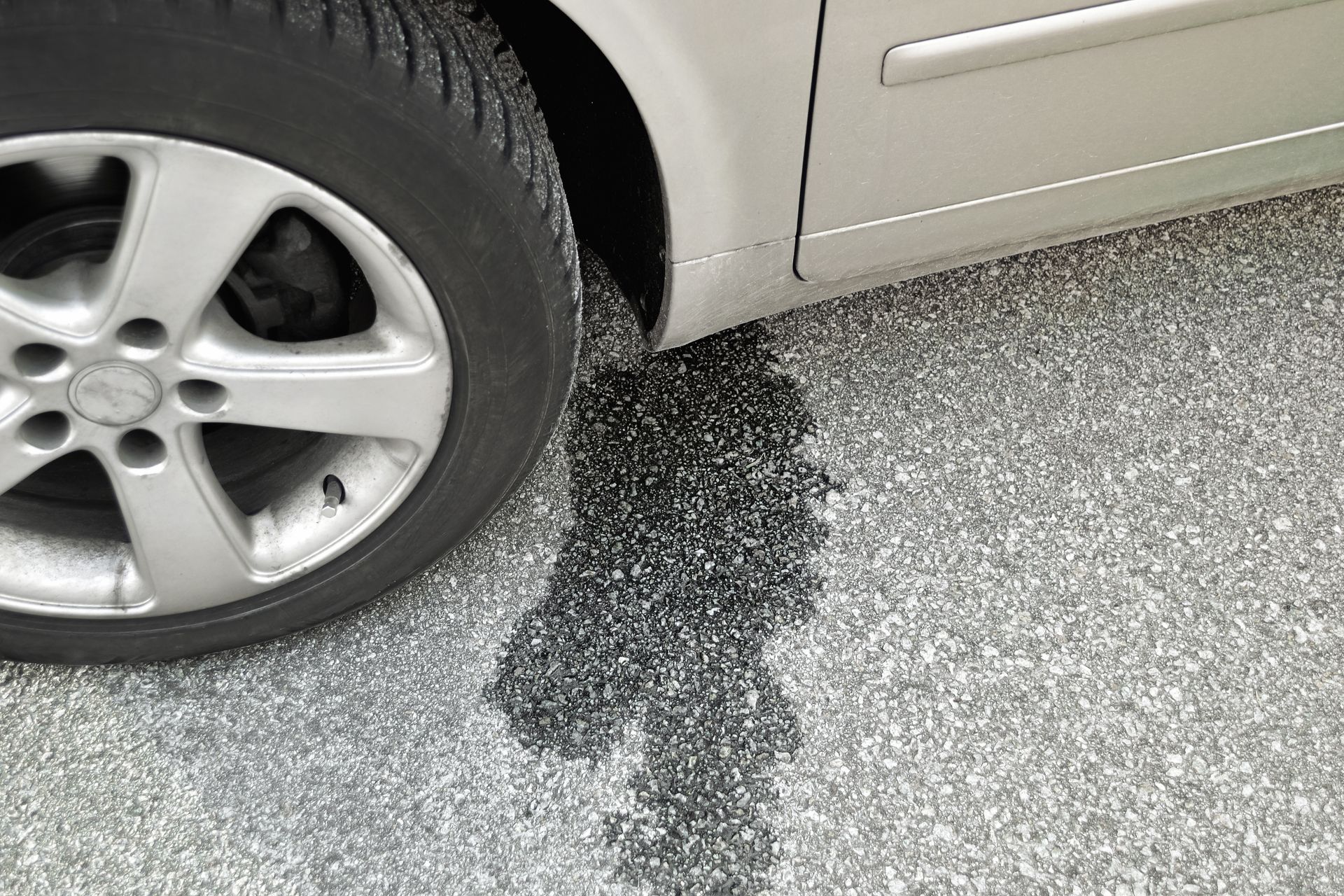
Leaks, burning oil, and contamination require different checks. Tell the shop if you see spots beneath the car, notice exhaust smoke, or find the level changing unexpectedly. A clean driveway doesn't rule out oil loss, and replacing the oil alone doesn't establish why the engine is using more than before.
Toyota Coolant Service Depends On The Original Schedule
Some Toyota schedules bring an initial coolant replacement close to this mileage or a specified age, but the details vary. Subsequent intervals can differ from the first one. Check the schedule for your exact vehicle and the records of any earlier coolant service instead of assuming the milestone applies universally.
Also check hoses, reservoir fittings, the radiator, and the water pump area as appropriate. A slowly falling level can indicate a small leak even when there's no puddle after parking. Use the correct coolant and address unexplained loss; adding whatever fluid is available can complicate compatibility and leave the cause unresolved.
Toyota Transmission And Differential Service Needs Accurate History
Automatic transmissions, CVTs, manual gearboxes, and hybrid drive systems require different fluids. All-wheel-drive and four-wheel-drive models can add differential or transfer case service points. The maintenance plan needs the exact equipment and operating conditions, not a general recommendation for a high-mileage Toyota.
Describe any delayed engagement, unusual noise, shudder, or shifting change before the work is planned. A fluid service can't reverse internal wear or replace a proper inspection for an existing complaint. If past service is uncertain, the shop can explain the appropriate inspection and manufacturer-supported options instead of promising that a generic flush will solve everything.
Toyota Timing Belts And Ignition Parts Are Model-Specific
Some Toyota engines use timing belts with scheduled replacement requirements, while many use timing chains. A chain isn't automatically due for replacement at one hundred thousand miles. The engine's actual design and service instructions determine what belongs on the maintenance list, including any timing belt age limit.
Spark plug type and replacement intervals also vary. Worn ignition parts can contribute to roughness or misfires, but you still need to confirm the cause. Belts, filters, and accessible hoses should be assessed alongside scheduled services. A broad milestone should prompt a review, not replace the information for the particular engine.
Toyota Brake And Suspension Wear Can Develop Gradually
You may adapt to a softer ride, slight steering looseness, or a new vibration without realizing how much the car has changed. Brake pads, rotors, joints, bushings, and other components should be checked for actual wear. Tire patterns can provide useful clues about inflation, alignment, and suspension condition.
Bring changes like these to the appointment:
- Clunks over bumps or steering that feels less precise.
- Brake vibration, pulling, or unusual pedal behavior.
- Uneven tire wear or a persistent road-speed vibration.
- Repeated bouncing after ordinary road bumps.
A full inspection helps distinguish normal maintenance from a specific fault that needs repair.
Toyota Hybrid Models Still Need Regular Maintenance
A hybrid engine may run less often in some conditions, but it still needs oil service according to the specified time and mileage guidance. Brake fluid, tires, cooling circuits, and other systems also require attention. Regenerative braking can change friction-brake use without removing the need to inspect those brakes.
Some hybrids have cooling inlets or filters that need model-specific care, especially when dust or pet hair accumulates. Follow the manual and keep high-voltage work with properly equipped technicians. Check a hybrid warning on its own terms rather than assuming it means the traction battery needs replacement solely because the vehicle has reached this mileage.
Toyota Maintenance Planning Should Follow Condition And Records
Gather invoices and note services already completed, including their dates and mileage. Time-based requirements can become due even on a car driven relatively little. Reliable records help avoid duplicate work and identify missed services that matter more than the number currently showing on the odometer.
Ask which jobs are due under Toyota's schedule and which come from wear found during inspection. A leak or safety concern needs its own priority. With that explanation, you can plan continued ownership and avoid treating a familiar mileage milestone as a reason to replace a large collection of parts.
Get Toyota Maintenance Checks In Fort Lauderdale, FL
Layton's Garage in Fort Lauderdale, FL, can review your Toyota's maintenance history and inspect concerns that develop as it adds miles. Bring your service records and describe changes in fluid levels, handling, braking, or engine operation so we can explain the next steps.
Contact us to schedule a Toyota maintenance and condition inspection.