A clicking sound during a tight turn is one of those noises that drivers notice right away because it happens at low speed. You pull into a parking space, turn the wheel sharply, and hear click-click-click from one side of the car. Then the sound may disappear once you straighten the wheel and drive normally.
That pattern is important. A clicking noise during a parking turn or U-turn usually means one part is under load only when the steering angle is sharp. The sound may come from an axle, steering part, suspension joint, brake hardware, wheel bearing, or something loose near the wheel. It may start quietly, but it should not be ignored just because it only happens in parking lots.
A CV Axle Is One Of The Most Common Causes
Front-wheel drive vehicles and many all-wheel drive vehicles use CV axles to send power to the wheels while still allowing the wheels to turn and move with the suspension. The outer CV joint has to work especially hard during tight turns.
When an outer CV joint wears, it often makes a repeated clicking sound while turning. The noise is usually more noticeable during acceleration through a sharp turn, such as pulling into traffic, turning into a parking space, or making a U-turn.
The CV boot is worth a close look. If the rubber boot tears, grease can escape, and dirt can get into the joint. Once that happens, the joint can wear quickly. You may see grease flung around the inside of the wheel or suspension area before the clicking gets loud.
The Direction Of The Turn Can Help
The side that clicks is not always obvious from the driver’s seat, but the direction of the turn gives a clue. If the clicking happens mostly when turning left, the right-side axle or suspension may be under more load. If it happens mostly when turning right, the left side may be stressed more.
That is not a perfect rule because sound can travel through the vehicle's body. A noise that seems to come from the left may actually come from the right. Still, the pattern helps during a road test.
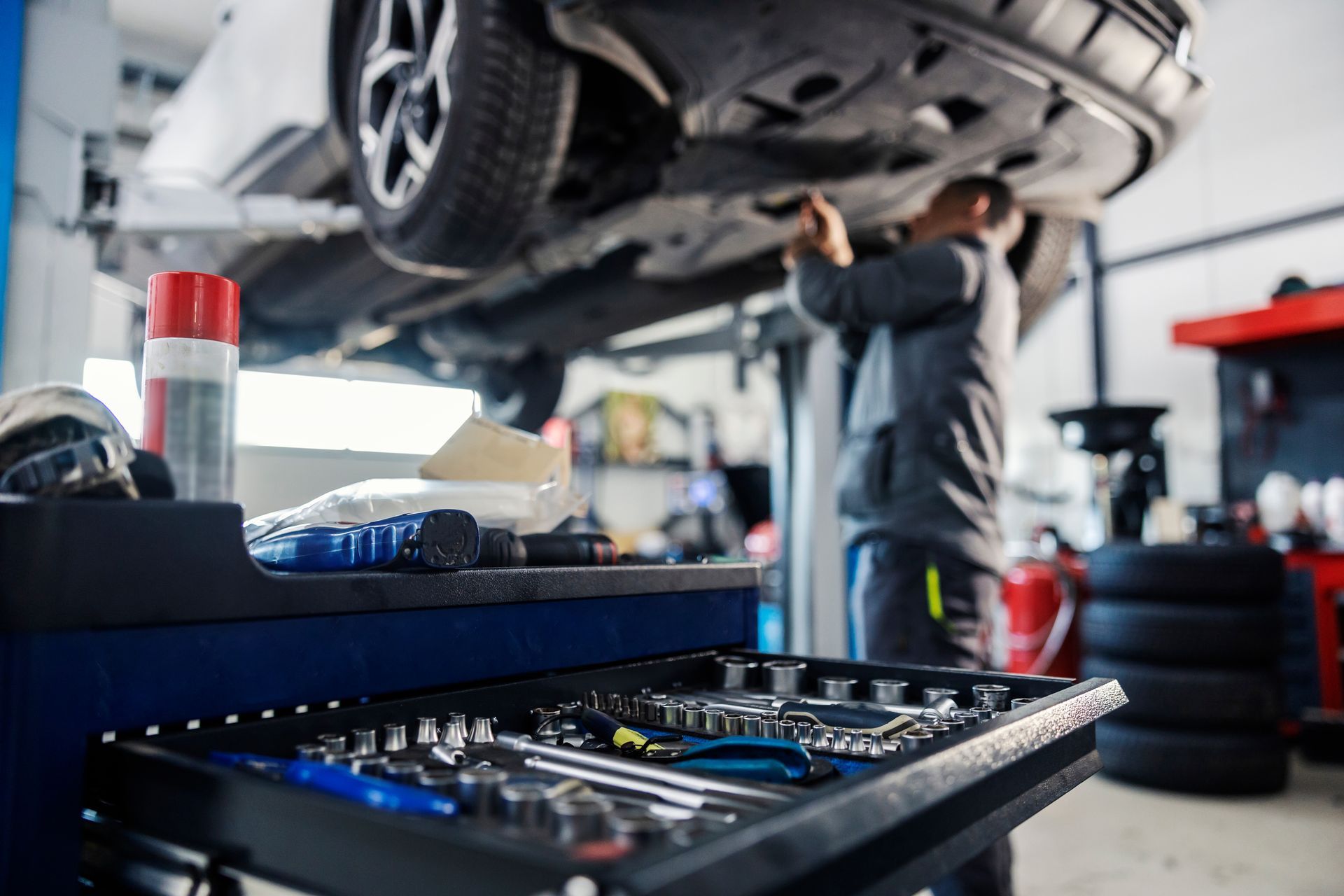
A technician will usually listen while turning both directions, then inspect the axle boots, joints, steering parts, and suspension parts on a lift. The goal is to match the noise with the part that moves under the same condition.
Steering And Suspension Parts Can Click Too
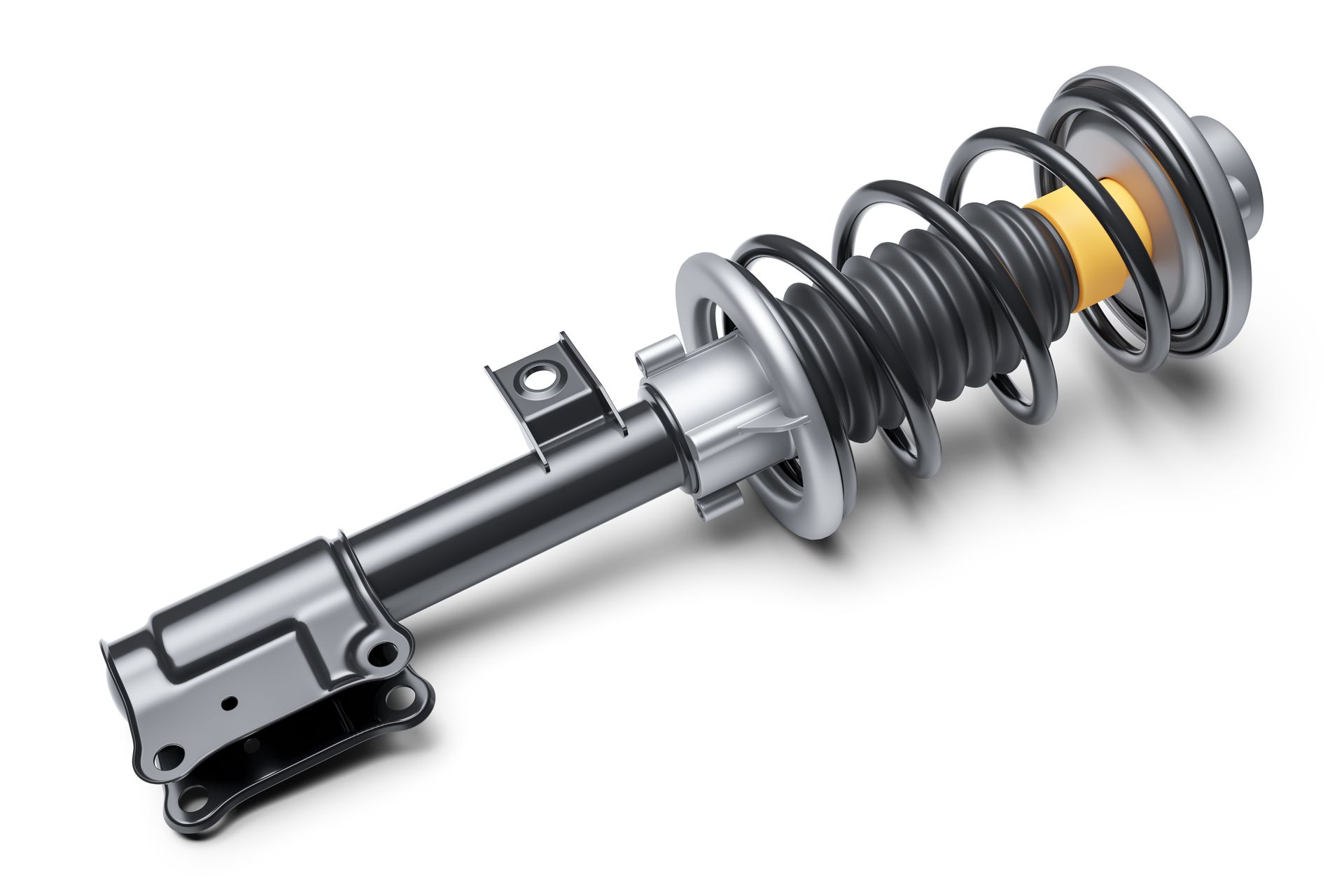
Not every clicking sound during a tight turn is an axle. Tie rod ends, ball joints, control arm bushings, strut mounts, sway bar links, and other suspension parts can make noise when the steering is turned and the vehicle’s weight shifts.
A worn ball joint may click, pop, or clunk when the suspension moves. A bad strut mount can make a snapping or clicking sound as the steering wheel turns. A loose sway bar link may click over small bumps while turning into a driveway or parking lot.
These parts matter because they help control the wheel’s position. If the vehicle also pulls, wanders, wears tires unevenly, or feels loose over bumps, the clicking noise should be checked sooner rather than later.
Brake Hardware Can Move During Tight Turns
Brake parts sit close to the wheel, so they can create noises that sound like axle or suspension trouble. A loose pad, worn clip, bent dust shield, rusty hardware, or small piece of debris can click or scrape when the wheel turns.
A brake dust shield is a simple example. If it bends close to the rotor, it may scrape or tick during certain turns. A loose brake pad or worn hardware can shift slightly when the vehicle changes direction, creating a click that appears at low speed.
Brake-related noises may also change when the pedal is pressed. If the clicking stops or changes while lightly applying the brake, that detail is useful during the inspection.
Do Not Ignore Clicking After A Pothole Or Curb Hit
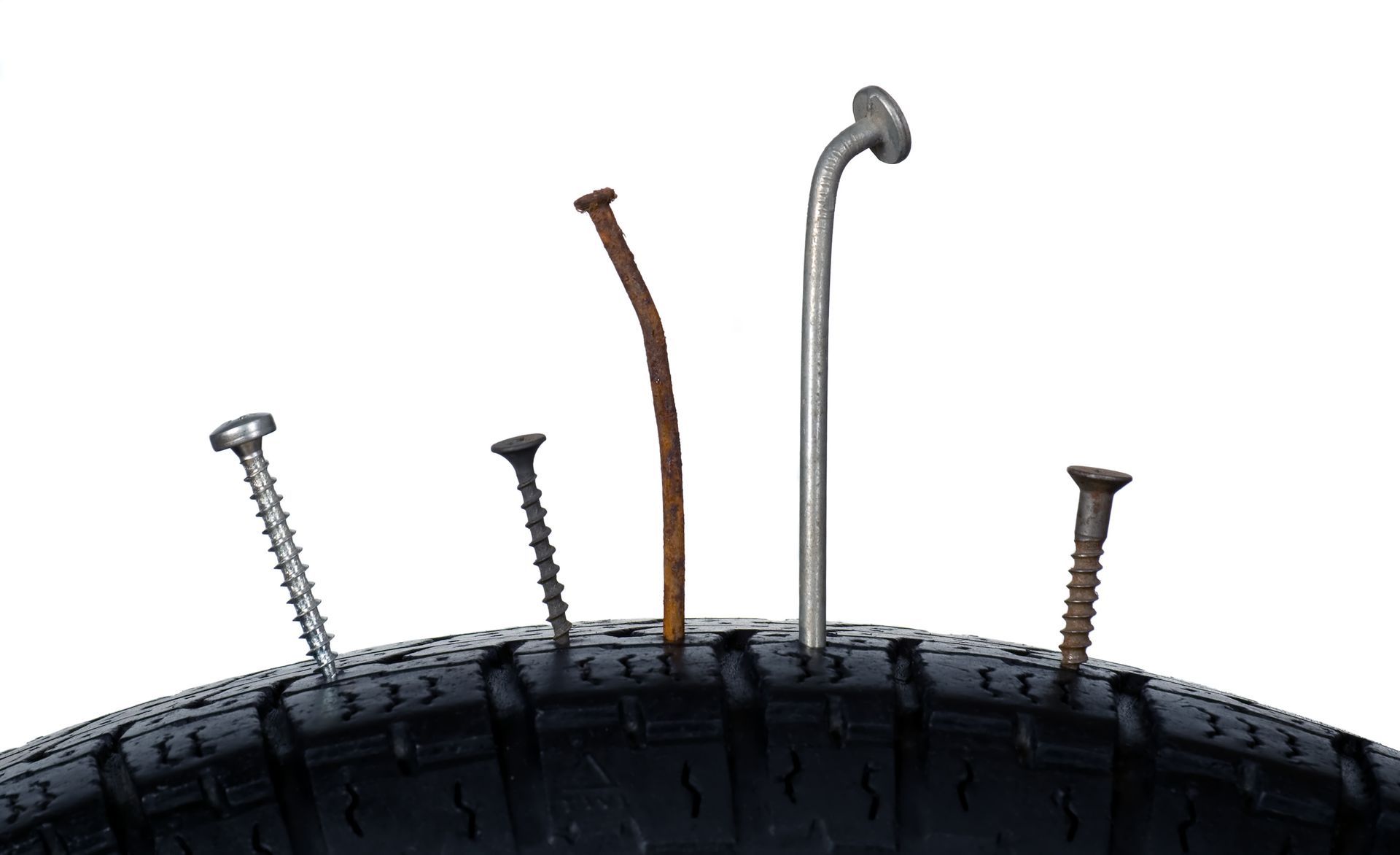
A new clicking sound after hitting a pothole, curb, or road debris deserves attention. That kind of impact can bend a wheel, damage a tire, stress a suspension part, loosen a shield, or change the way parts sit near the wheel.
Even if the vehicle still drives, something may have shifted enough to make noise during tight turns. Fort Lauderdale roads, standing water, construction areas, and hidden potholes can be rough on tires and suspension parts.
If the steering wheel is now off-center, the car pulls, or a tire is losing air after the impact, the clicking may be only one part of the problem.
Clues That Help Identify The Noise
The exact sound and timing can make the inspection more accurate.
- A rapid click-click-click while accelerating through a tight turn often points toward an outer CV joint, especially if the axle boot is torn or grease is visible near the wheel.
- A single pop or click when first turning the wheel can point toward a strut mount, ball joint, control arm bushing, or steering component shifting under load.
- A clicking sound that occurs over bumps may be caused by sway bar links, suspension hardware, loose brake parts, or worn bushings.
- A scraping or ticking sound that changes with wheel speed can come from a dust shield, debris near the rotor, tire damage, or something contacting the rotating wheel.
- A clicking noise accompanied by vibration, pulling, or uneven tire wear should be investigated as a larger steering and suspension concern.
These details help narrow the search, but the vehicle still needs to be inspected directly. Several parts can make similar noises in tight turns.
Why Early Service Can Save Nearby Parts
A clicking CV joint, loose steering parts, or worn suspension joints do not usually fix themselves. The noise may stay the same for a while, then get louder as the part wears more. If a CV joint gets bad enough, the axle can fail. If a suspension or steering part wears too far, it can affect tire wear, alignment, and handling.
Regular maintenance helps catch torn CV boots, loose suspension parts, brake hardware issues, and early tire wear before they become bigger repairs. A quick inspection when the clicking starts is usually better than waiting until the sound is obvious every time you turn.
Get Clicking Sound Diagnostics In Fort Lauderdale, FL, With Layton's Garage
If your car clicks, pops, ticks, or scrapes when turning into a parking space or making a U-turn, Layton's Garage in Fort Lauderdale, FL, can check the CV axles, steering parts, suspension, brakes, tires, and related components.
For clicking sound diagnostics before a small noise becomes a larger repair,
contact us to schedule an appointment.