Heavy rain has a way of finding problems that looked harmless the day before. A car may feel fine during dry weather, then the first real storm hits and suddenly the tires slip, the brakes feel strange, the engine stumbles, or water starts showing up where it should not be. Storm season does not always create these problems from nothing. It exposes weak spots that were already there.
In Fort Lauderdale, heavy rain is not a rare event drivers can ignore. Standing water, sudden downpours, poor visibility, humidity, and flooded streets can put more strain on tires, brakes, electrical components, seals, belts, and fluids than normal. If a vehicle is already close to needing attention, storm driving can make that obvious quickly.
1. Tires That Do Not Move Water Well
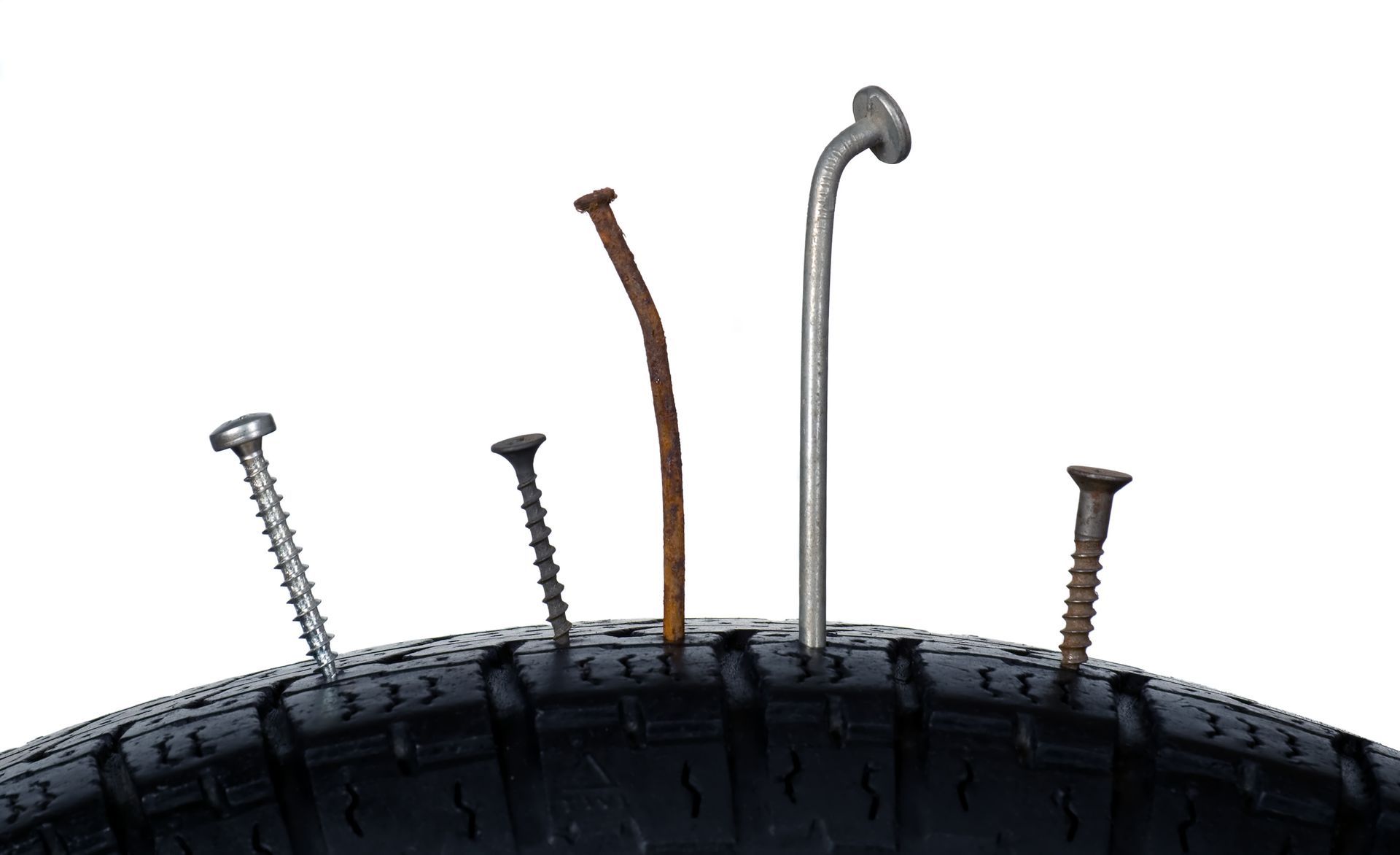
Tires are the first thing heavy rain tests. The tread channels need enough depth to move water out from under the tire. When the tread is worn, the tire can ride on top of the water instead of gripping the road.
That is hydroplaning, and it can happen fast. The steering may feel light, the vehicle may drift, or the driver may feel the car float for a second. Low tire pressure, uneven wear, old rubber, and poor alignment can make the problem worse.
A tire does not have to be completely bald to be unsafe in heavy rain. If the inside edge is worn or the tread is close to the wear bars, dry-road driving may hide the problem until the next storm.
2. Weak Wipers And Poor Visibility
Wiper blades are easy to forget until it's already raining. A weak blade may chatter, streak, skip, or leave a blurry film right across the driver’s view. In a light drizzle, that is annoying. In a Florida downpour, it can become a safety problem.
The windshield washer system matters too. A clogged nozzle, weak washer pump, or empty reservoir can leave the glass dirty when road spray builds up. Headlights also need to be clear and working because other drivers need to see you as much as you need to see the road.
If the wipers are cracked, hard, noisy, or smearing water instead of clearing it, they should be replaced before storm season does the testing for you.
3. Brake Problems That Show Up On Wet Roads
Rain changes how braking feels. The tires have less grip, rotors may get wet, and stopping distance can increase. If the brake system already has worn pads, uneven rotors, old brake fluid, or a sticking caliper, wet conditions can make the vehicle feel less predictable.
A car that pulls slightly during dry braking may pull more noticeably on wet roads. A brake vibration that was mild before may feel sharper when slowing down from highway speed in rain. A soft pedal can feel even less reassuring when traffic stops suddenly.
Brake pads, rotors, calipers, hoses, and fluid should be checked together. Good brakes still need good tires, but the brake system itself has to be ready for quick stops in poor weather.
4. Electrical Issues From Moisture Intrusion
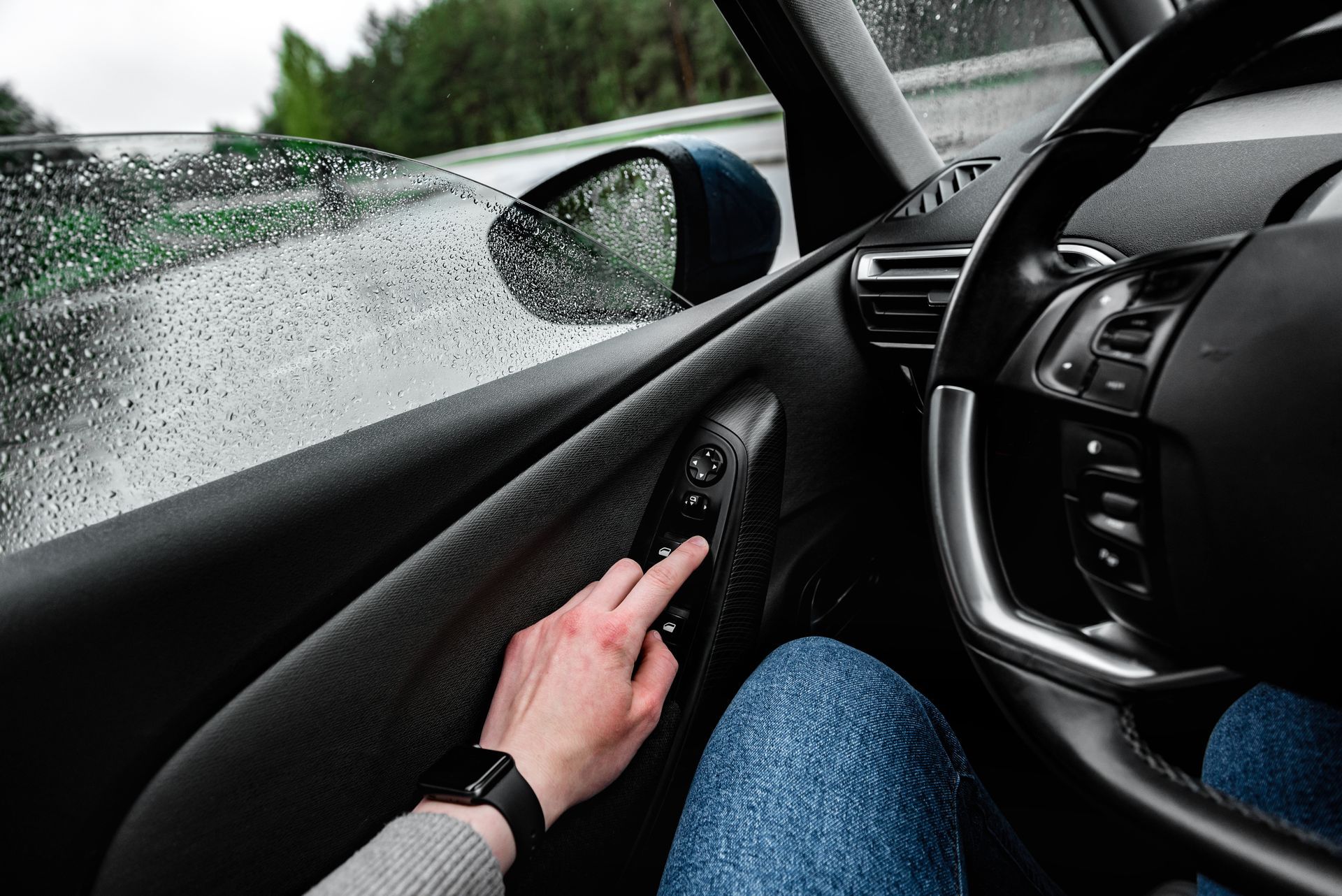
Moisture and electrical systems do not get along. Heavy rain can reveal weak seals, cracked housings, corroded connectors, loose grounds, or damaged wiring. The first signs may be odd: a warning light, flickering exterior lights, a window switch that acts up, or a sensor code that appears after a storm.
Battery terminals and ground connections are especially important in coastal Florida weather. Corrosion can create poor voltage, and poor voltage can make the vehicle behave strangely. A weak battery may also struggle more when wipers, headlights, A/C, defrosters, and fans are all running at the same time.
Electrical problems after rain should not be dismissed as random. Water usually found a path somewhere.
5. Water Leaks Into The Cabin
A wet floorboard after rain is more than an inconvenience. Water inside the cabin can lead to musty smells, mold, electrical problems, stained carpet, and damaged modules depending on where the moisture travels.
Common leak points include door seals, windshield seals, sunroof drains, cowl drains, trunk seals, body seams, and A/C drain areas. Leaves and debris can clog drainage paths, causing water to overflow into places it was never meant to go.
A damp smell after rain is an early clue. So is foggy glass, wet carpet, or water in the trunk spare tire well. Finding the leak early can prevent interior damage that is much harder to clean up later.
6. Belts That Slip When Wet
A worn belt may stay quiet in dry weather, then squeal when rain and humidity arrive. Moisture can make a weak belt slip, especially if the belt is glazed, cracked, loose, contaminated with oil, or paired with a worn tensioner or pulley.
A slipping belt can affect important systems depending on the vehicle. It may drive the alternator, water pump, power steering pump, or A/C compressor. That means belt noise is not only a sound problem. It can become a charging, cooling, steering, or comfort problem.
During an inspection, the belt, pulleys, tensioner, and any oil leaks near the belt should be checked together. Replacing the belt alone may not solve the issue if another part is causing the slip.
7. Fluids And Filters That Were Already Past Due
Heavy rain and humidity can expose neglected regular maintenance. A dirty cabin air filter can make defogging weaker because airflow through the vents is restricted. Old brake fluid can feel less confident under repeated wet-weather braking. Low or old coolant can become a problem when traffic, heat, and A/C use all stack together.
Engine air filters can also get dirty or damp depending on the intake design and road conditions. Driving through deep water is especially risky because water entering the intake can seriously damage the engine.
Storm season is a good reminder to check fluid levels, filter condition, lights, tires, brakes, belts, and seals. The goal is not to wait until rain reveals the vehicle's weakest point.
Get Storm Season Vehicle Inspection In Fort Lauderdale, FL, With Layton's Garage
If heavy rain has exposed tire slipping, brake changes, poor visibility, electrical issues, water leaks, belt noise, or other storm-related concerns, Layton's Garage in Fort Lauderdale, FL, can inspect the vehicle and explain what needs attention.
For storm season vehicle inspection before the next downpour catches you off guard,
contact us to schedule an appointment.