Fort Lauderdale weather can be beautiful for people and rough on vehicles. Warm air, salt, humidity, sudden rain, strong sun, and heavy traffic all work on a car in ways mileage alone does not show. A vehicle may not be driven far every day, but it can still age faster because of where it lives.
That is the part many drivers miss. Coastal air does not only affect paint. Moisture and salt can reach brakes, suspension parts, electrical connectors, underbody hardware, rubber seals, belts, hoses, and interior materials. The damage often starts small, then shows up later as corrosion, strange electrical issues, sticky brake parts, faded trim, or leaks that seem to come out of nowhere.
Humidity Keeps Moisture Around Longer
Every vehicle gets wet. The difference in Florida is how long moisture can hang around. Humid air slows drying, especially in tight places like door seams, underbody pockets, brake hardware, weatherstripping, and electrical connectors.
Moisture sitting on metal encourages corrosion. It may begin around bolts, brackets, clamps, brake components, exhaust hangers, and suspension hardware. These are not always parts you see during a normal walkaround. The car can look clean from the outside while the underside is slowly getting crusty.
Humidity also affects the cabin. A musty smell from the vents, damp carpet, foggy windows, or a moldy odor can point toward moisture trapped inside the HVAC system or interior. A clogged drain, dirty cabin filter, or water leak can make the problem worse.
Salt Air Speeds Up Corrosion
Salt air is sneaky because the car does not have to be parked right on the beach to be affected. Tiny salt particles can travel in the air and settle on painted panels, wheels, underbody parts, and exposed metal. Salt attracts moisture, which keeps surfaces damp and makes corrosion more active.
This is why coastal vehicles often experience rusting of fasteners, brake hardware, battery terminals, exhaust parts, and undercarriage corrosion sooner than inland vehicles. A bolt that should come loose during service may be seized. A bracket that looked solid last year may start flaking. A small chip in paint can turn into a corrosion spot if salt and moisture settle there.
Regular washing helps, but it should include wheel wells, lower panels, and underbody areas when possible. The salt you do not see can be the salt doing the most damage.
Electrical Issues Can Start With One Dirty Connector
Modern vehicles depend on electrical connections for nearly everything. Sensors, modules, lights, windows, locks, fans, fuel systems, charging systems, and engine controls all need clean electrical contact. Humidity and salt can create corrosion inside connectors and around ground points.
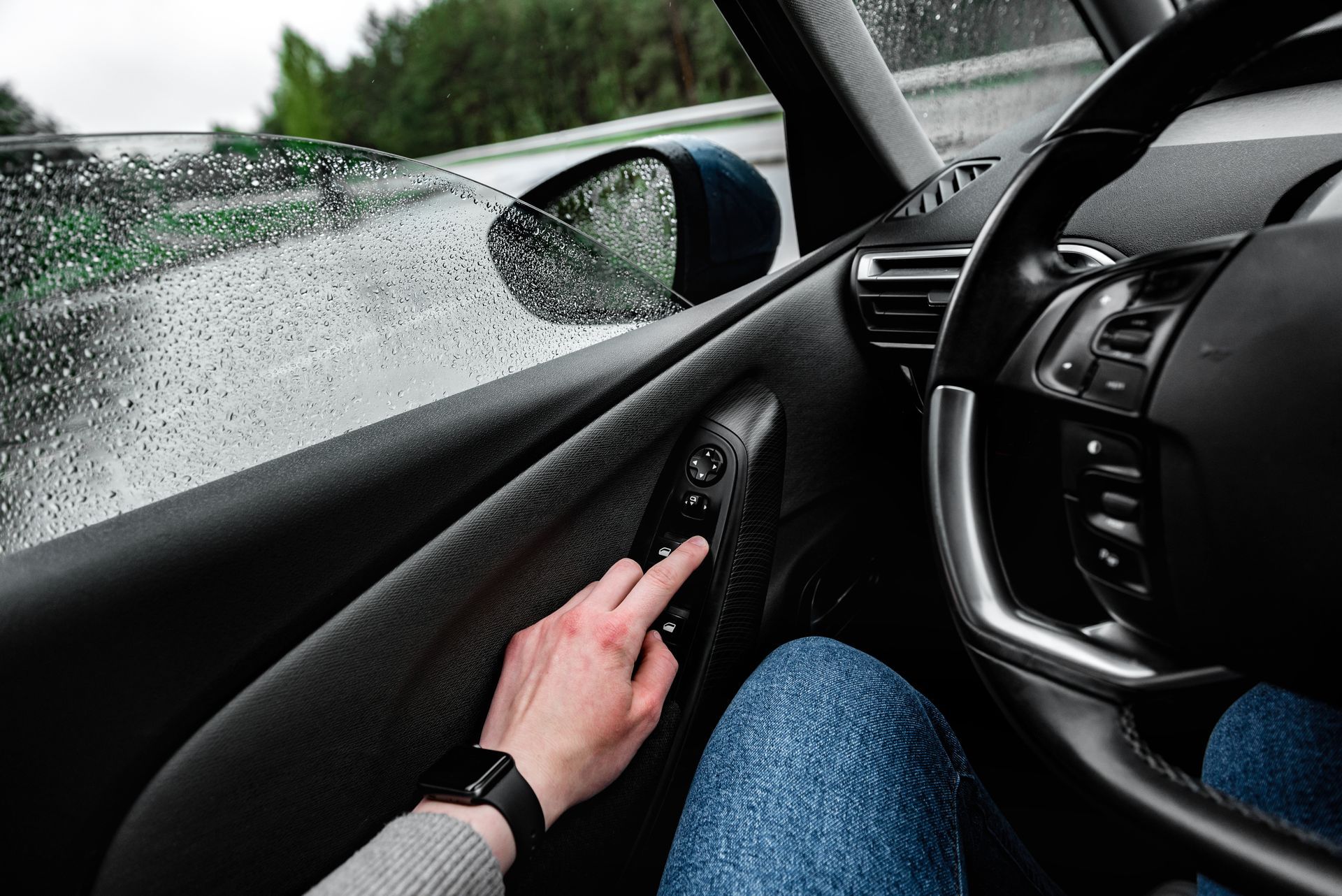
The first symptoms may be random. A warning light appears and then goes away. A window switch works only sometimes. A light flickers. The vehicle cranks slowly even though the battery is not that old. A sensor code returns after being cleared.
Battery terminals and grounds are especially important in coastal weather. Corrosion there can create low-voltage problems that make the vehicle act stranger than expected. Cleaning visible corrosion may help, but the deeper issue needs to be checked if the symptoms keep returning.
Brakes, Suspension, And Exhaust Take The Weather Every Day
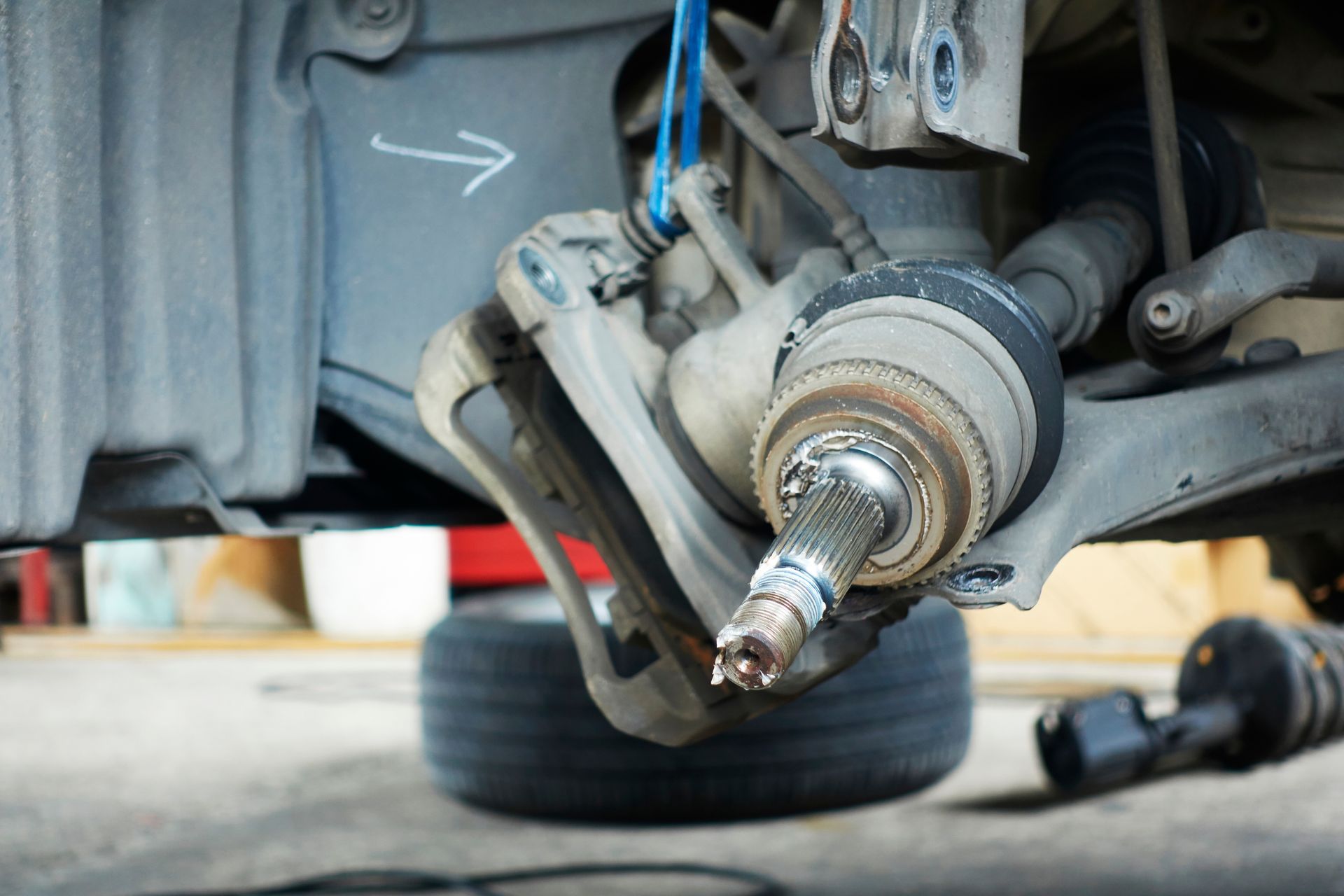
Brake parts are constantly exposed to water, salt, sand, heat, and grime. Rotors can develop surface rust quickly after rain or after the vehicle sits for a few days. Light rust may clean off during normal braking, but sticking hardware, rusty slide pins, and seized caliper parts can cause uneven wear or dragging brakes.
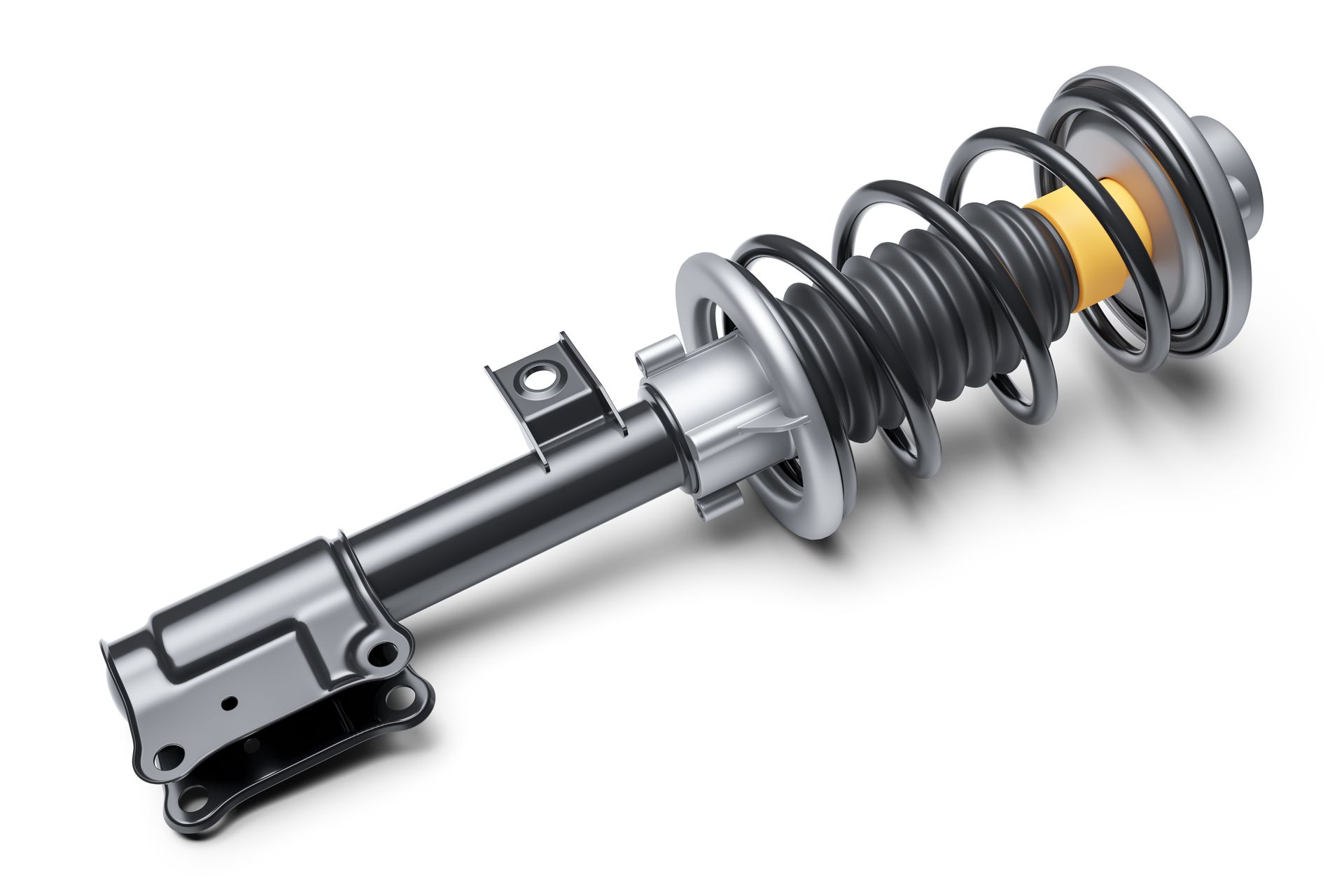
Suspension parts are exposed too. Bushings, ball joints, tie rods, control arms, shocks, struts, and wheel bearings all deal with heat, moisture, and road contamination. Corroded hardware can make repairs harder, while worn rubber parts can change how the vehicle feels over bumps and during braking.
Exhaust parts also suffer in salty, humid air. Hangers, clamps, shields, and seams can rust long before the whole exhaust system looks bad. A rattle underneath may start with a loose shield or corroded hanger rather than a major exhaust failure.
Paint, Rubber, And Interior Materials Age In The Sun
Florida sun can be just as hard on a vehicle as moisture. Clear coat, headlights, plastic trim, wiper blades, door seals, belts, hoses, and tires all age from heat and UV exposure. Faded headlights reduce nighttime visibility. Dry weatherstripping can allow wind noise or water leaks. Old wiper blades can smear badly during sudden storms.
Rubber parts under the hood deserve attention too. Belts and hoses are exposed to engine heat and weather conditions. A hose may become soft, swollen, cracked, or brittle. A belt may glaze, crack, or start making noise when accessories place more load on it.
Inside the cabin, the sun can dry dashboards, seats, and trim. Window tint, windshield shades, regular cleaning, and keeping drains clear can help slow that wear.
What Drivers Should Watch For
Coastal wear usually gives small clues before something fails.
- A burning or hot smell after driving can point toward dragging brakes, oil leaks, electrical heat, or rubber parts touching hot surfaces.
- A musty A/C smell can mean moisture is staying inside the HVAC system, especially if the cabin filter is dirty or the evaporator drain is restricted.
- White or green corrosion around the battery can cause weak starts, charging concerns, or confusing electrical symptoms.
- Squeaking, clunking, or uneven tire wear can point toward suspension parts that are aging from miles, heat, moisture, and road conditions.
- Rusty brake hardware or a wheel that smells hot can mean the brake parts are not releasing cleanly after stops.
These signs should not be brushed aside because the vehicle still drives. Florida weather tends to make small problems grow quietly.
Why Local Maintenance Matters
A coastal vehicle needs regular maintenance based on age, exposure, and condition, not only mileage. Fluids, brakes, tires, belts, hoses, suspension parts, electrical connections, filters, seals, and underbody hardware should be checked with Florida conditions in mind.
A good inspection can spot corrosion, moisture issues, rubber wear, leaks, and early brake or suspension concerns before they turn into larger repairs. Preventing every weather-related problem is not realistic, but staying ahead of them is much easier than dealing with a seized part, electrical fault, or overheated brake later.
Get Coastal Vehicle Maintenance In Fort Lauderdale, FL, With Layton's Garage
If your vehicle deals with Florida humidity, coastal air, salt, sun, heavy rain, or year-round heat, Layton's Garage in Fort Lauderdale, FL, can check the brakes, battery connections, belts, hoses, tires, suspension, A/C system, fluids, and underbody parts for weather-related wear.
For coastal vehicle maintenance before small signs turn into bigger repairs,
contact us to schedule an appointment.