Brake problems rarely begin with a major failure. More often, the first signs are easy to live with for a while. A little squeal, a small vibration, or a pedal that feels slightly different may not seem urgent when the car still stops. That is exactly why many drivers wait too long.
The trouble is that brake wear does not stay in one place. Once service is delayed, the damage usually spreads from one part of the system to another, and the repair bill grows with it.
Why Brake Service Should Happen Before The Car Feels Unsafe
Brake service is one of those things drivers tend to judge solely by feel. If the car still stops, it seems reasonable to keep going a little longer. The problem with that approach is that brake parts can wear unevenly long before the stopping distance feels obviously worse.
Pads, rotors, calipers, hardware, and fluid conditions all affect how the system works together. When one part starts falling behind, the rest of the system has to work harder. That added strain is where the bigger repair usually begins.
Brake Pads Are Usually The First Warning
Brake pads are designed to wear down over time, so replacing them is normal maintenance. The issue starts when worn pads are left in place too long. At that point, the braking material gets too thin, and the metal backing comes dangerously close to contacting the rotor.
That is when a basic brake pad service can turn into rotor damage. What should have been a simpler visit becomes a more extensive brake repair because the first warning was ignored for too many miles.
Rotors Pay The Price When Pad Wear Is Ignored
Rotors need a smooth, even surface to work properly. Once the pads wear too far or start applying pressure unevenly, the rotors begin developing hot spots, scoring, or thickness variation. Drivers usually notice that later as brake vibration, shaking through the steering wheel, or a rougher feel during stops.
Catching brake wear early helps protect the rotors from that extra damage. Waiting usually means you are no longer paying just for pad replacement. You are paying for the uneven wear that spreads through the rest of the system.
Calipers And Brake Hardware Can Wear Unevenly Too
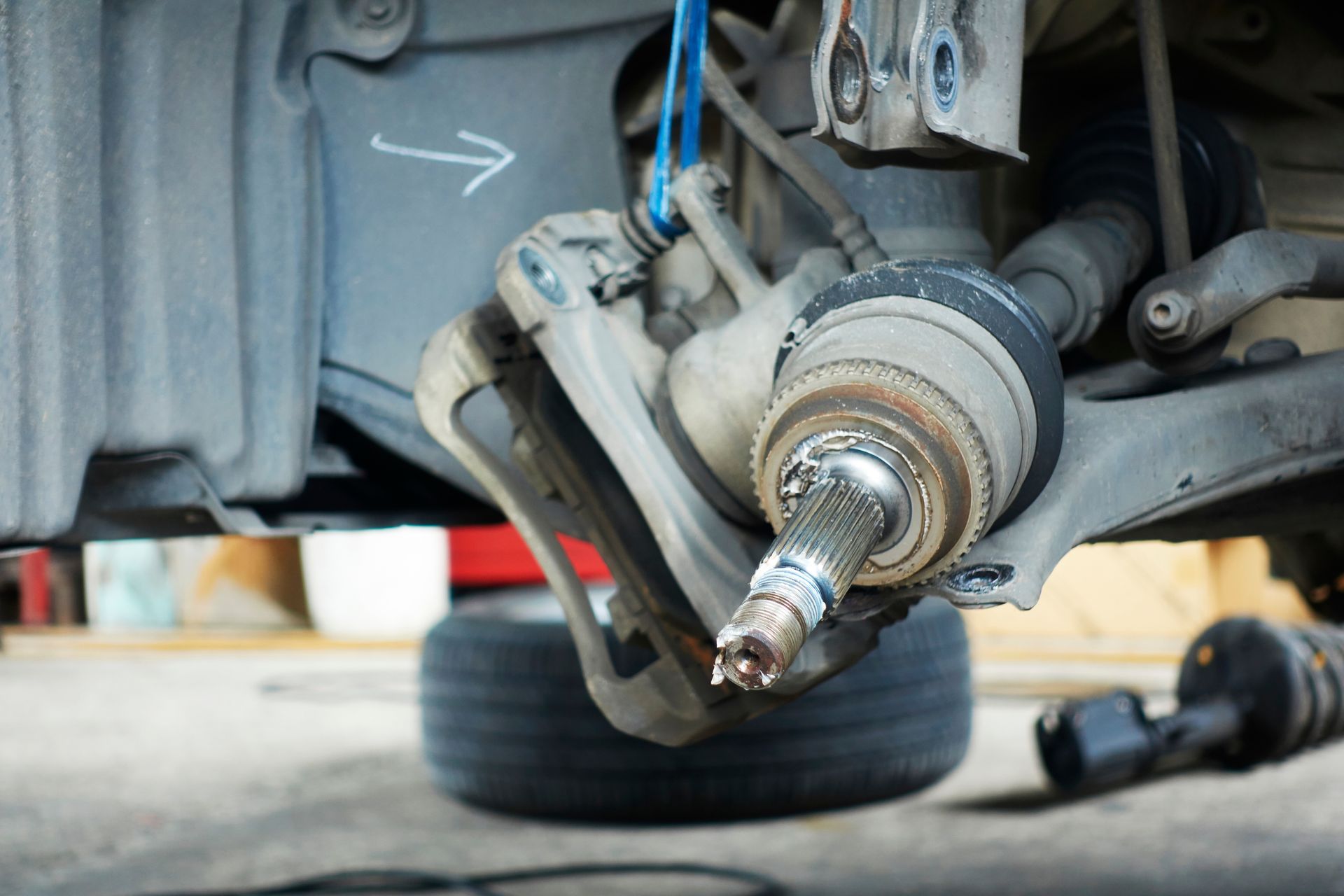
A brake system depends on more than pads and rotors. Caliper slide pins, mounting hardware, and the caliper itself all have to move the right way so braking pressure stays even side to side. If one part starts sticking, one brake can drag or wear much faster than the other.
That kind of problem is easy to miss without an inspection because the car may still feel usable in normal driving. Over time, though, a sticking caliper or worn hardware can overheat the brakes, wear out the pads faster, and create a much more expensive repair than a routine brake service would have been.
Brake Fluid Gets Overlooked More Than It Should
Brake fluid does not wear like a brake pad, so drivers are more likely to forget about it. Even so, fluid condition matters because brake fluid absorbs moisture over time. Once enough moisture builds up, braking performance can become less consistent, and internal brake components can be more prone to corrosion.
That is one reason regular maintenance helps prevent bigger brake repairs in the future. Checking fluid condition during service gives the system a better chance of staying clean, responsive, and protected from wear that starts inside rather than out at the wheels.
Noise And Vibration Are Early Warnings, Not Minor Annoyances
Squealing, scraping, vibration, or a change in pedal feel should not be treated like a harmless brake personality. Those are usually the first signs that the system is no longer wearing evenly or applying force as it should. Drivers who respond early usually keep the repair more controlled.
Drivers who wait tend to replace more parts at once. A little brake noise may have started with pad wear, but once it grows into damaged rotors or overheated components, the job is no longer as straightforward as it could have been.
Why Brake Service Saves Money When It Is Done On Time
Brake service is one of the clearest examples of timing affecting cost. Replacing pads at the right point is normal upkeep. Waiting too long can mean rotors, calipers, hardware, and fluid issues all need attention at the same visit. The vehicle still needed service either way, but one version costs much less than the other.
That is why staying current matters. Good timing protects more than the brakes themselves. It helps protect your tire wear, your suspension from extra vibration, and your confidence every time you need the car to stop cleanly and predictably.
When To Bring The Car In For Brake Service
If you have noticed noise during stops, a brake pedal that feels different, vibration when slowing down, or braking that feels less even than it used to, now is the right time to have it checked. You do not need to wait until the car feels unsafe to justify service. The earlier warning signs are the useful ones.
A proper inspection helps show whether the system needs pads, rotors, fluid service, or attention to a sticking component before the wear spreads farther. That is almost always the cheaper and less frustrating time to deal with brake repair.
Get Brake Service In Fort Lauderdale, FL, With Layton's Garage
If your brakes have started making noise, vibrating, or feeling less consistent, Layton's Garage in Fort Lauderdale, FL, can check the system and help you stop the wear before it reaches more expensive parts.
Good brake service is always easier to deal with before the damage starts stacking up.