An engine drivability check is for the problems that are hard to describe but easy to feel. Maybe the car hesitates, surges, idles roughly, or feels flat under load, and it does it just often enough to be annoying. A good analysis is not one quick scan and a guess. It is a structured set of checks that connects symptoms to data and confirms the cause before parts get replaced.
Here is what gets tested and the most common issues we end up finding.
What A Drivability Analysis Actually Covers
We start with a road test and a scan of stored and pending codes. Then we review live data to see what the engine computer is correcting and why. Fuel trim behavior, sensor responses, and operating temperature trends tell us a lot, even when the check engine light is not on.
We also combine that data with a physical inspection. Intake leaks, weak ignition parts, and fuel delivery issues often leave clues you can see or measure. This process fits into regular maintenance thinking because small issues are easier to solve before they become big, repeating problems.
1. Vacuum Leaks And Unmetered Air
Small vacuum leaks can cause rough idle, hesitation, and fuel trim corrections that creep up over time. We look for cracked hoses, intake boot splits, PCV-related leaks, and loose clamps.
A vacuum leak is often worse at idle because the engine is pulling high vacuum and airflow is low. That is why a car can drive okay at speed but stumble at stoplights.
2. Dirty Throttle Body And Idle Air Control Issues
A dirty throttle body can restrict airflow at low throttle angles and cause idle instability. We check for carbon buildup and how the idle behaves during load changes like turning the A/C on and off.
On some vehicles, idle control is more sensitive as the engine ages. Cleaning and relearning procedures can restore a stable idle when the cause is airflow restriction rather than a deeper fault.
3. Failing Ignition Coils Or Worn Spark Plugs
Ignition wear often shows up as a misfire under load, a stumble during acceleration, or a rough idle that comes and goes. We check misfire counters, plug condition, coil behavior, and any signs of arcing.
A worn plug gap can misfire only when cylinder pressure rises, which is why it can feel fine cruising and then stumble during a merge.
4. Fuel Delivery Problems And Weak Pressure
Fuel issues often show up as hesitation, surging, or power loss on hills. We look at fuel trim behavior and check whether pressure is stable under demand.
Depending on the setup, the culprit can be a weak pump, a restricted filter, or a regulator issue. The symptoms can feel intermittent until the problem becomes strong enough to set a code.
5. Dirty Or Skewed Mass Airflow Sensor
A mass airflow sensor that is dirty or aging can misreport airflow. That can lead to mixture corrections, hesitation, and inconsistent throttle response. We compare sensor readings to expected values and look for patterns that match the symptom.
This is one of those issues that can make a car feel slightly off without triggering a constant warning light, especially in changing weather.
6. Oxygen Sensor And Fuel Trim Drift
Oxygen sensors are key to mixture control once the engine is warmed up. A slow or inaccurate sensor can cause the engine to run richer or leaner than it should, which shows up as fuel economy changes and drivability issues.
We check sensor switching behavior and how the engine responds to controlled changes. This helps separate a sensor issue from a real mixture problem caused by air leaks or fuel delivery.
7. EGR System Flow Problems
EGR issues can create hesitation, a rough idle, or a stumble at low speeds. Too much EGR at the wrong time can make the engine feel weak. Too little EGR can cause knock control issues on some engines.
We check command behavior and look for signs of sticking valves or flow restrictions that match the symptoms.
8. Cooling System Temperature And Thermostat Behavior
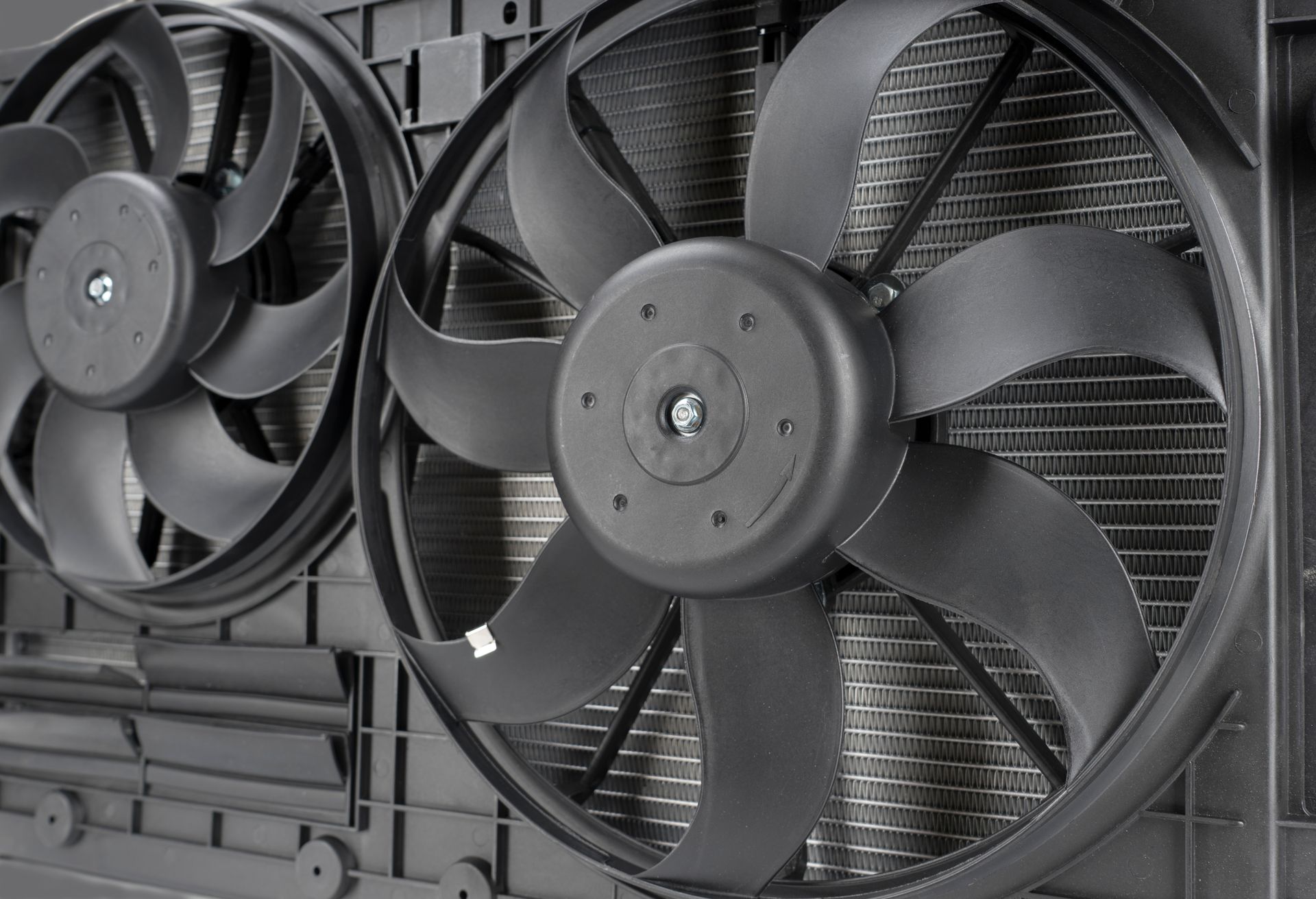
Engines are designed to run in a temperature window. If a thermostat is stuck open, the engine may never reach proper temperature, and that affects fueling strategy and drivability. If it runs too hot, the engine may protect itself and feel flat.
We look at warm-up time and stable operating temp behavior. Temperature issues can cause a cascade of drivability complaints that seem unrelated until the data is reviewed.
9. Exhaust Restrictions And Converter Efficiency Issues
A restricted exhaust can make the engine feel like it cannot breathe. Power can fade as RPM rises, and the car may feel okay at low speed but struggle on hills.
We compare sensor data and look for patterns that suggest backpressure problems. This is especially important when the complaint is loss of power without an obvious misfire.
10. Transmission Behavior That Feels Like Engine Trouble
Some drivability complaints are not engine problems at all. A slipping transmission, delayed engagement, or torque converter clutch shudder can feel like hesitation or roughness.
We separate engine RPM behavior from vehicle speed behavior and look for clues that the drivetrain is the issue. It keeps the fix focused and prevents chasing engine parts unnecessarily.
How We Turn Tests Into A Clear Repair Plan
Once the likely cause is identified, we confirm it with targeted checks. That might include smoke testing for leaks, coil testing, fuel pressure testing, or verifying sensor response under specific conditions. The goal is to fix the true root cause once, not replace parts until the symptom changes.
A drivability analysis also helps prioritize. Some issues are urgent, like strong misfires, fuel smells, or overheating behavior. Others can be scheduled without stress. Knowing the difference is what keeps the repair plan realistic.
Get Engine Drivability Testing In Fort Lauderdale, FL, With Layton's Garage
Layton's Garage in Fort Lauderdale, FL, can run a full drivability analysis, pinpoint the cause of hesitation, rough idle, or power loss, and recommend the right fix based on verified results.
Schedule a visit and get a clear answer instead of guesswork.