You start your car in the morning and catch a gasoline smell before you even back out. The engine may run normally, which makes it feel confusing, like it could be nothing. Sometimes the smell fades once you start driving, then comes back the next day.
That pattern is common, and it usually has a specific cause.
Why It Smells Strongest On Cold Starts
At cold start, the engine typically runs a slightly richer mixture for a short time, so there may be a bit more fuel vapor around the intake and exhaust. If everything is sealed and working correctly, you should not smell raw gas in or around the cabin. When you do, it often means fuel vapor is escaping somewhere and pooling while the car sits.
Morning air is cooler and denser, so smells linger longer near the ground and around the front of the vehicle. If you park in a garage, vapors can hang around and seem stronger the next time you open the door. Regular maintenance helps here because you're more likely to notice when a normal start suddenly smells different.
Small Fuel Leaks Around The Engine Bay
A tiny seep in the engine bay can smell strong even if it never leaves a drip on the driveway. Rubber fuel lines, clamps, and seals can harden with age, then leak a small amount when temperatures change overnight. Once the engine warms up, the leak may seal itself just enough to reduce the smell.
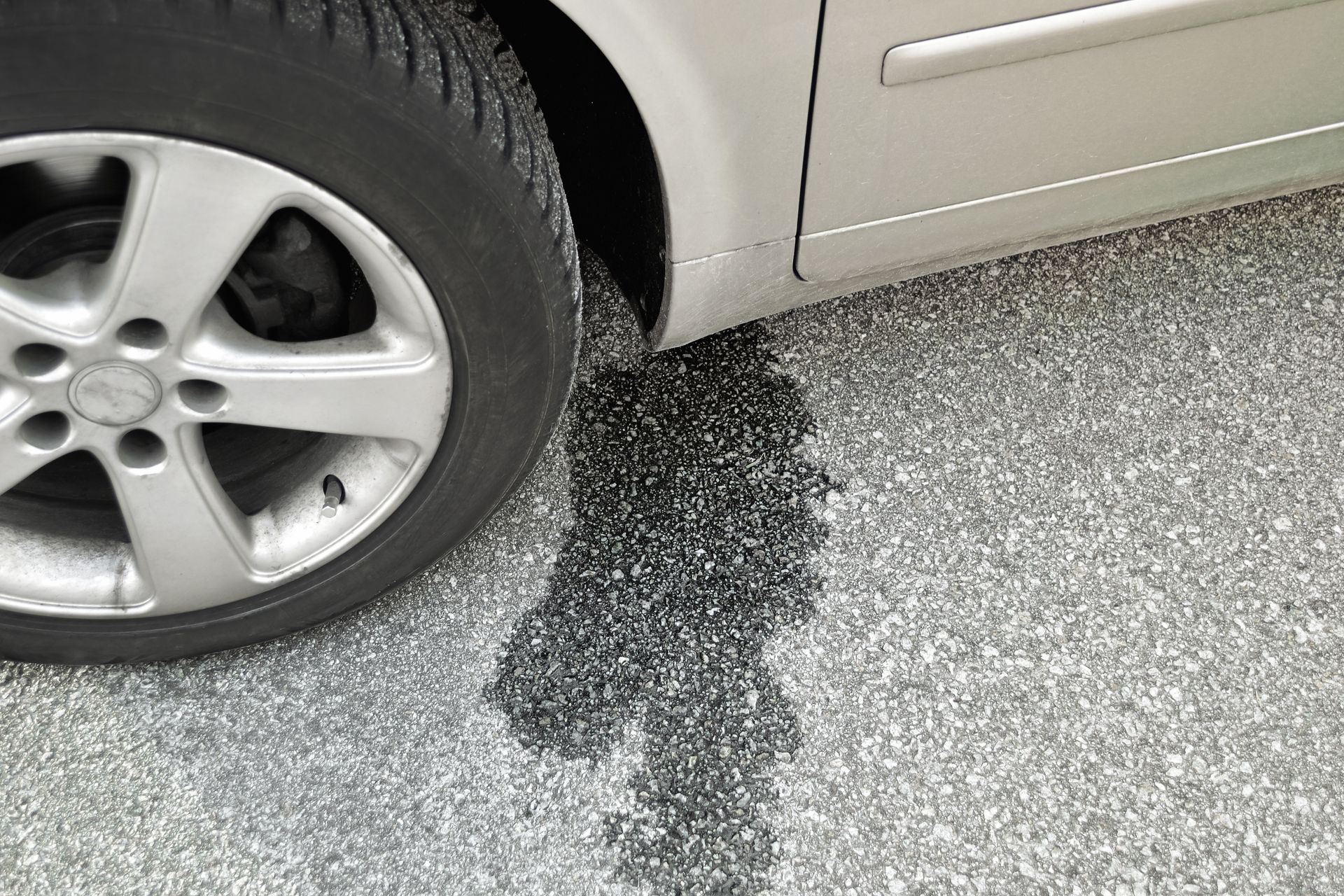
Pay attention to where you notice it first. If the odor is strongest near the hood and fades while driving, a small leak up front is high on the list. If you ever see dampness around a fuel line or the fuel rail area, treat it as a real sign, not just a little sweat.
Leaky Injectors And Fuel Pressure Issues
Fuel injectors can seep when the car is off, especially if an injector seal is tired or an injector is not closing as cleanly as it should. That can leave fuel sitting in places it shouldn't, and you smell it most at the next start. Sometimes you'll also notice a slightly longer crank or a brief stumble that clears quickly.
Fuel pressure regulators can contribute too, depending on the design. If pressure bleeds down overnight or the regulator leaks internally, the system can behave oddly at first start and create extra vapor. This is one of those issues where the car can still drive fine most of the time, while the smell keeps returning.
EVAP System Problems After Refueling
Your EVAP system is designed to trap fuel vapors and burn them later, instead of letting them vent to the air. If a purge valve sticks partially open, vapors can get pulled into the engine at the wrong time, and the smell can be strongest right after startup. Loose connections, cracked vapor lines, or a weak seal in the system can also let vapors escape while the car sits.
A quick clue is timing. If you notice the smell mostly after filling up, or you smell it more strongly near the rear of the car, EVAP leaks rise on the suspect list. A fuel cap that isn't sealing correctly can trigger this too, even if the cap seems tight.
Exhaust Leaks That Pull Fumes Into The Cabin
Not every fuel smell is a fuel leak. An exhaust leak near the engine can let fumes escape before they pass through the catalytic converter, and those fumes can smell fuel-like on a cold start. If the leak is near the firewall or under the hood, airflow can pull that smell into the cabin through the fresh-air intake.
These leaks can be tricky because they may be quieter when cold and more noticeable once the metal expands. If you hear a ticking sound at startup that fades as the engine warms, that can fit this pattern. The important part is that fumes inside the cabin are never something to ignore, even if the vehicle seems to drive normally.
What To Check Before You Drive Off
Start simple and use your senses. Note whether the smell is strongest at the front of the car, near the rear, or only inside the cabin with the fan running. Also pay attention to whether it happens after refueling, after the car sits overnight, or during the first minute of idling.
If you see any wet spots or shiny, damp areas under the hood, don't keep restarting the car, hoping it goes away. Avoid parking near open flames, and don't run the heater or defrost on high if you're getting fumes in the cabin. If the smell is strong or persistent, it's smarter to have it checked before the next morning starts.
Get Fuel Smell Help In Fort Lauderdale, FL, With Layton's Garage
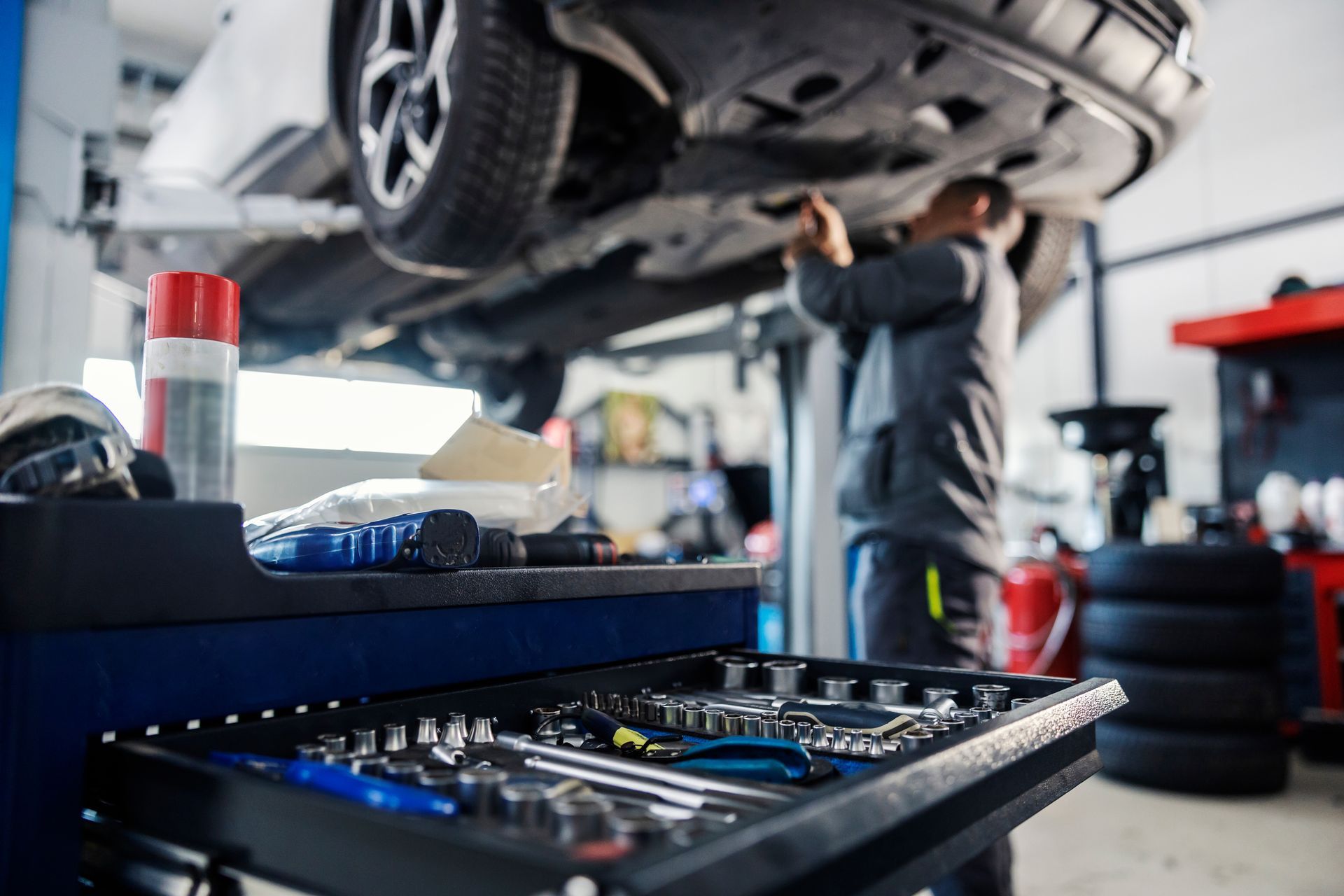
Layton's Garage can track down whether the odor is coming from a small fuel seep, an EVAP issue, or an exhaust leak near the engine, then recommend a fix that makes sense for what we find. We'll start with an inspection focused on the most common leak points and the conditions that cause the smell to appear in the morning.
Get it checked now so your first start of the day feels normal again.