A clunk when shifting from Park to Drive can be unsettling because it feels like something is loose or about to break. Sometimes it happens only once in a while. Other times it becomes a consistent thud you feel through the seat and steering wheel. The cause can be as small as normal drivetrain slack or as serious as a worn mount that lets the engine move too much.
The key is figuring out what kind of clunk you have and when it happens.
What That Clunk Often Represents
When you shift from Park to Drive, the drivetrain takes up slack. The transmission engages, the engine applies torque, and the mounts and joints settle into load. A mild, single clunk can be normal on some vehicles, especially when shifting quickly without pausing in neutral or when the vehicle is on a slight incline.
A harder clunk that you can feel strongly is usually a sign of excess movement or wear. It can also be a sign of driveline components shifting because something is loose. If the clunk started recently or is getting louder, it is worth checking before it turns into a bigger issue.
Engine And Transmission Mount Wear
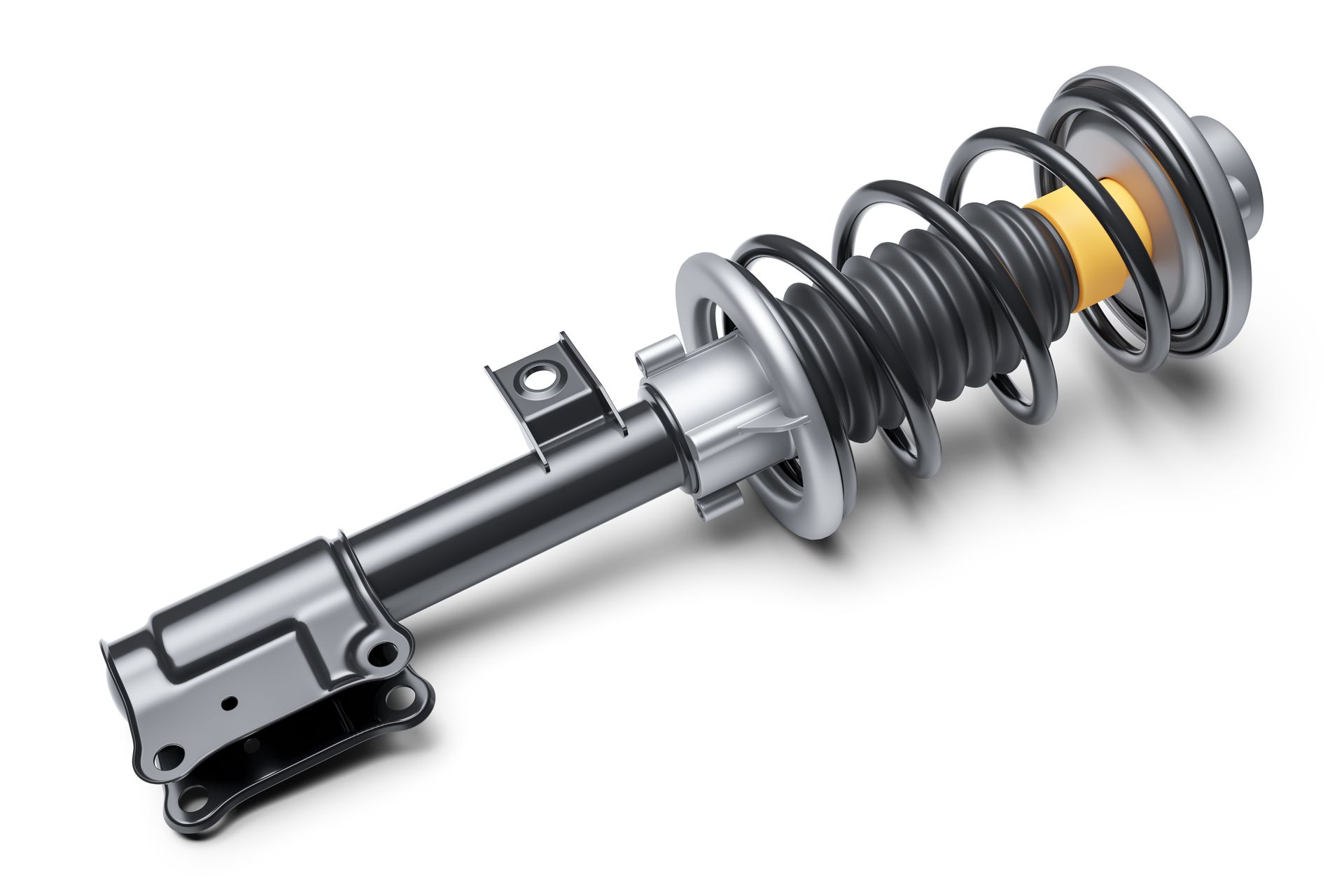
Mounts are designed to control how much the engine and transmission move when torque is applied. When mounts soften or crack, the engine can rock more than it should during engagement. That extra movement can create a clunk that is felt as the drivetrain loads up.
You may notice other clues with mount wear, like vibration at idle or a thump when shifting from Reverse to Drive. In some cases, you can also feel the drivetrain shift during acceleration and deceleration. Mounts wear gradually, so the clunk often gets more noticeable over time.
Drivetrain Slack And CV Joint Issues
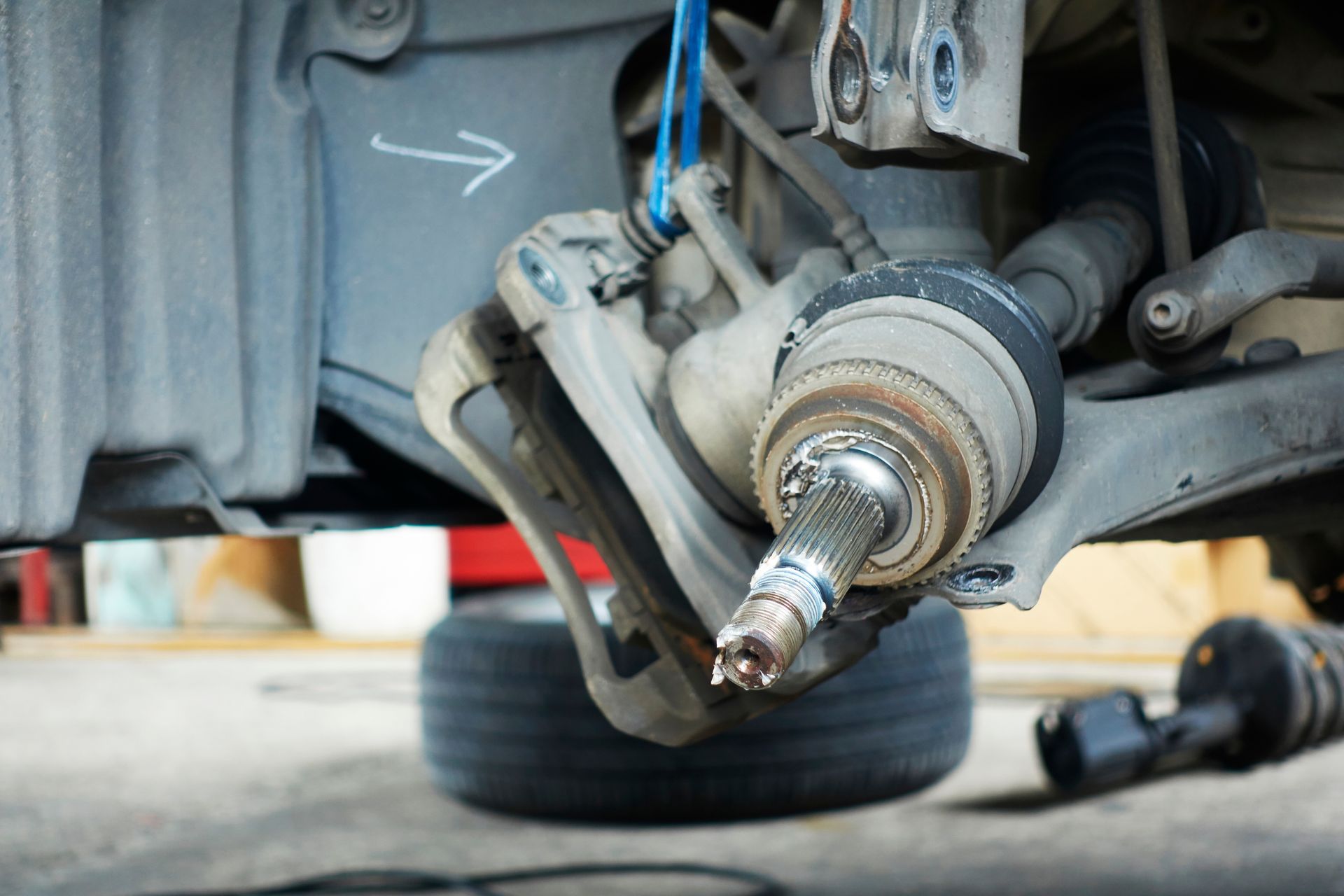
CV joints and axles can develop play, especially on higher mileage vehicles. A worn inner CV joint can create a clunk when torque is applied, and it can also create a knock during acceleration. If the clunk is stronger when turning or when backing out of a driveway, CV joint wear moves up the list.
Driveshaft and u-joint setups can also clunk if joints have developed some play. This is more common on vehicles with rear-wheel drive or all-wheel drive drivetrains. A single clunk during engagement can come from normal slack, but repeated clunks or vibration suggest wear that should be inspected.
Transmission Behavior And Fluid Condition
A harsh engagement can also cause a clunk. If the transmission is engaging too aggressively, it can feel like a drivetrain thud. This can be related to fluid condition, shift adaptation, or internal wear, depending on the transmission type.
If the engagement feels delayed and then bangs into gear, that pattern is especially important. It can point toward pressure control issues or a fluid level problem. Regular maintenance always helps because keeping the correct fluid and addressing leaks early can prevent harsh engagement patterns.
Parking On An Incline And The Park Pawl Effect
If you park on a hill and let the vehicle rest on the transmission park pawl, you can get a louder clunk when shifting out of Park. The vehicle's weight loads the drivetrain, and the release can feel like a thunk. This is often worse when you do not use the parking brake before shifting into Park.
A simple habit can reduce this: hold the brake, set the parking brake firmly, then shift into Park. That takes weight off the pawl. If the clunk is mostly on inclines and not on flat ground, this habit often makes a noticeable difference.
When The Clunk Needs Prompt Attention
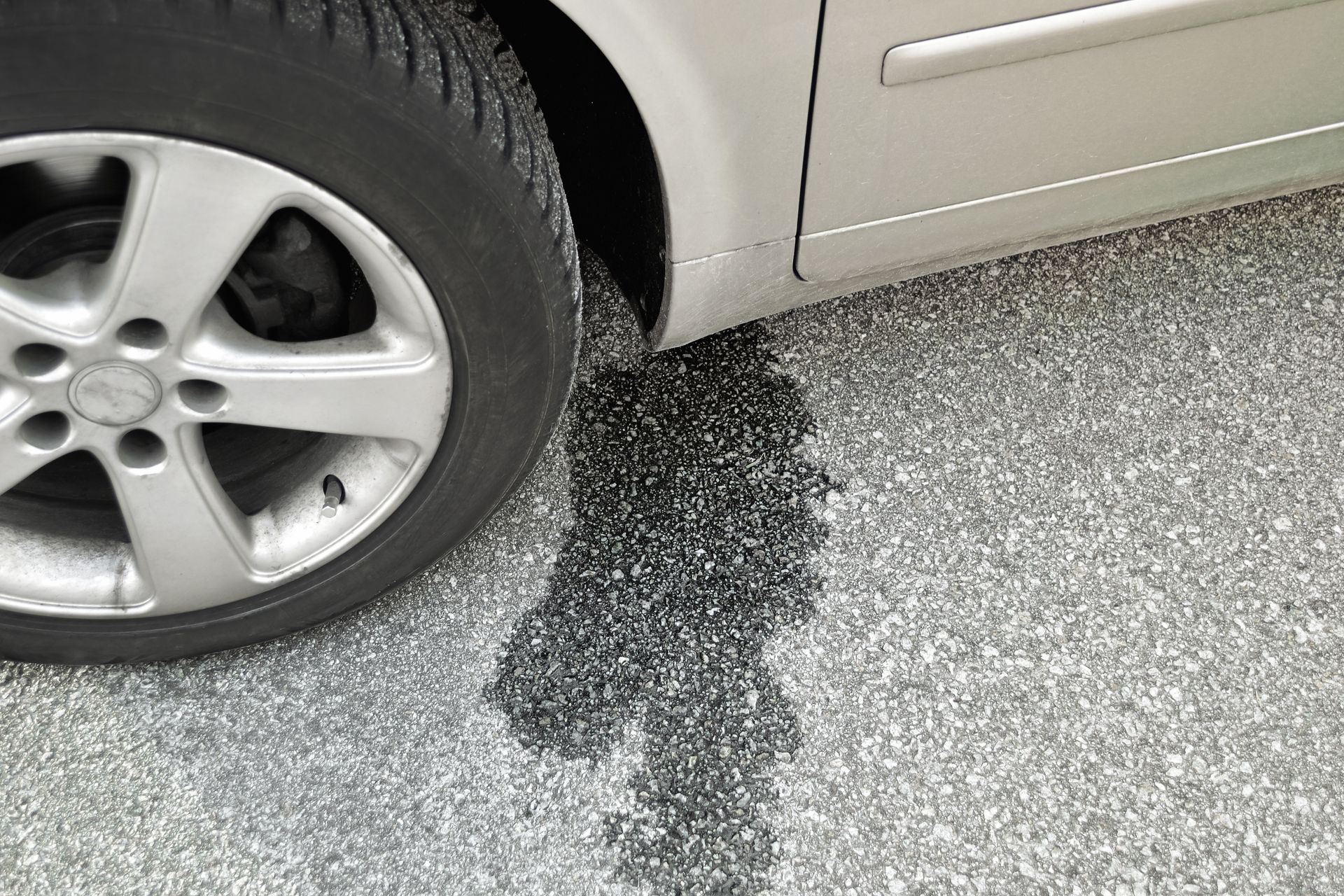
A one-time clunk with no other symptoms can be normal. A clunk that is getting louder, happening in multiple gear changes, or paired with vibration or shudder is more concerning. If you also notice a delay when shifting, a harsh bang, or a new leak under the vehicle, it is time to have it inspected.
Pay attention to whether the clunk happens only from Park to Drive, or also from Reverse to Drive, or during acceleration. The broader the symptom, the more likely something is worn rather than just normal slack. A focused inspection can prevent a small wear issue from turning into a driveline repair later.
How We Pinpoint The Source
We start by confirming the pattern and checking for movement at mounts and drivetrain components. Then we inspect axles, joints, and related hardware for play. If transmission behavior is suspected, we check fluid condition and scan for any stored information related to pressure control and shift behavior.
The goal is to identify where the movement is happening and why. Once we know what is shifting, the fix is usually straightforward, whether it is a mount, a worn joint, or a habit adjustment for parking on an incline.
Get Drivetrain Inspection In Fort Lauderdale, FL, With Layton's Garage
Layton's Garage in Fort Lauderdale, FL, can pinpoint why you are hearing a clunk when shifting and recommend the right fix based on what is actually moving.
Book a visit and get smoother, more confident gear changes.