Tires are easy to take for granted because they do their work quietly. You get in, drive to work, run errands, hit the highway, and rarely think about the rubber touching the road. Then one day the car pulls, the tire light comes on, or the tread looks lower than you expected.
Tire condition affects braking, steering, fuel economy, ride comfort, and how the vehicle handles rain. A few simple checks can tell you a lot before tire wear turns into a safety concern or an unexpected replacement.
Why Tire Tread Depth Is So Important
Tread depth is what helps your tires grip the road and move water out from under the tread. When the tread gets too low, the tire has less grip on the road, especially in the rain or during hard braking. That can increase stopping distance and make the vehicle feel less secure.
A tire does not need to be completely bald to be worn enough to cause problems. As the tread gets shallow, wet-road grip drops. The vehicle may still feel fine on dry pavement, then feel nervous when the road gets slick. That is why tread depth should be checked before the tire appears obviously worn.
How To Read Tire Wear Patterns
Tread depth is only part of the story. The way a tire wears can tell you what the vehicle has been doing. Wear on both outer edges can point toward low air pressure. Wear in the center can point toward overinflation. One edge wearing faster than the other can point toward alignment or suspension trouble.
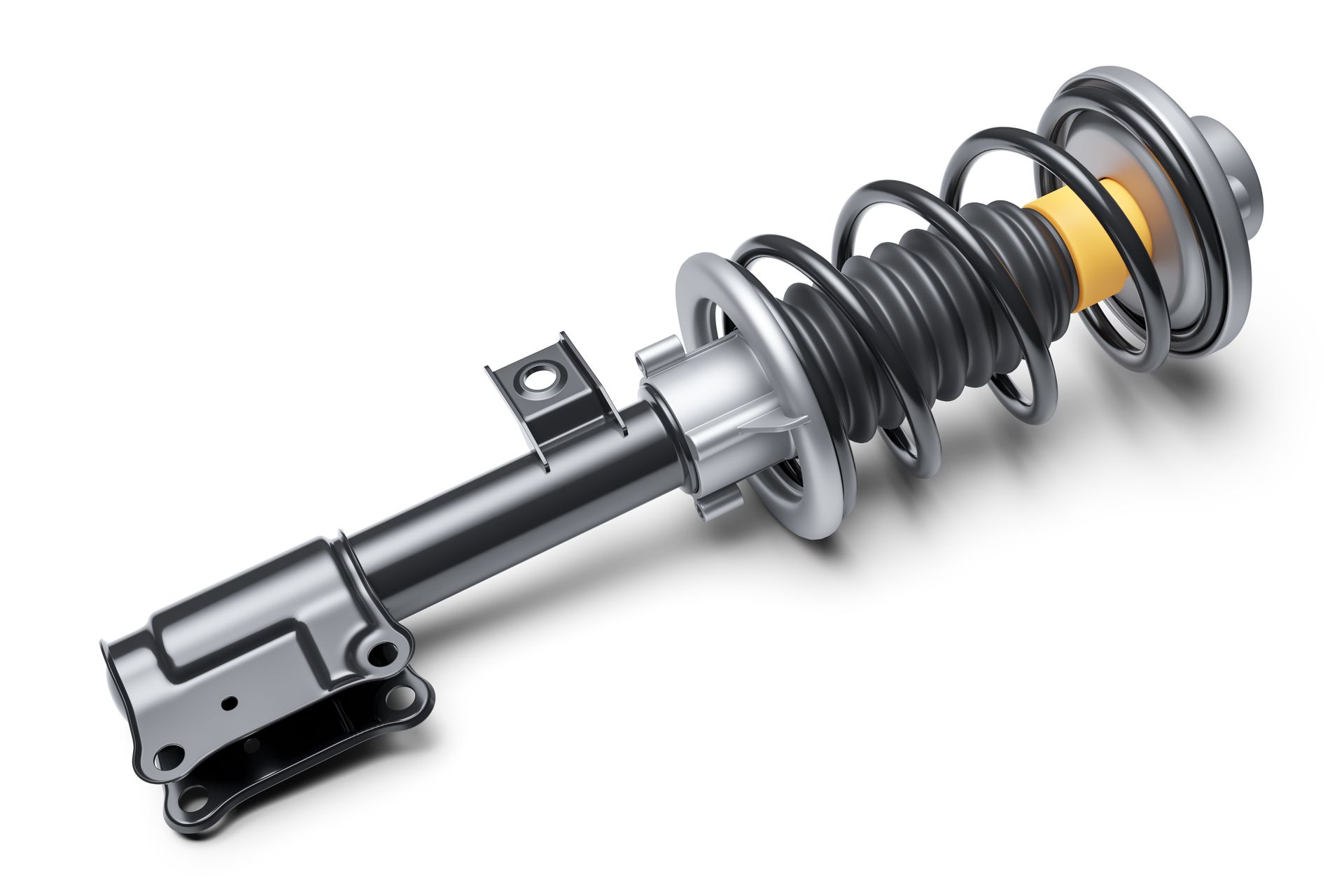
Cupping, scalloping, or patchy wear can suggest worn shocks, struts, loose suspension parts, or balance issues. Our technicians look at the pattern, not just the remaining tread. A tire can still show tread and tell you something is wrong underneath the vehicle.
Air Pressure Changes More Than Most Drivers Think
Proper air pressure helps the tire keep its shape on the road. When pressure is low, the tire flexes more, builds extra heat, wears faster, and can make the vehicle feel heavier. Low pressure can also reduce fuel economy because the engine has to work harder to roll the car down the road.
Too much pressure creates a different problem. The tire can ride more on the tread center, wear unevenly, and feel harsher over bumps. The right pressure is not the number on the tire sidewall. It is the pressure listed on the vehicle’s door placard.
Why Tire Pressure Drops With Temperature
Cooler weather can cause tire pressure to drop. That is why many drivers see the tire pressure light come on after a temperature change. The tire might not have a puncture. The air inside contracts as temperatures fall.
That does not mean the warning should be ignored. A tire that was already a little low can drop so far that it affects wear and handling. It is smart to check all four tires with a gauge and adjust them when the tires are cold. Driving heats the tires and can make the reading less accurate.
When The TPMS Light Comes On
The tire pressure monitoring system warns you when one or more tires are low, but it should not be the only time tire pressure gets checked. The system usually alerts after pressure has already dropped below a set point. A tire can be slightly low and wear poorly before the light appears.
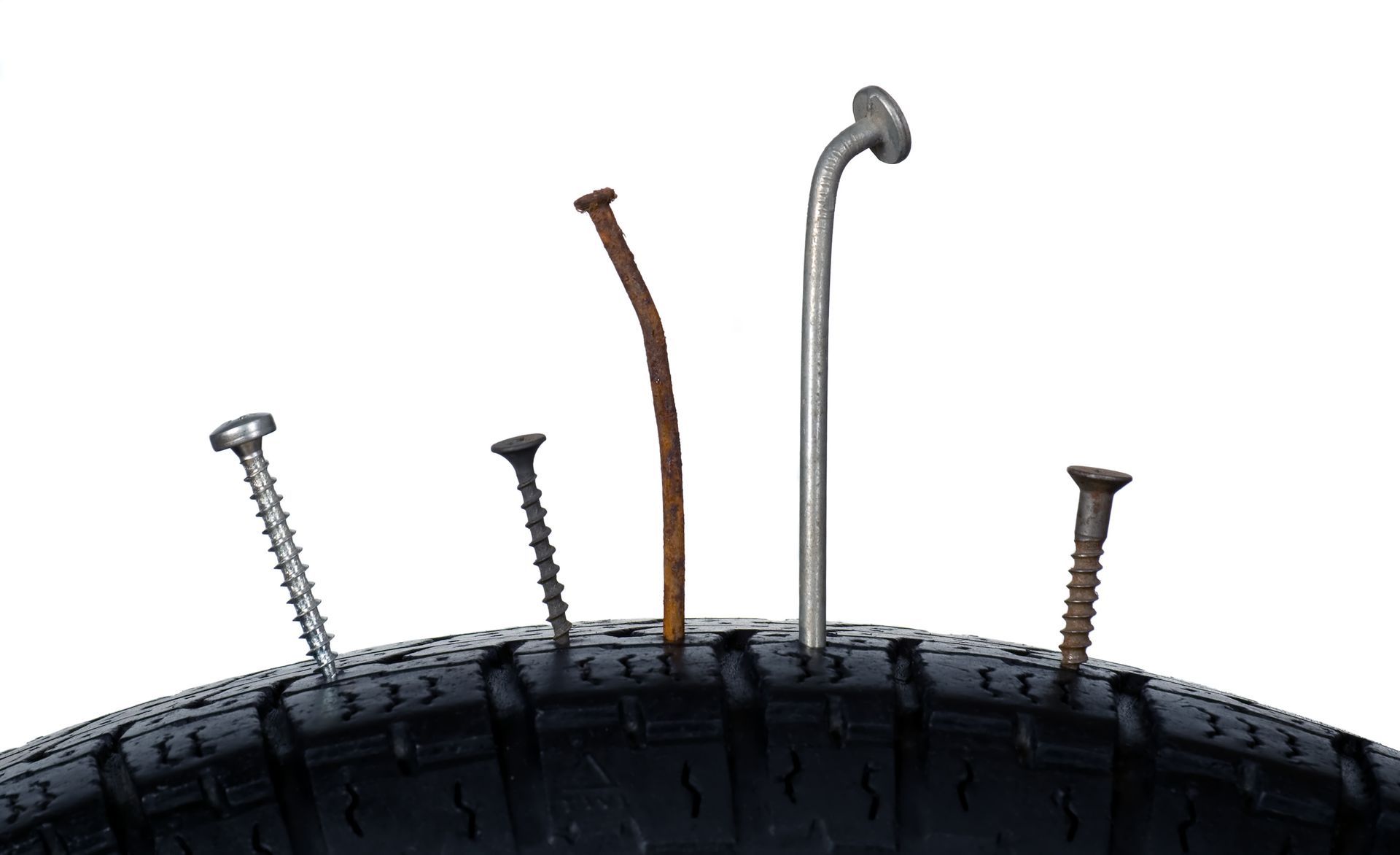
If the TPMS light keeps returning after adding air, there may be a slow leak, a damaged valve stem, a nail in the tread, a wheel issue, or a sensor problem. We check the tire, valve, wheel, and pressure readings to find out whether the problem is air loss or a monitoring system fault.
Tire Rotation Helps The Tires Last Longer
Tires do not wear at the same rate in every position. Front tires usually handle more steering and braking force. Depending on the vehicle, drivetrain, and driving habits, one pair can wear faster than the other. Rotation helps spread that wear across the set.
Skipping rotations can shorten tire life and create noise or vibration. Once a tire develops an uneven wear pattern, rotating it may not fully correct the problem. Regular maintenance helps keep wear balanced before the tread pattern gets too far out of shape.
Do Not Ignore Tire Age
Tread depth is important, but age counts too. Rubber dries and hardens over time, even if the tire still has tread left. Cracks in the sidewall, cracking between tread blocks, or a tire that looks dry and weathered should be taken seriously.
This is especially important for vehicles that are not driven much. Low mileage does not always mean the tires are safe. A tire inspection can show whether the issue is tread wear, age, damage, air pressure, or alignment-related wear.
Get Tire Service In Fort Lauderdale, FL, With Layton's Garage
If your tires are wearing unevenly, losing air, showing low tread, or triggering the TPMS light, Layton's Garage in Fort Lauderdale, FL, can check the tires and help you decide what needs attention.