Air conditioning problems have a way of showing up slowly. The air is still cool enough to get by, the vents still blow, and the system seems good enough for one more week. That is what makes A/C issues easy to put off. By the time the difference feels obvious, the fix is not always as simple as drivers hoped.
A weak A/C system does not automatically mean the same thing every time. Some vehicles need a basic refrigerant service, while others already have a leak, a worn component, or an airflow problem that a recharge will not solve.
What An A/C Recharge Actually Does
An A/C recharge restores the refrigerant level in the system when it has dropped below its proper level. Refrigerant is what allows the system to remove heat from the cabin air, so low refrigerant can lead to warmer vent temperatures and longer cool-down times. If the rest of the system is in good shape, restoring the correct charge can improve performance.
The part many drivers miss is that refrigerant does not get used up like fuel. If the level is low, there is usually a reason. A recharge can help in the short term, but if the system is leaking or another component is failing, the same problem usually comes back.
When A Recharge May Be Enough
If the A/C is still blowing fairly well but not as cold as it used to, with no strange noises, no major airflow issues, and no obvious signs of system failure, a recharge may be part of the answer. Some drivers notice the system takes longer to cool the cabin or struggles more in traffic than at highway speeds.
That said, even in these cases, the system should still be checked properly. A refrigerant service makes the most sense when the rest of the system is operating normally, and the issue is truly tied to a low charge rather than a larger mechanical or electrical problem.
Signs Your Vehicle Likely Needs A/C Repair
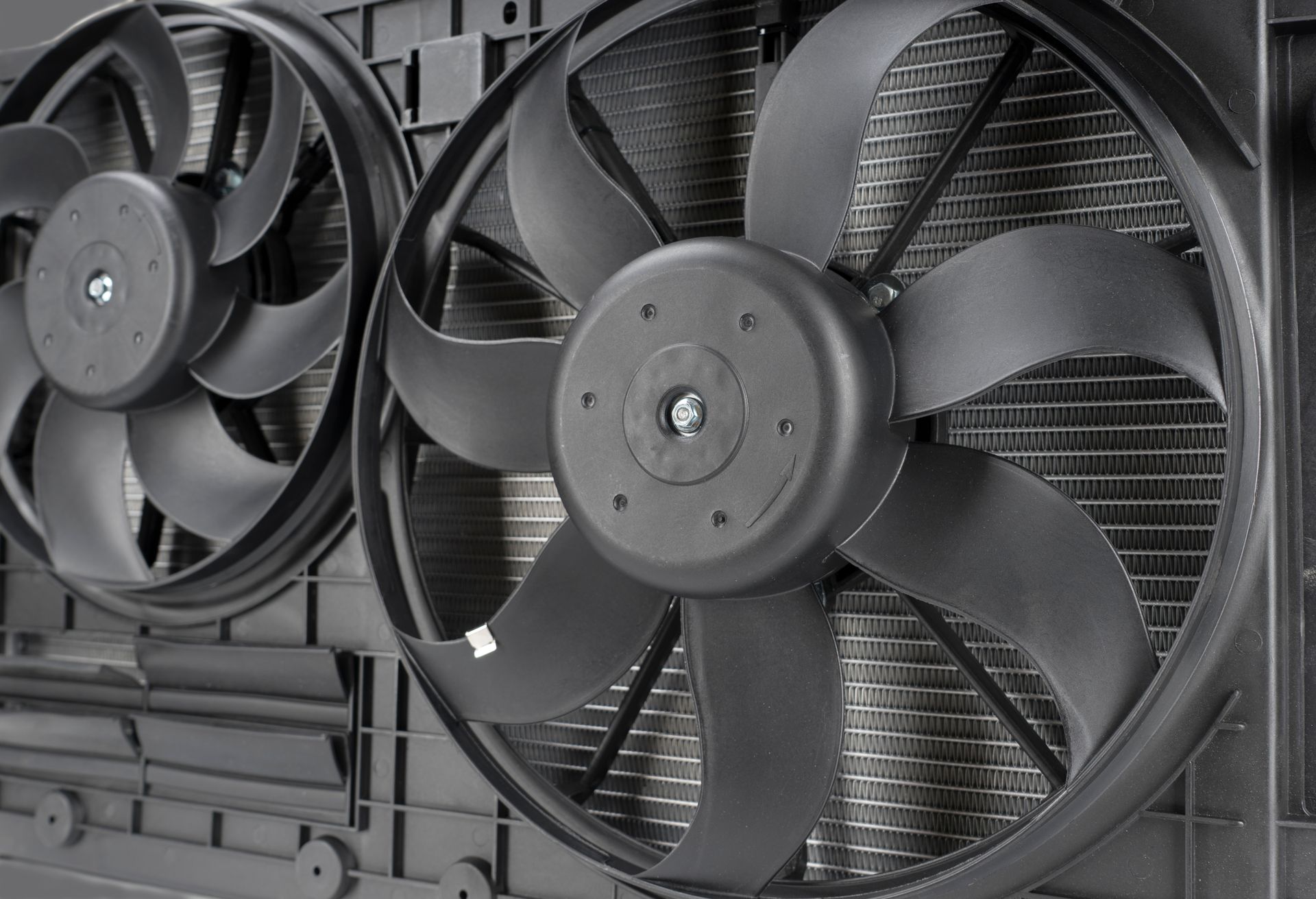
Warm air all the time, weak airflow, strange clicking or grinding noises, or a system that cuts in and out are all stronger signs that repair is more likely than a simple recharge. The same goes for an A/C that works one day and barely cools the next. Those changes usually point toward leaks, compressor trouble, pressure issues, fan problems, or electrical faults.
A musty smell or moisture problem inside the cabin can also push the issue beyond the refrigerant level alone. If the blower is weak, the cabin air filter is restricted, or the airflow doors are not moving correctly, adding refrigerant will not fix what you feel at the vents.
Low Refrigerant Usually Means There Is A Leak Somewhere
One of the biggest reasons drivers spend more than they should on A/C service is that they treat repeated low refrigerant like normal maintenance. It is not. If the system keeps losing charge, something is letting refrigerant escape. That could be a hose, seal, condenser, compressor connection, or another part of the sealed system.
That is why repeated recharges are rarely the smart long-term answer. They may bring cold air back for a while, but the leak remains active. A proper inspection helps confirm whether the system only needs to be brought back to specification or if the refrigerant loss already points to a repair.
Airflow Problems Can Be Mistaken For Cooling Problems
Drivers often focus only on temperature, but airflow is just as important. If the air is cold but weak, the problem may have little to do with the refrigerant. A clogged cabin air filter, a weak blower motor, or a problem with the ventilation doors can make the A/C feel disappointing even when the cooling side is working.
That is where a good inspection really helps. The system has to be looked at as a whole. Cooling performance, airflow strength, pressure readings, and overall operation need to be checked together before deciding whether to recharge or repair.
Why Waiting Can Turn A Small Issue Into A Bigger One
A/C systems rarely improve with time. If the charge is low due to a leak, the leak persists. If the compressor is already struggling, running it under poor conditions can push the repair cost much higher. A weak system in mild weather can feel much worse once outside temperatures rise and the demand on the A/C increases.
That is why regular maintenance is worth more than many drivers think. Catching the issue early gives you a better chance of dealing with a smaller problem before it spreads into compressor damage, electrical issues, or more extensive A/C repairs.
What A Proper A/C Inspection Should Include
A real A/C check should go beyond whether the air feels cold at that moment. Refrigerant level, pressure behavior, compressor operation, condenser and cooling fan performance, airflow strength, and cabin filter condition all deserve attention. The goal is to find out what the system is doing and why.
That kind of inspection gives you a clearer answer than guessing based on vent temperature alone. It helps separate a vehicle that needs refrigerant service from one that already has a leak or component failure developing behind the scenes.
Get A/C Service In Fort Lauderdale, FL, With Layton's Garage
If your A/C is not keeping the cabin comfortable or you are tired of wondering whether it needs a recharge or a real repair, Layton's Garage in Fort Lauderdale, FL, can inspect the system and point you in the right direction.
Getting the answer sooner usually means a cooler car and a simpler repair.