Kia vehicles can be dependable daily drivers, but mileage changes the way any car needs to be cared for. Parts that were quiet at 40,000 miles may start showing wear at 90,000. Fluids that looked fine years ago can break down. Rubber parts, sensors, suspension components, and ignition parts all age in their own way.
That does not mean a higher-mileage Kia is a problem vehicle. It means the maintenance plan needs to become more intentional. Paying attention to small changes early can help prevent repairs from becoming more expensive than they need to be.
Oil Service Becomes More Important With Age
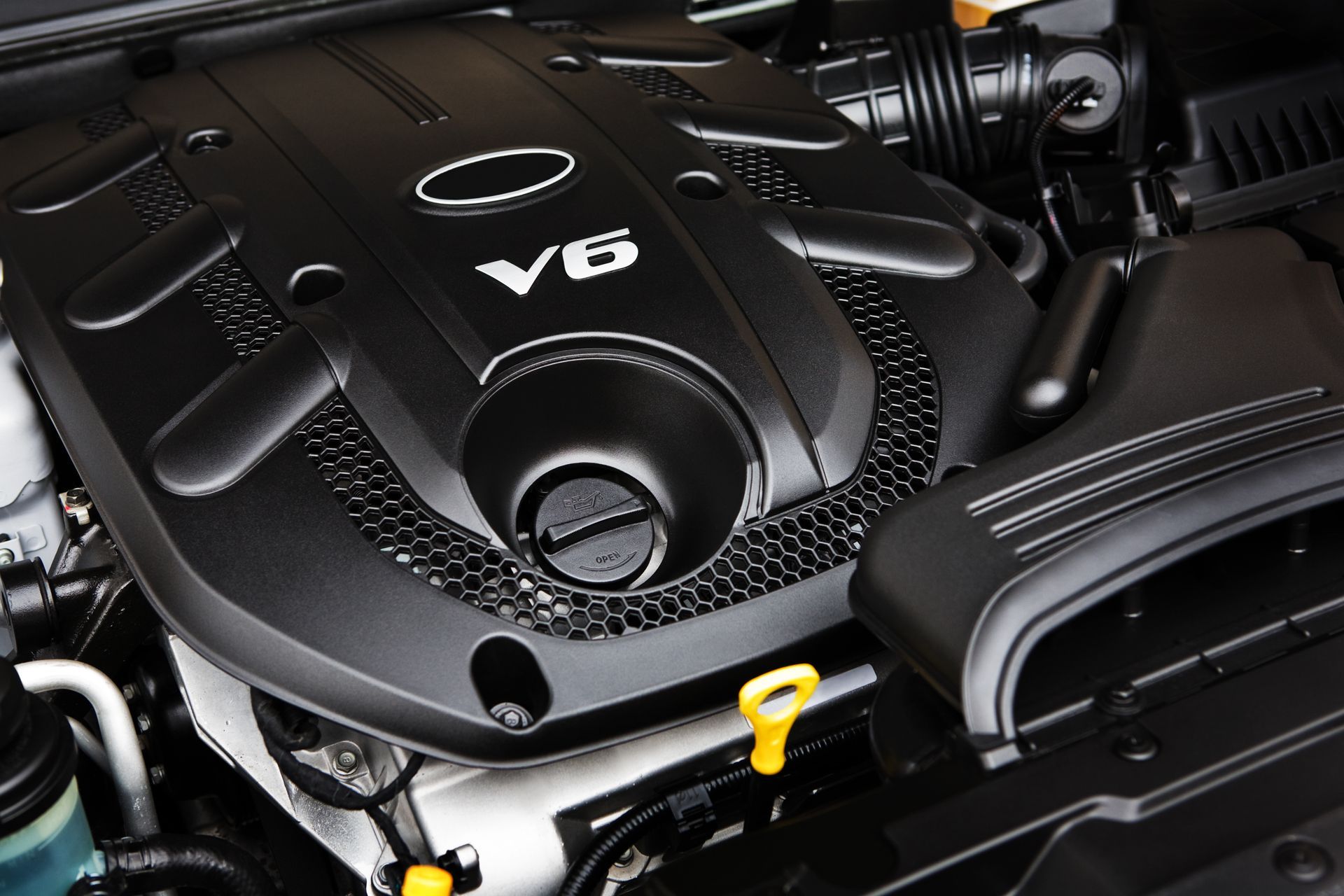
Engine oil does more than reduce friction. It helps control heat, carries contamination away from moving parts, and protects timing components, bearings, camshafts, and other internal surfaces. As mileage increases, clean oil becomes even more important, as older engines can be less forgiving when service is delayed.
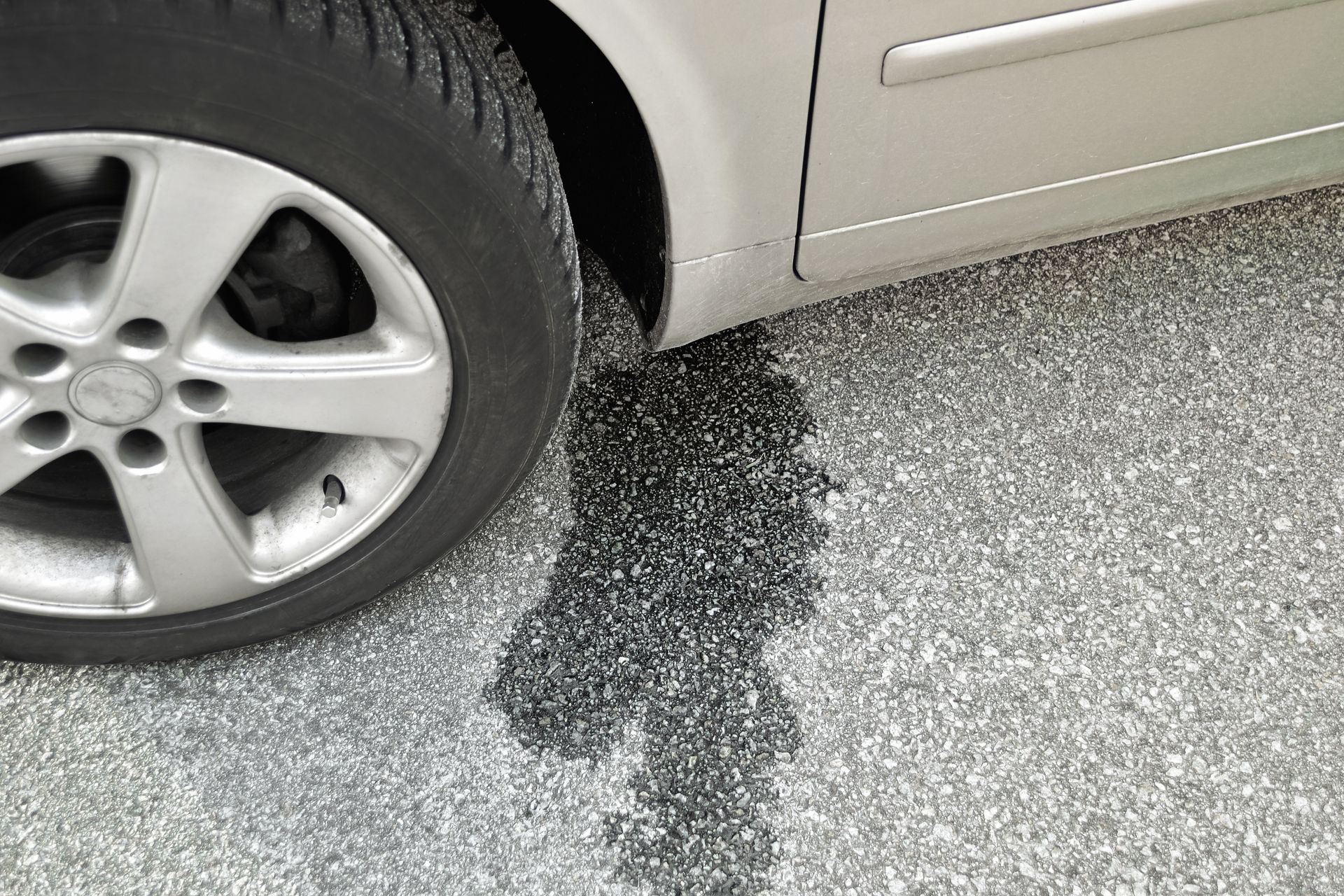
Some Kia engines can also begin using oil between services. That does not always appear as a puddle or as exhaust smoke. The oil level may simply drop faster than expected. Checking the level between oil changes is a smart habit, especially if the vehicle has higher mileage or a history of oil consumption.
Watch For Engine Noise And Rough Running
A Kia engine should not develop new ticks, knocks, rattles, or rough idle without being checked. Some noises are minor, but others can point toward low oil, timing wear, ignition problems, or internal engine concerns. The timing of the noise helps tell the story.
A rattle during startup is different from a knock that gets louder under acceleration. A rough idle can come from spark plugs, ignition coils, air leaks, dirty injectors, or sensor issues. The car may still drive, but new engine behavior should not be treated as normal aging.
Cooling System Problems Need Fast Attention
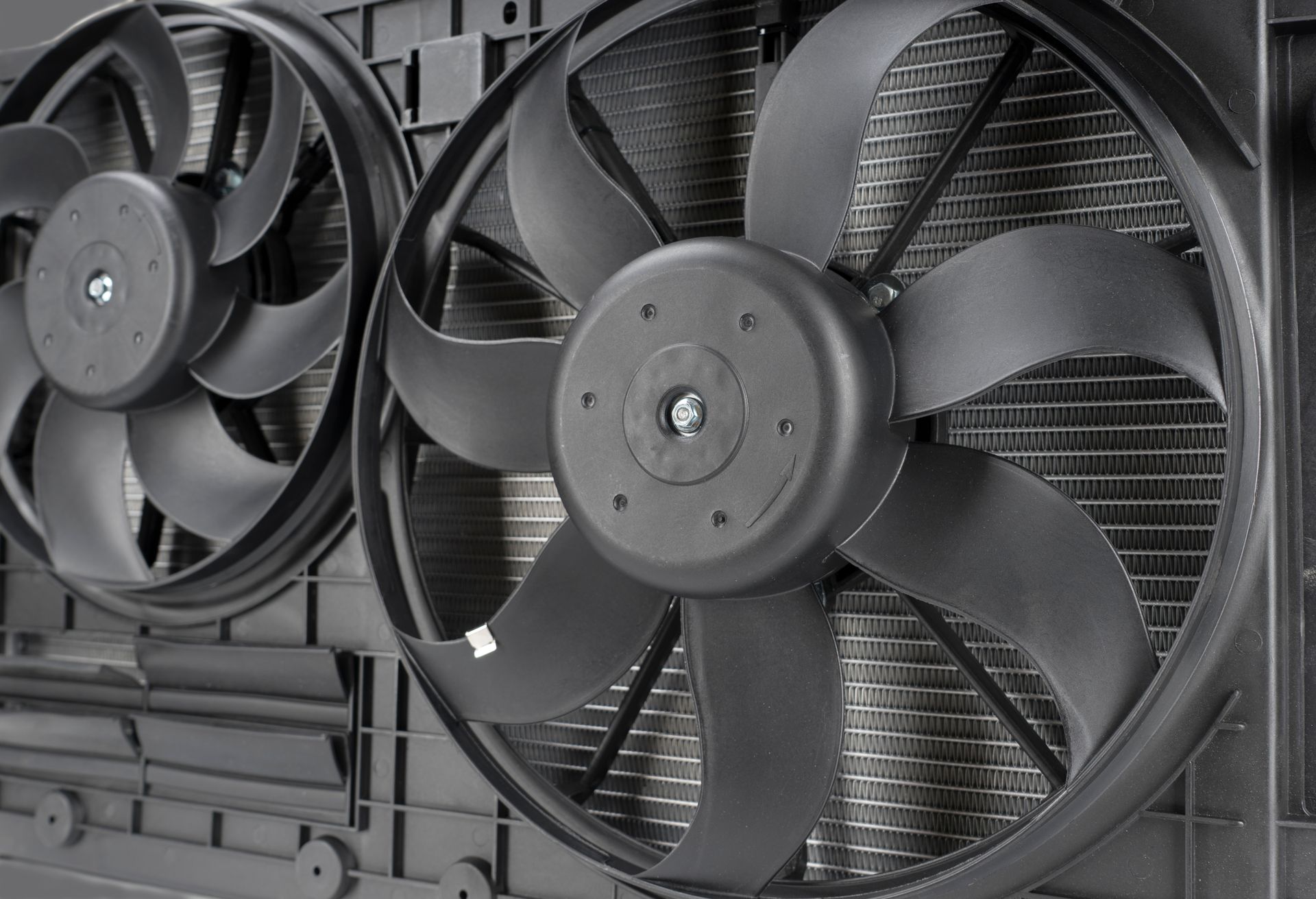
The cooling system protects the engine from heat, and heat can cause serious damage quickly. Hoses, radiators, thermostat housings, water pumps, coolant reservoirs, fans, and pressure caps all endure years of temperature fluctuations. Small leaks can start with a low coolant level, dried residue, a sweet smell, or a temperature gauge that moves higher than usual.
Topping off coolant is only a temporary step. If the level keeps dropping, the system is leaking or losing pressure somewhere. A cooling system inspection can find the cause before overheating leads to head gasket damage or deeper engine repair.
Transmission Service Should Not Be Ignored
As mileage climbs, Kia transmission symptoms deserve attention. Delayed engagement, harsh shifting, slipping, shuddering, or hesitation when accelerating can all point toward trouble. Some concerns are fluid-related. Others involve sensors, mounts, software, clutch control, or internal wear.
Waiting too long can limit repair options. A transmission that is serviced or checked early has a better chance of staying manageable than one that is driven until it barely moves. If the vehicle starts shifting differently, that change deserves testing before the repair grows.
Brakes, Tires, And Suspension Wear Together
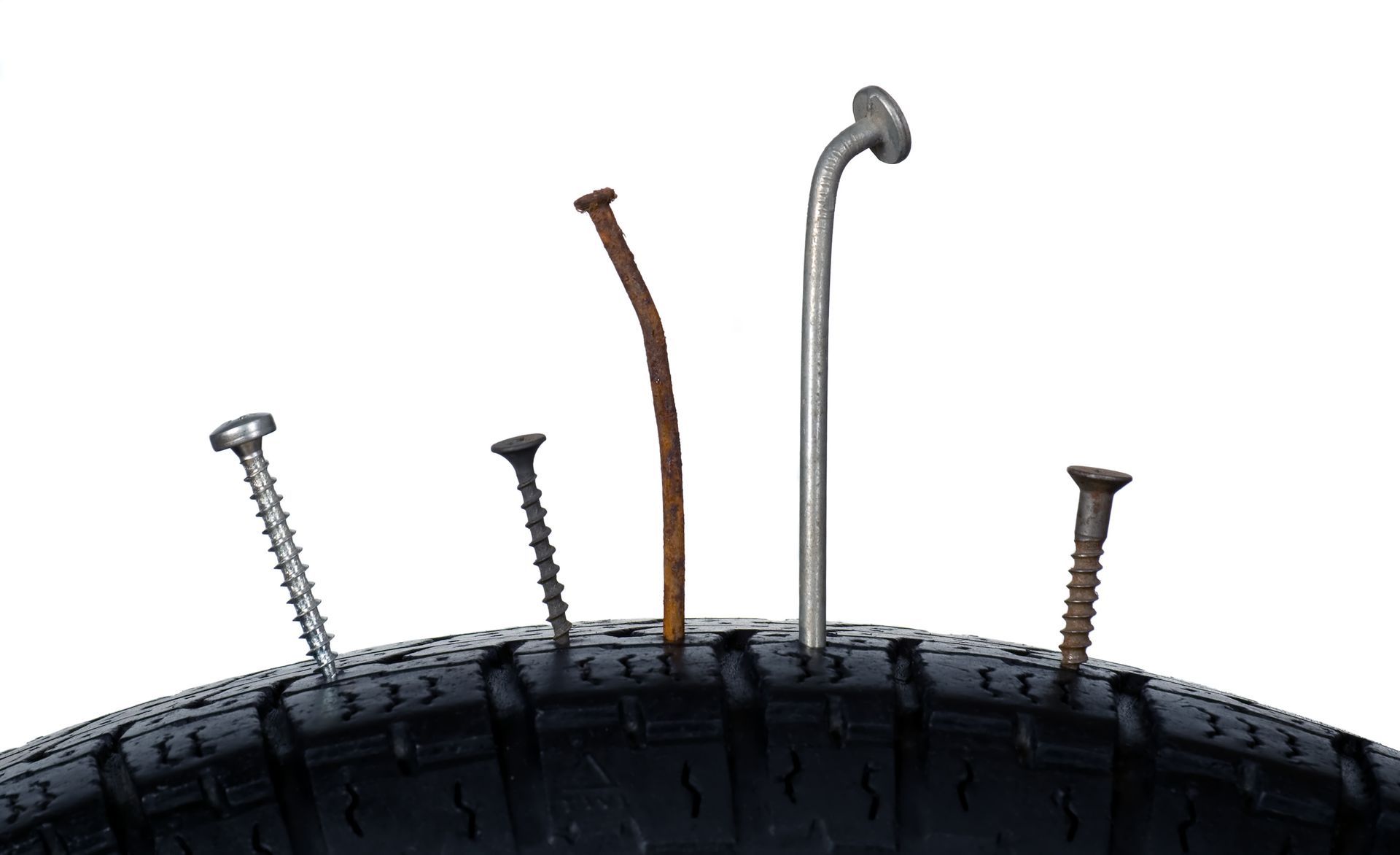
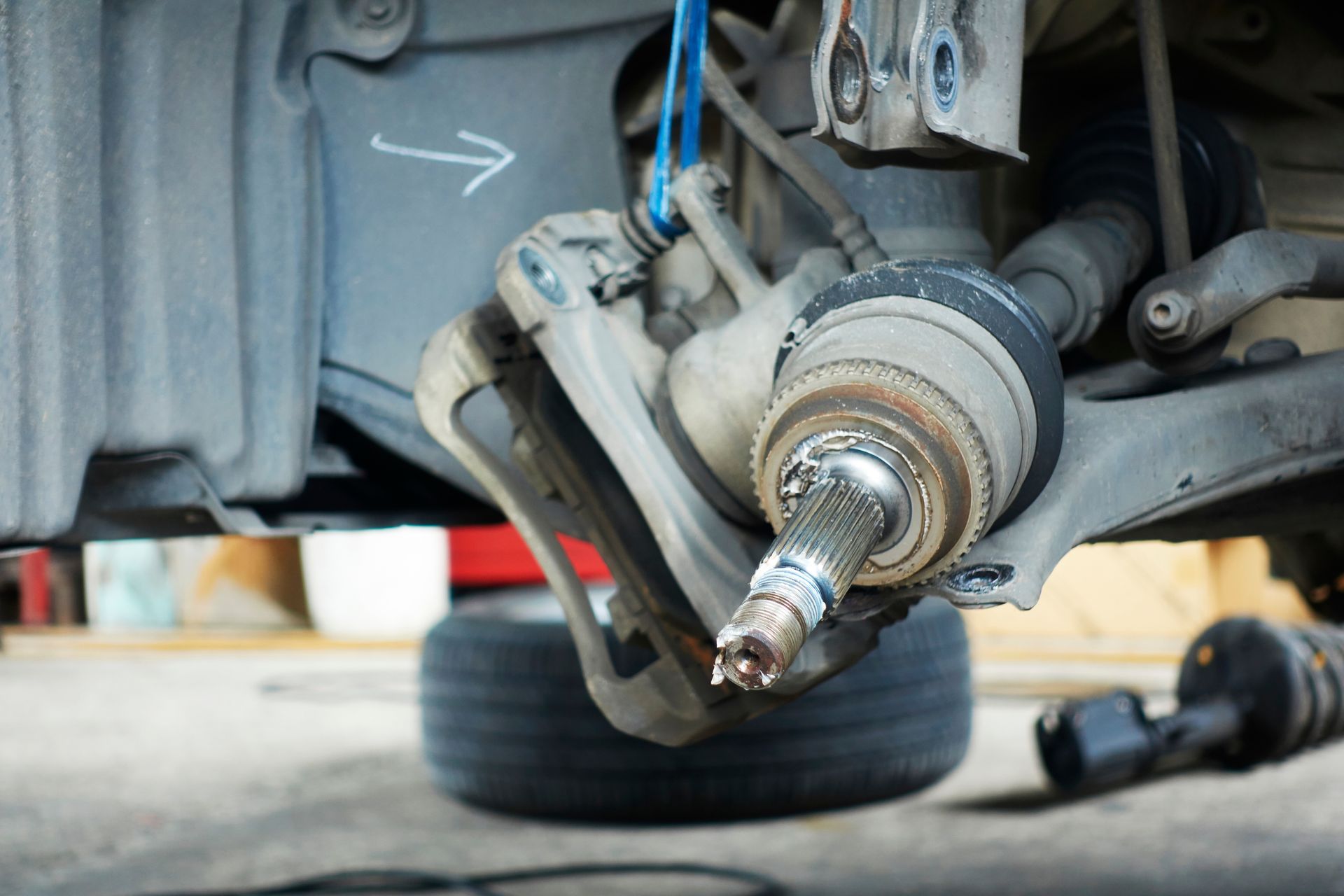
Brakes, tires, and suspension parts all affect how the vehicle feels on the road. Worn brake pads, uneven rotors, sticking calipers, weak shocks, tired struts, loose bushings, and worn steering parts can create symptoms that overlap. A vibration while braking may not be only a brake issue. Uneven tire wear may indicate alignment or suspension issues.
A Kia with mileage can slowly lose its tight feel. The driver may notice clunks over bumps, pulling, squealing brakes, a softer pedal, or tires wearing faster on one edge. Regular maintenance helps catch those signs before one worn part starts affecting several others.
Electrical And Starting Issues Can Be Misleading
Modern Kia vehicles rely on steady voltage and good communication between modules. A weak battery, failing alternator, corroded cable, poor ground, or sensor fault can create warning lights or starting issues that seem unrelated. The car may start fine one day and hesitate the next.
Electrical problems should be tested carefully. A battery can still crank the engine while failing under load. A charging system can work part of the time and fall behind when demand increases. Checking the battery, alternator, cables, grounds, and stored codes helps prevent the wrong part from being blamed.
Why Service History Helps As Mileage Builds
Higher-mileage vehicles are easier to care for when the service history is clear. Records show what has already been replaced, which fluids are due, and which parts have been watched before. Without that information, a shop has to treat more items as unknown.
If you bought a used Kia, it is smart to review the basics. Oil service, coolant condition, transmission service, filters, spark plugs, brakes, tires, and suspension should all be checked. That gives you a better starting point and helps plan repairs instead of reacting to them.
Get Kia Auto Repair In Fort Lauderdale, FL, With Layton's Garage
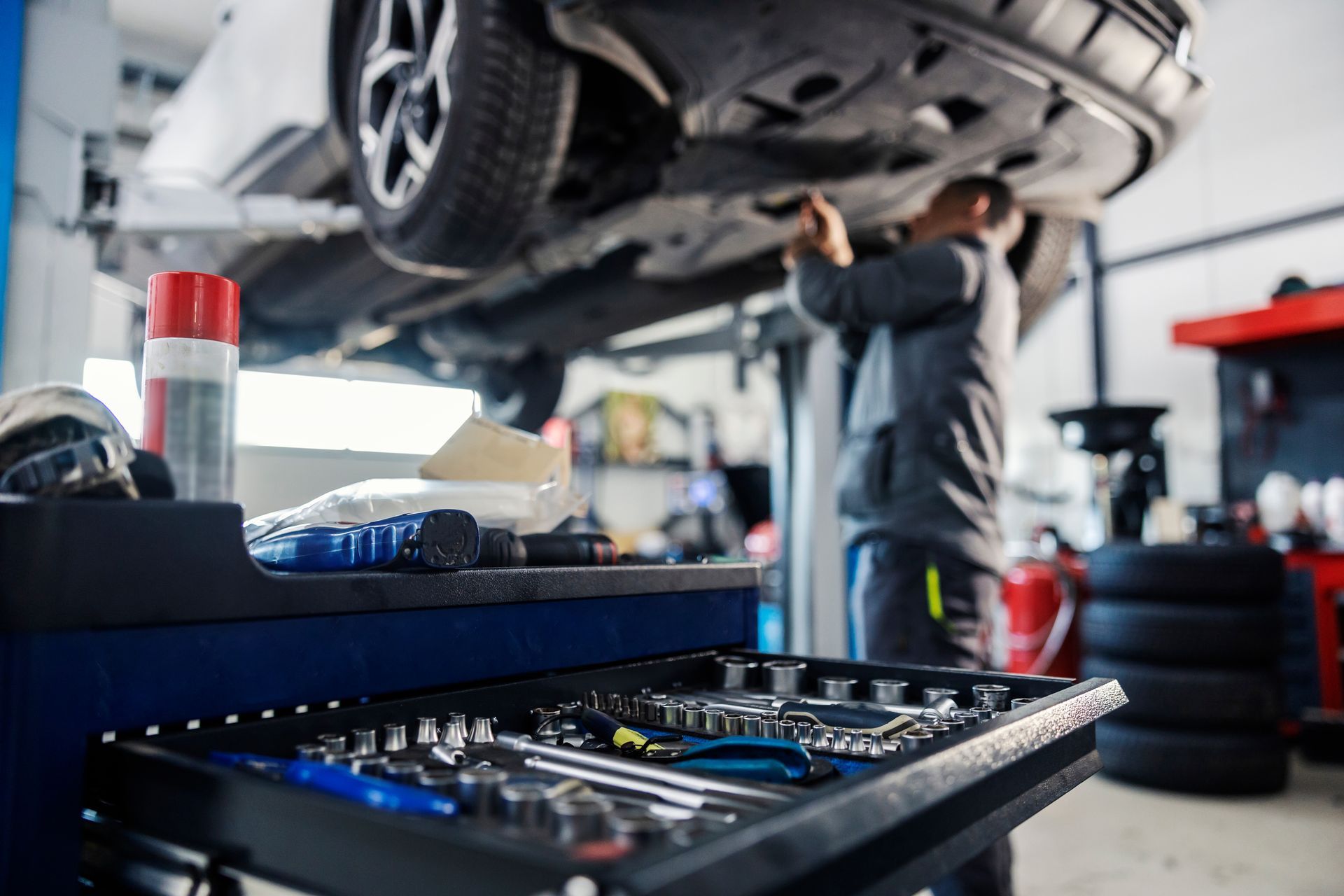
If your Kia has higher mileage, warning lights, shifting changes, leaks, brake noise, or engine symptoms, Layton's Garage in Fort Lauderdale, FL, can check the vehicle and help you understand what needs attention.
To stay ahead of Kia repair needs as mileage adds up, contact us to schedule an appointment.