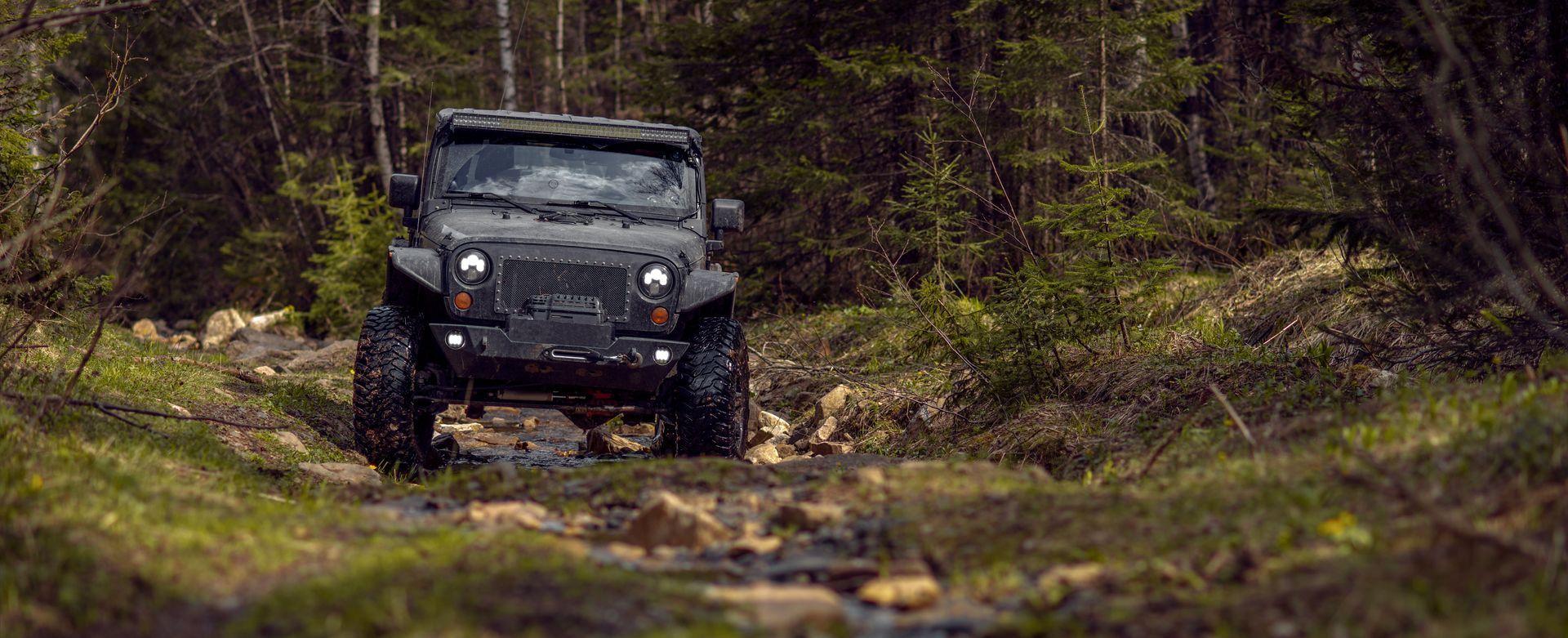
A Jeep has a different personality from most SUVs. Even newer models with quiet cabins and modern features still carry some of that rugged feel people associate with trails, dirt roads, beach access, and rough weather. The steering, ride height, suspension movement, tires, and drivetrain all help create that difference.
That is part of the appeal. Jeep owners usually want something that feels more capable and less plain than a typical crossover. At the same time, that same design can create different maintenance needs, different driving feel, and different repair patterns as mileage adds up.
Jeep Design Starts With Capability
Many SUVs are built mainly for comfort, fuel economy, and daily commuting. Jeeps tend to keep more focus on capability. Depending on the model, that can mean higher ground clearance, available four-wheel drive, skid plates, stronger axle designs, tow hooks, off-road drive modes, and suspension travel meant for uneven terrain.
That design changes how the vehicle feels. A Jeep may sit higher, respond differently to bumps, and give the driver greater awareness of the road or trail beneath. It may not feel as soft or car-like as a crossover, but that is exactly why many drivers choose one.
Four-Wheel Drive Changes The Driving Experience
One of the biggest differences is the drivetrain. Jeep models are known for four-wheel-drive systems that help with mud, snow, sand, gravel, and uneven ground. Some systems are simple and rugged. Others are more advanced, with selectable modes and automatic traction management.
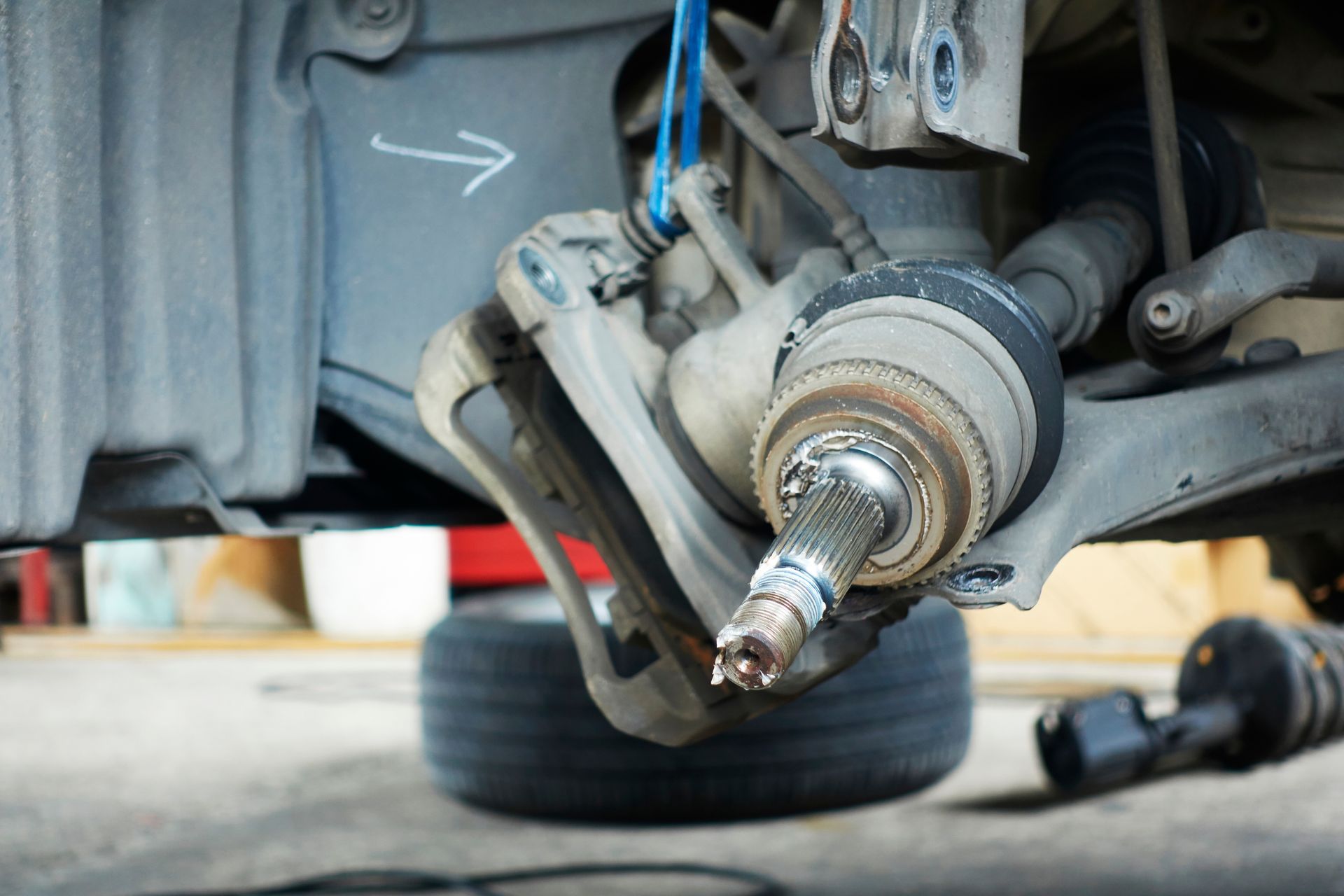
Four-wheel drive gives a Jeep more confidence in low-traction conditions, but it also adds parts that need care. Transfer cases, differentials, driveshafts, U-joints, CV axles, and fluids all play a role. If these parts are ignored, drivers may notice binding, vibration, leaks, noises, or trouble shifting between drive modes.
Suspension Feel Is Part Of The Jeep Character
A Jeep suspension is designed to handle more than flat pavement. That can make the ride feel different from SUVs built mostly for city and highway driving. Some Jeep models feel firm, some feel more flexible, and some feel more truck-like, depending on the suspension setup and tires.
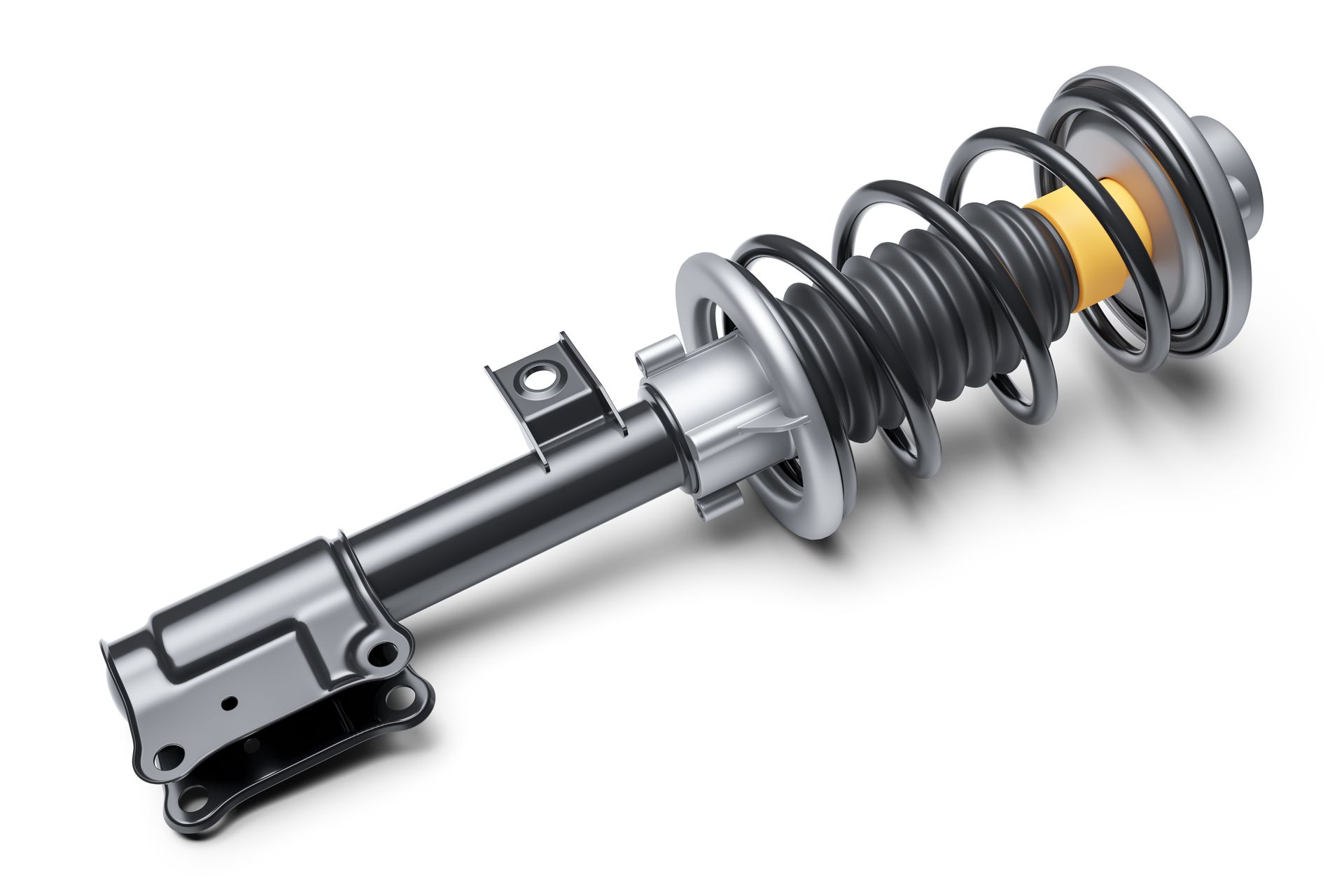
That suspension character can be a strength off-road, but it also means wear should be watched carefully. Control arms, shocks, struts, springs, sway bar links, bushings, ball joints, and steering parts all affect how the Jeep tracks and handles. Clunks, wandering, uneven tire wear, or a loose front-end feel should not be written off as normal Jeep behavior.
Tires Make A Big Difference
Tires can completely change the way a Jeep feels. All-terrain or mud-terrain tires give better grip off pavement, but they can also add road noise, reduce fuel economy, and change steering feel. Highway tires are quieter and more comfortable, but they may not give the same confidence on loose surfaces.
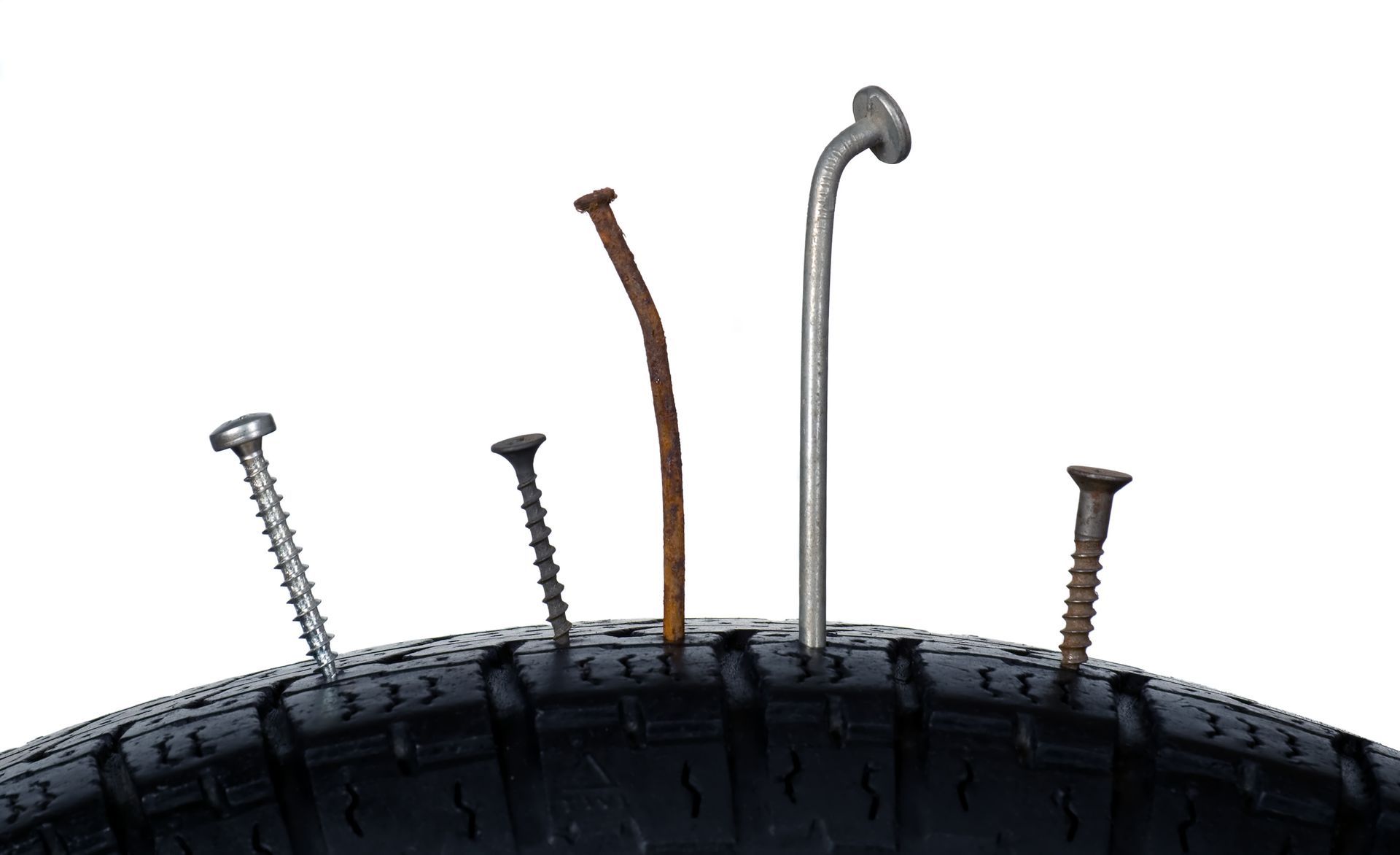
Tire size matters too. Larger tires can affect braking, acceleration, steering response, suspension wear, and speedometer accuracy if the vehicle is not set up correctly. Regular maintenance should include tire pressure checks, rotations, tread inspections, and alignment checks, especially if the Jeep sees rough roads or trail use.
Steering Can Feel Different From A Crossover
Some Jeeps, especially models built with more off-road hardware, can have steering that feels different from a typical SUV. The vehicle may feel more upright, more deliberate, or more sensitive to tire type and road surface. Drivers accustomed to smooth crossovers may notice that a Jeep communicates more through the steering wheel.
Still, there is a difference between Jeep character and actual steering trouble. Wandering, pulling, vibration, clunking, or a steering wheel that does not return correctly can point to worn parts, alignment issues, tire problems, or suspension looseness. An inspection can help separate a normal feel from a repair need.
Off-Road Use Adds Wear In Different Places
Even light off-road use can expose parts to dirt, water, rocks, impacts, and extra suspension movement. That does not mean Jeeps should stay on pavement. It means they should be checked with their use in mind.
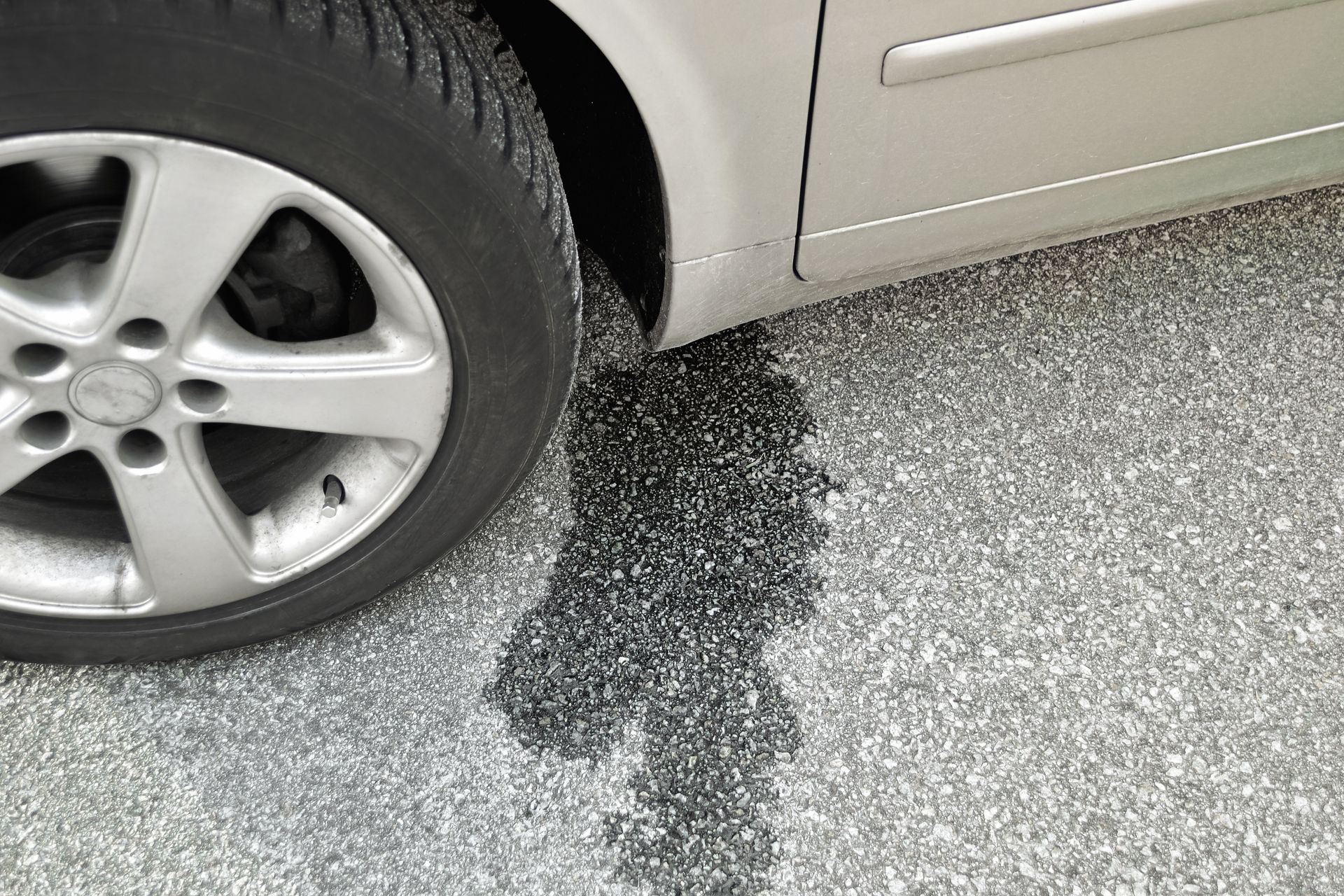
After trail driving, beach driving, or rough-road use, it is smart to look for leaks, bent parts, torn boots, loose hardware, tire damage, brake debris, and underbody impact marks. Fluids can also need closer attention if the vehicle has been through water or heavy dust. A Jeep that gets used for adventure needs service habits that match that use.
Get Jeep Service In Fort Lauderdale, FL, With Layton's Garage
If your Jeep feels loose, noisy, uneven, or due for service after daily driving or off-road use, Layton's Garage in Fort Lauderdale, FL, can check the suspension, steering, tires, brakes, drivetrain, and fluids.
To keep your Jeep ready for the way you drive it, contact us to schedule an appointment.