You move from one car to a European model and notice the steering, road feel, and even the way the transmission responds are different. Look under the hood and the layout seems tighter, too. Those differences reflect design priorities, packaging choices, and layers of electronic control rather than one simple feature that all European cars share.
Understanding those choices helps explain why maintenance procedures vary so much.
European Car Suspension Geometry and Handling Design
European manufacturers often spend considerable effort balancing steering response, ride comfort, and high-speed stability. Multi-link suspension designs, carefully selected bushings, and model-specific damping systems help engineers choose how the wheels move as the car turns or crosses rough pavement. Sport models use firmer components, while luxury versions favor more isolation.
The result is a wide range of ride characteristics, not one European feel. A performance hatchback may respond sharply to small steering movements, while a touring sedan is built to remain composed on a long motorway drive. As suspension parts age, worn bushings, ball joints, and mounts change the original behavior. We compare the symptom with how that model was designed to feel, rather than calling every firm ride a problem.
European Engine Layout and Repair Access
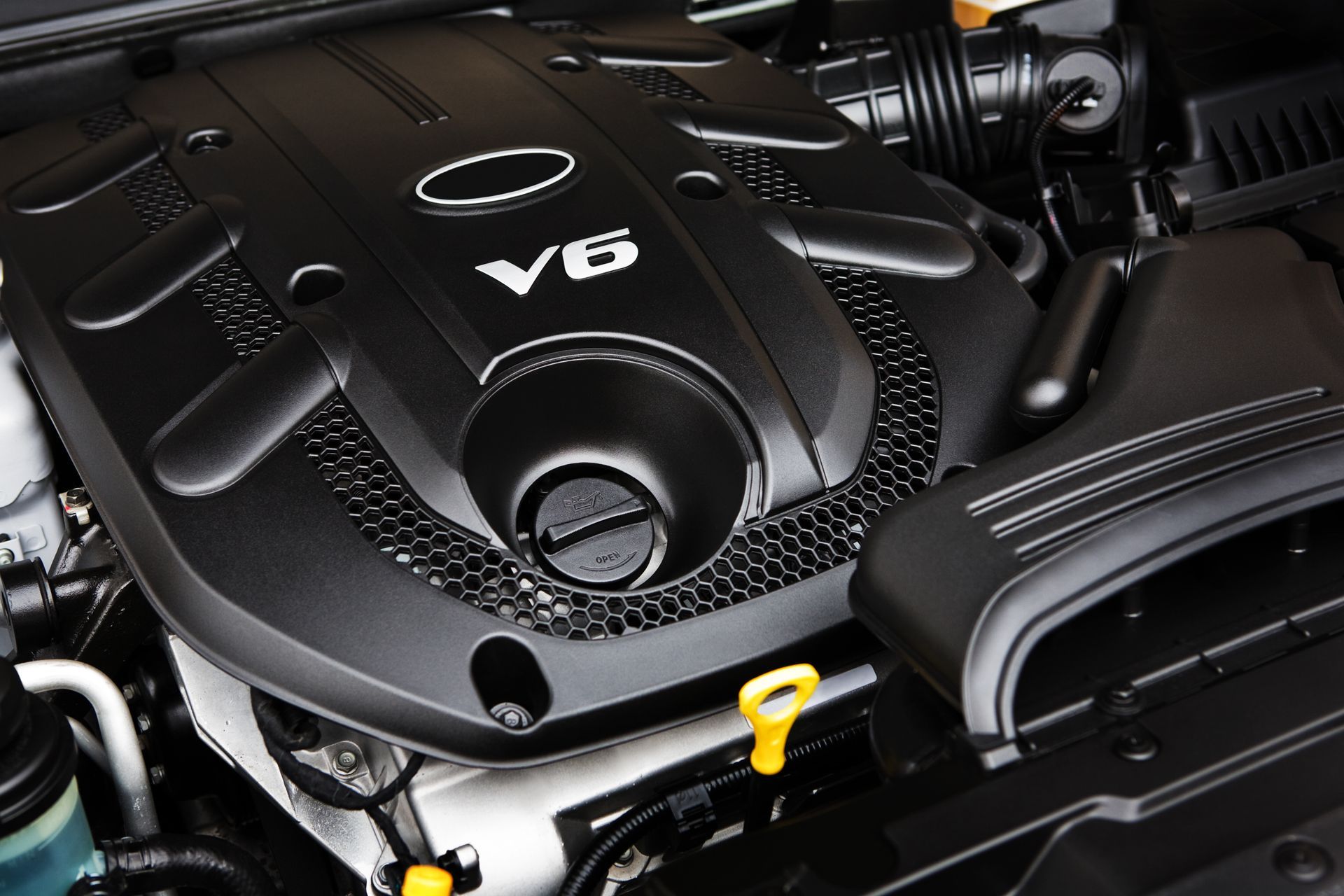
Turbochargers, direct injection, compact engine bays, and complex cooling arrangements are common across many modern European models, although they aren't unique to Europe. Engineers sometimes package equipment tightly to meet performance, space, emissions, and safety goals. That arrangement makes a simple-looking repair require removal of surrounding covers, intake ducts, or other components.
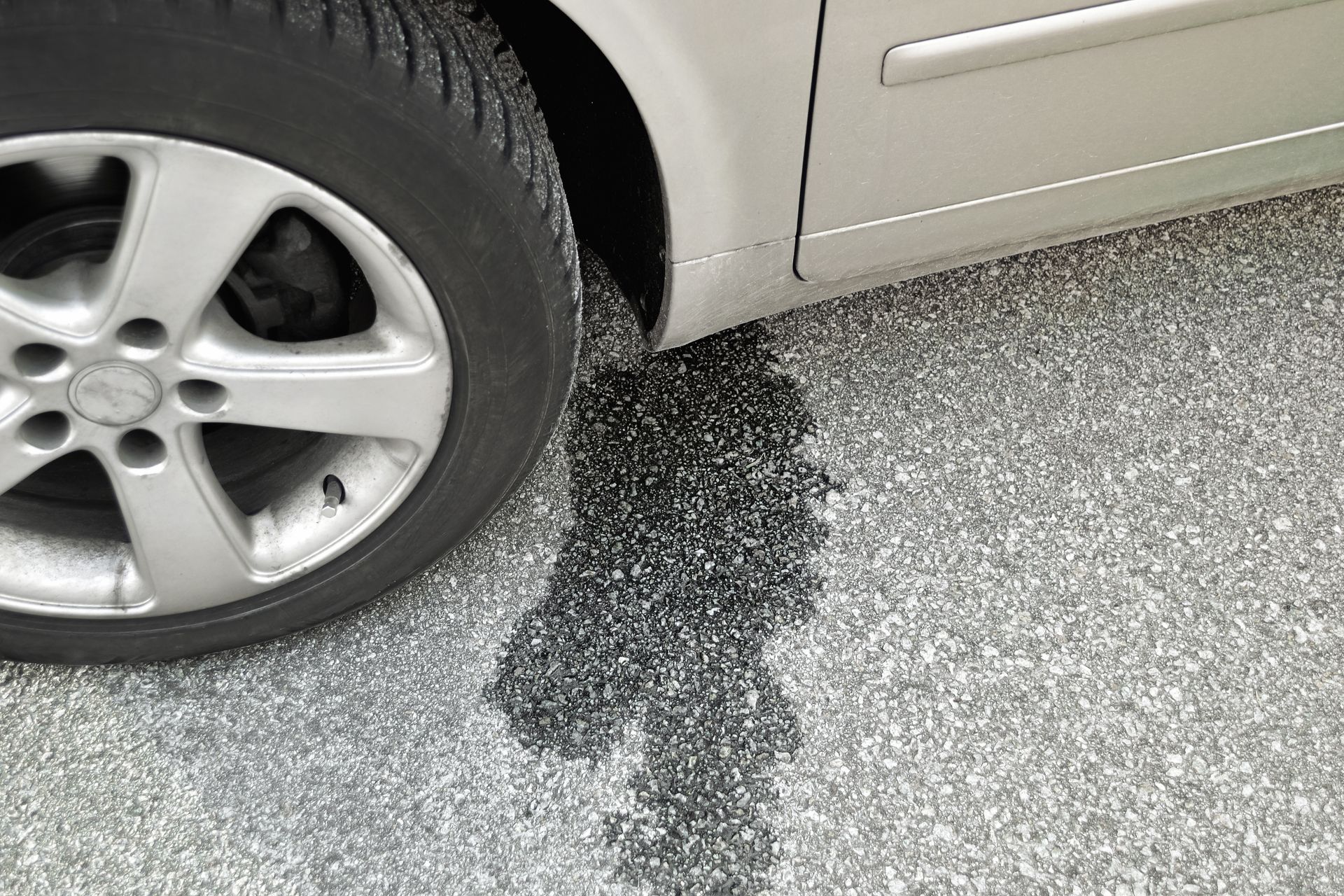
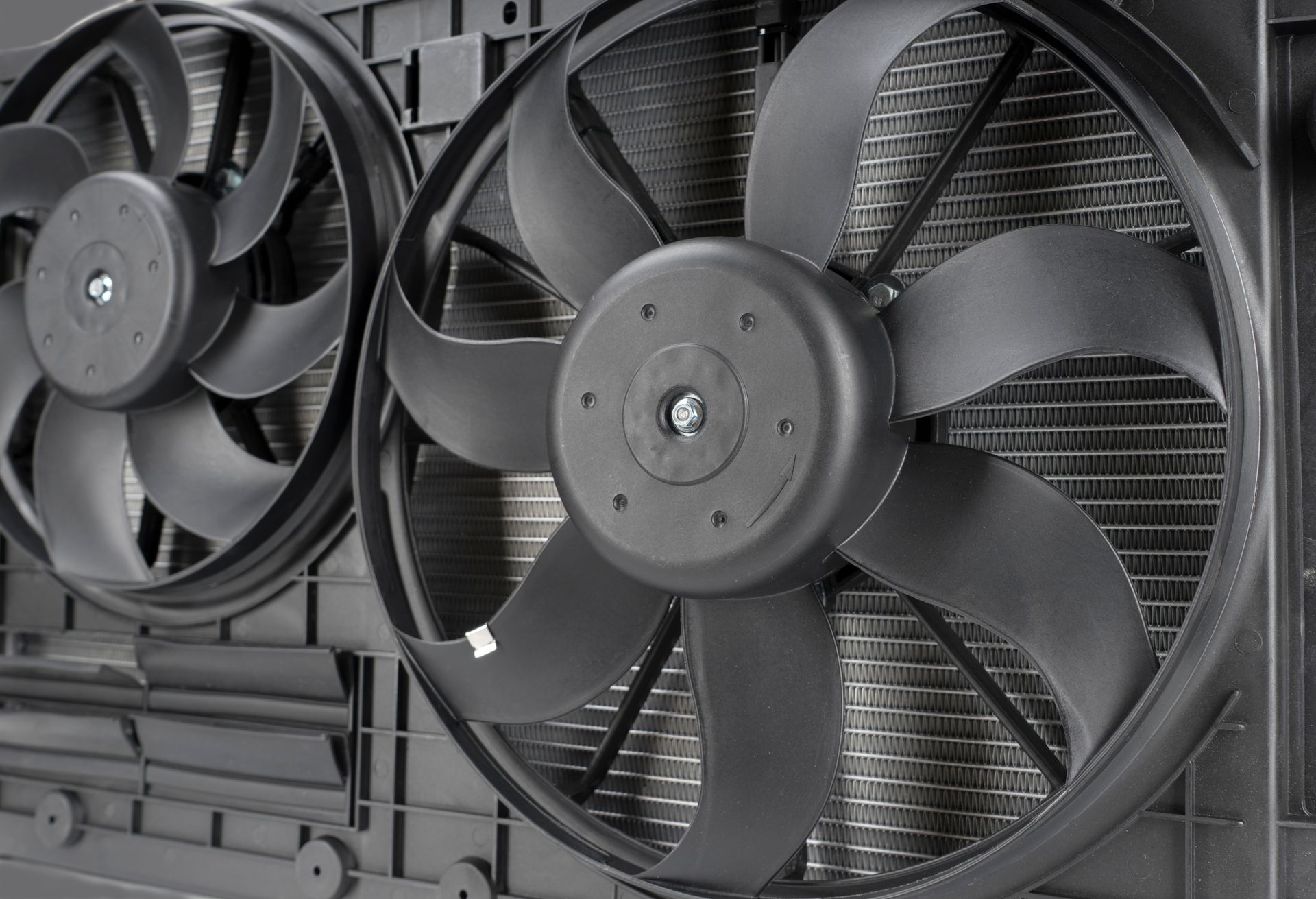
Some engines position the turbocharger near the cylinder head to enhance both response time and emissions performance. Additionally, some systems employ multiple coolant circuits or electronically controlled thermostats to regulate temperature under various conditions. While these engineering choices can be beneficial when functioning properly, they also make precise repair procedures crucial. For instance, a coolant leak in one vehicle may stem from a simple hose, whereas another vehicle might require dealing with a more complex plastic housing assembly in the same location.
European Transmission Design and Driving Response
European vehicles include conventional automatic transmissions, dual-clutch units, manuals, and other designs depending on the model. A dual-clutch transmission sometimes shifts quickly by preparing the next gear through its clutch arrangement. A traditional automatic uses a different combination of clutches and hydraulic controls.
Their maintenance needs aren't interchangeable. Fluid type, service interval, filter design, and fill procedure can vary considerably. A transmission that uses a specific oil and temperature-controlled level check shouldn't receive a generic fluid change. Transmission behavior reflects software calibration as well as hardware. A firm shift that is normal for one sport-oriented model is a warning sign on a vehicle that previously shifted differently.
Electronic Control Modules and Vehicle Diagnostics
Modern cars everywhere rely on electronics, but many European vehicles integrate a large number of control units and specific diagnostic functions. Engine management, body controls, braking, lighting, transmission, suspension, and infotainment systems share data through vehicle networks. A low-voltage event can trigger warnings in several systems without each one having a separate mechanical failure.
That makes diagnostic equipment and technical information especially useful. A general engine code reader may miss a relevant fault stored in a steering or suspension module. We look at electrical supply, communication faults, live data, and the conditions that triggered the warning. Replacing the component named in a code description without testing its circuit is often costly, especially when the actual issue is wiring or a weak connection.
Advanced Suspension, Braking, and Driver-Assistance Systems
Some European models have air suspension, adaptive dampers, electronically controlled differential units, brake service modes, and driver-assistance features that require specific procedures. On certain vehicles, replacing a battery involves telling the management system about the new unit. A suspension or steering repair can call for alignment and sensor calibration afterward.
Not every vehicle has those systems. The relevant question is which features are installed on the particular car and what the manufacturer requires after repair. We use model-specific information rather than treating every European brand as equally complex. A basic oil change can remain straightforward, while a repair involving a radar sensor or electronic parking brake sometimes requires additional diagnostic steps.
Correct European Auto Parts and Fluid Specifications
Manufacturers specify engine oil approvals, coolant chemistry, transmission lubricants, and components intended for particular operating conditions. Two parts that look alike often have different internal specifications. Even an oil with the correct viscosity isn't necessarily approved for a given engine or its emissions equipment.
This is where careful parts selection makes a difference. We verify the model and engine, confirm required specifications, and inspect related components when they share the same wear conditions. A correct repair is not always about buying the most expensive part. It's about using something that meets the design requirements and installing it according to the proper procedure.
When repairing a European vehicle, matching the application means checking:
- The engine and transmission variant
- The part number and equipment level
- Manufacturer fluid approvals
- Relevant software or calibration procedures
- Previous repairs and stored fault history
The correct part on one model is not automatically correct for a similar-looking model.
Why European Auto Repair Still Needs Basic Mechanical Tests
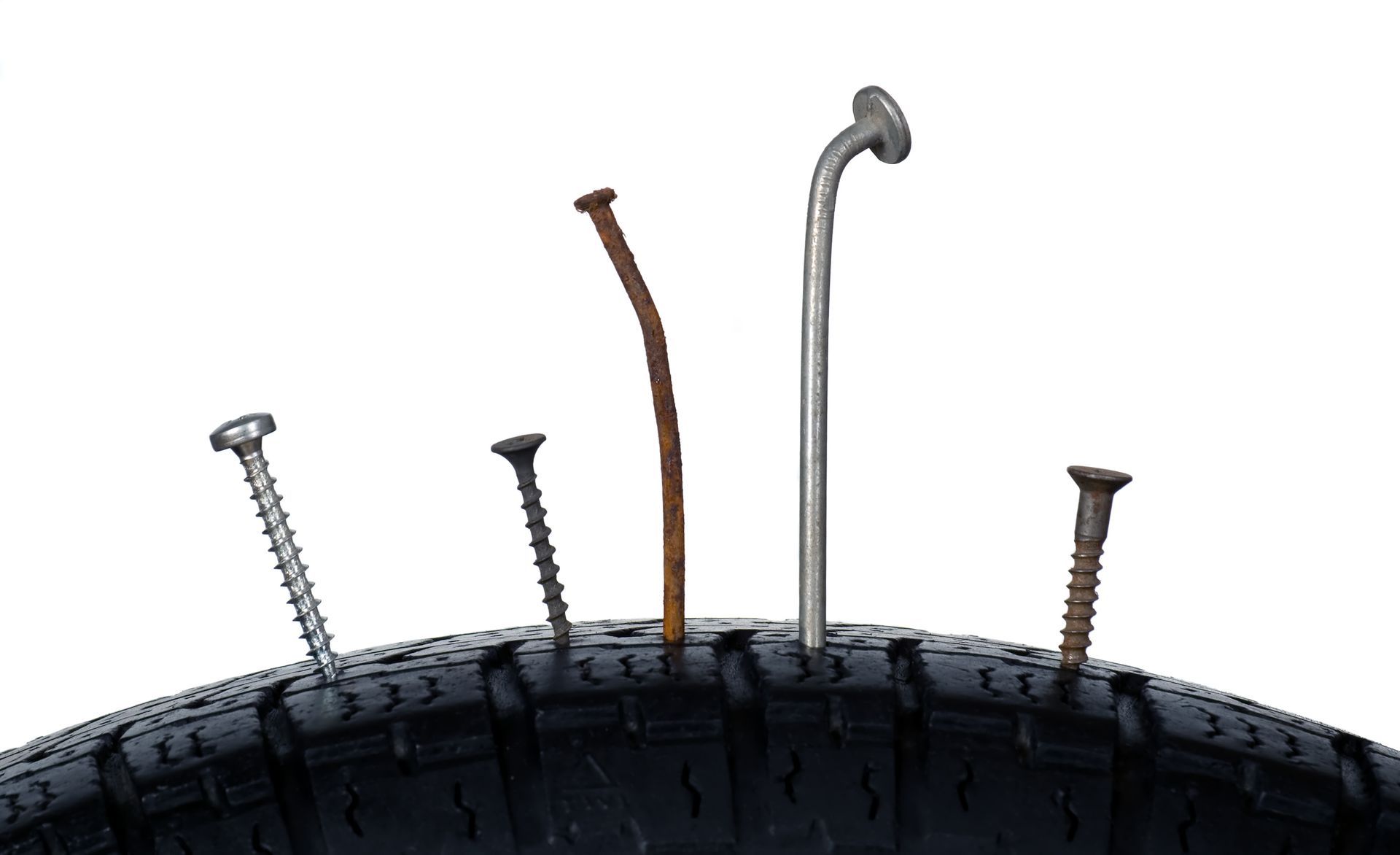
It's easy to focus on software and complex systems, but a European car still depends on good tires, a healthy battery, working brakes, clean oil, and an effective cooling system. A vibration comes from a damaged tire rather than an advanced drivetrain fault. A warning light may begin with a loose connection instead of a control module.
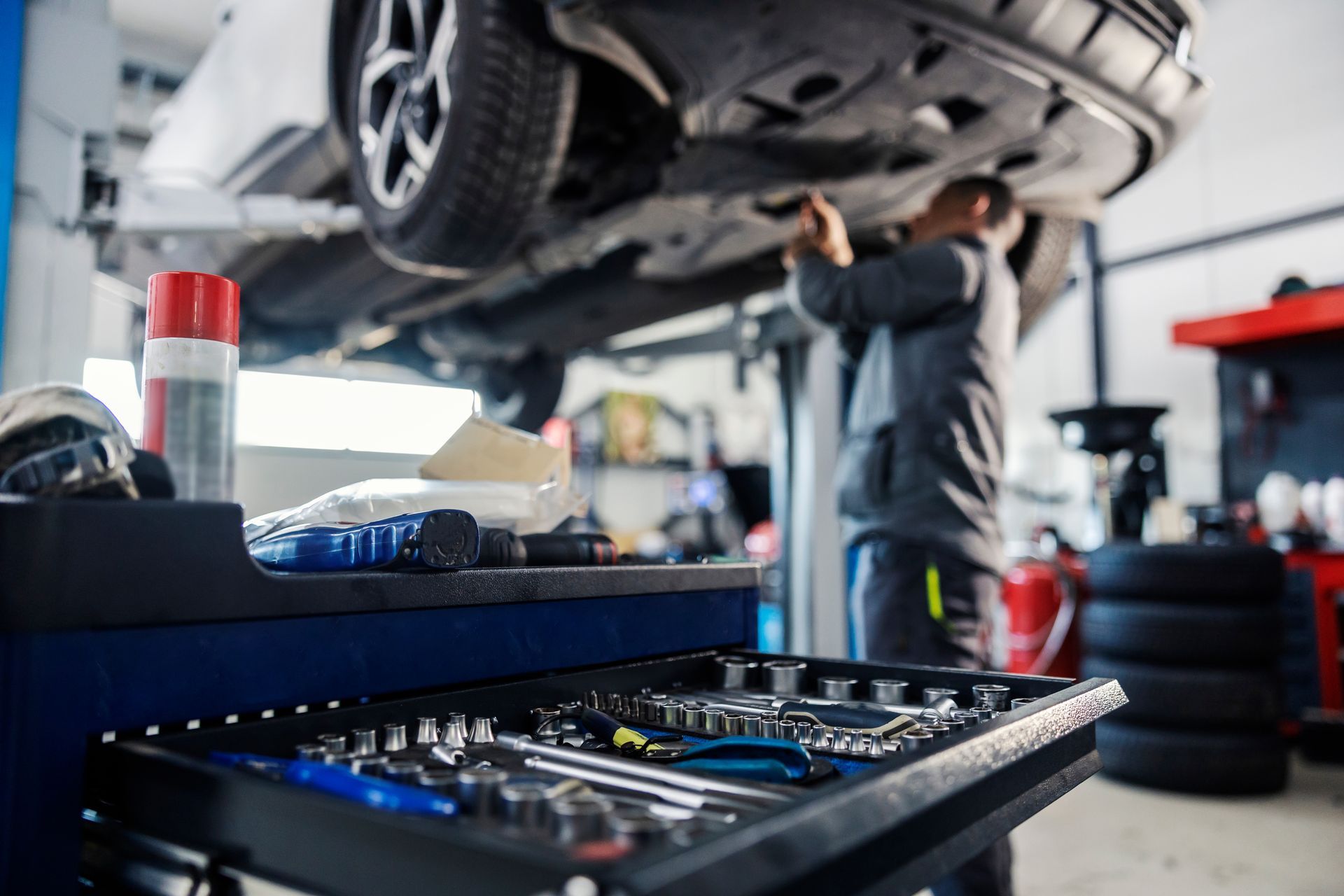
We start with the customer's actual symptoms and work toward the evidence. That means road testing when appropriate, inspecting physical wear, checking service history, and using diagnostic data where it adds value. Understanding the engineering differences helps keep the repair accurate without turning every routine maintenance visit into a major project.
Get European Auto Repair in Fort Lauderdale, FL, With Layton's Garage
Layton's Garage in Fort Lauderdale, FL, handles European auto repair with attention to suspension design, engine layout, electronic systems, and manufacturer service requirements.