Tires do the quiet, constant work of keeping you connected to the road. Regular rotation spreads that work across all four corners so tread wears evenly, road noise stays low, and wet grip remains predictable. Below, our technicians explain how often to rotate, why it matters, and the five clear signs that tell you it is time for replacement rather than another rotation.
How Often Should You Rotate Your Tires
For most daily drivers, a good rule is every 5,000 to 6,000 miles, or at every oil change if you are on a similar interval. If you drive mostly in city traffic, carry extra cargo, or take frequent highway trips to Miami and back, stick to the shorter end of that range. Time matters too. If you drive very few miles, rotate at least every six months so tires do not develop uneven wear patterns from sitting in the same positions.
Why Tire Rotation Matters for Safety and Your Wallet
Front tires steer, carry engine weight on many vehicles, and take the brunt of braking. Left and right tires also wear differently because the roads' crown and drivers take more right turns than left. A steady rotation schedule evens out these differences. You get better wet braking, more consistent handling in sudden lane changes, and quieter rides. Even wear also means you can replace tires as a full set, which restores balanced traction and usually costs less per mile over the life of the tires.
Rotation Patterns for FWD, RWD, and AWD
Front Wheel Drive vehicles typically move the front tires straight back and cross the rear tires to the front. Rear wheel drive often does the opposite. All Wheel Drive is more sensitive to tread depth differences, so we recommend strict 10,000-mile rotations to keep all four tires within a safe range. Directional and staggered setups follow different rules. We select the correct pattern for your wheel and tire combination to ensure even tire wear and optimal vehicle stability.
1. Low Tread Depth
Below about 4/32 inch, wet stopping distances increase quickly, and hydroplaning risk climbs. At 2/32 inch, a tire is legally worn out. If your gauge reads low or the wear bars are flush with the surrounding tread blocks, it is time to replace them. In Fort Lauderdale’s sudden downpours, extra wet grip is not a luxury, it is safety.
2. Uneven Wear Patterns
Feathering across the tread, cupping that looks like scoops, or a single shoulder worn smooth points to alignment, suspension, or balance issues. Rotation will not fix damage that is already done. Replacing the tire and correcting the underlying cause keeps the fresh set from following the same path.
3. Sidewall Damage or Bulges
Cuts, deep scuffs that expose fabric, or a bubble in the sidewall are not repairable. The sidewall carries the load, and damage there weakens the structure. If you feel a thump at low speed after a pothole hit, or you see a bruise on the sidewall, plan on replacement to avoid a sudden failure at highway speed.
4. Age and Weather Cracking
Rubber hardens with time and heat. Even with plenty of tread, tires more than six years old can show small cracks in the sidewall or between tread blocks. Cracking reduces flexibility, which hurts grip on wet pavement and makes the tire more prone to noise and impact damage. We check date codes and condition during every visit and advise honestly when age, not mileage, is the concern.
5. Vibration, Noise, or Pull That Will Not Go Away
A shake in the wheel, a droning growl that rises with speed, or a pull that remains after an alignment can signal internal tire problems. Broken belts and separated tread layers are uncommon, but when they happen, the fix is replacement. Driving on a compromised tire risks rapid deterioration and uneven wear on the other three.
Simple Checks You Can Do at Home
- Measure tread with a gauge in three spots across the tire.
- Set pressures to the door label in the morning when tires are cold.
- Inspect sidewalls for cuts, bubbles, or fine cracking.
- Run your palm lightly over the tread to feel for feathering or cupping.
- Note any new vibration or pull and when it happens.
These notes help our technician zero in on what your tires need.
What We Inspect During a Rotation or Tire Check
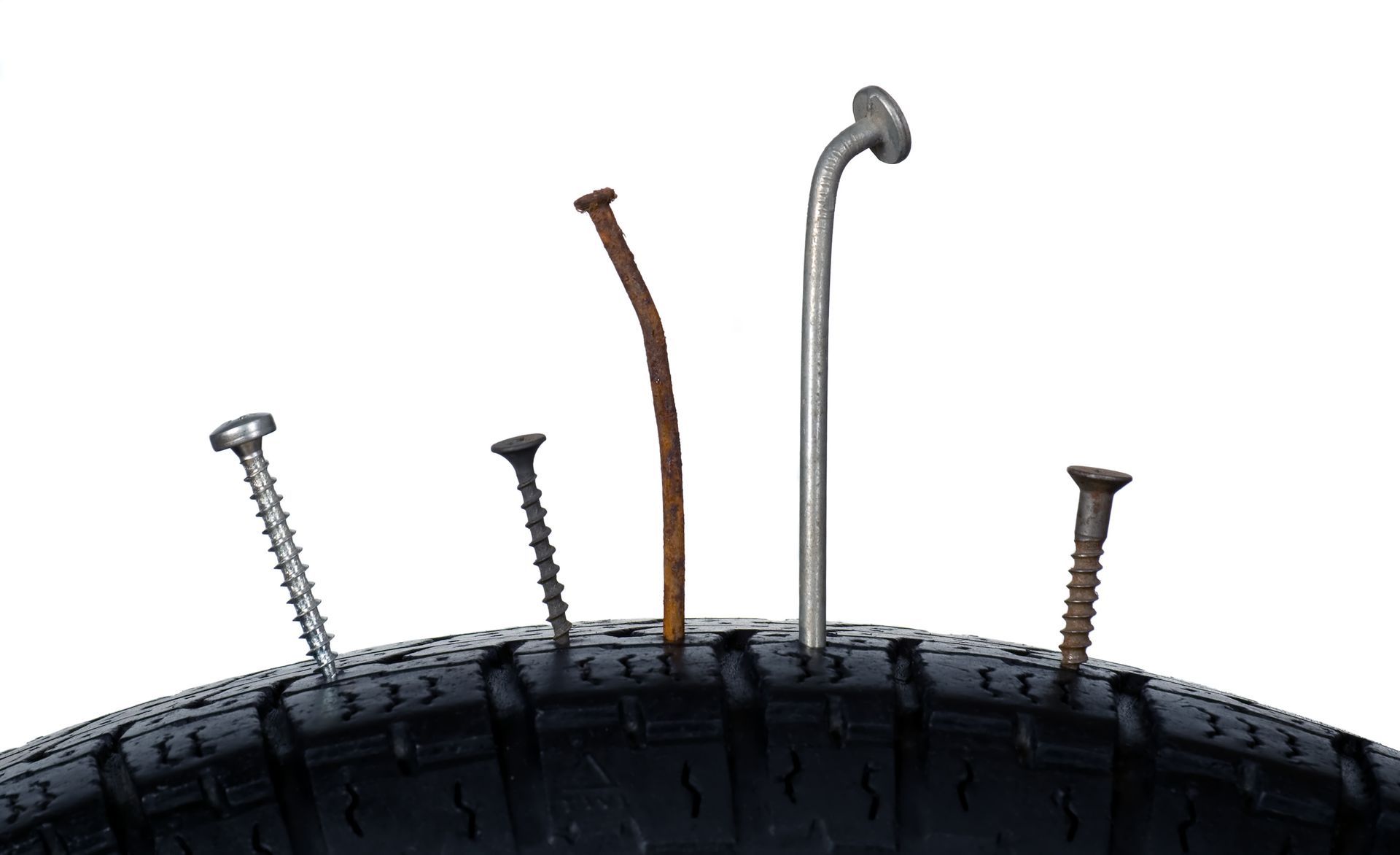
We start with tread depth and wear pattern readings at each wheel. Next, we check pressures, valve stems, and caps, then look for nails or punctures in the repairable zone. Balancing is verified if you report vibration. We also inspect suspension components and alignment angles, because healthy geometry is what keeps a fresh rotation wearing evenly. If replacement is needed, we match tire choice to your driving, from quiet touring options to tires that handle heavy rain confidently on I-95.
Keep Tires Wearing Evenly with Layton’s Garage in Fort Lauderdale, FL
If you are due for a rotation or notice any of the five signs above, we are ready to help. Our team will rotate with the correct pattern, set and record pressures, measure tread, check alignment and balance, and give you a clear plan for replacement when the time is right.
Schedule a visit with
Layton’s Garage in Fort Lauderdale, FL, and we will keep your ride quiet, your stops short, and your tires working together in every season.